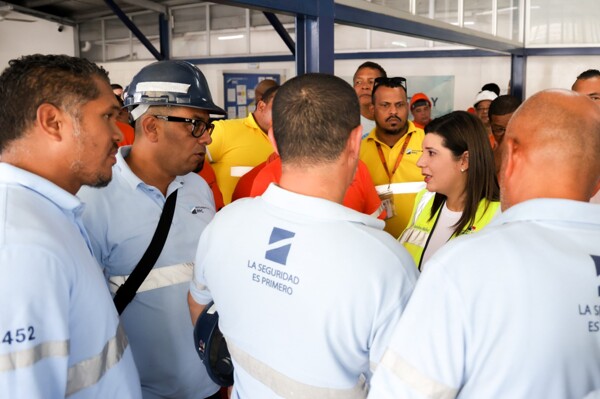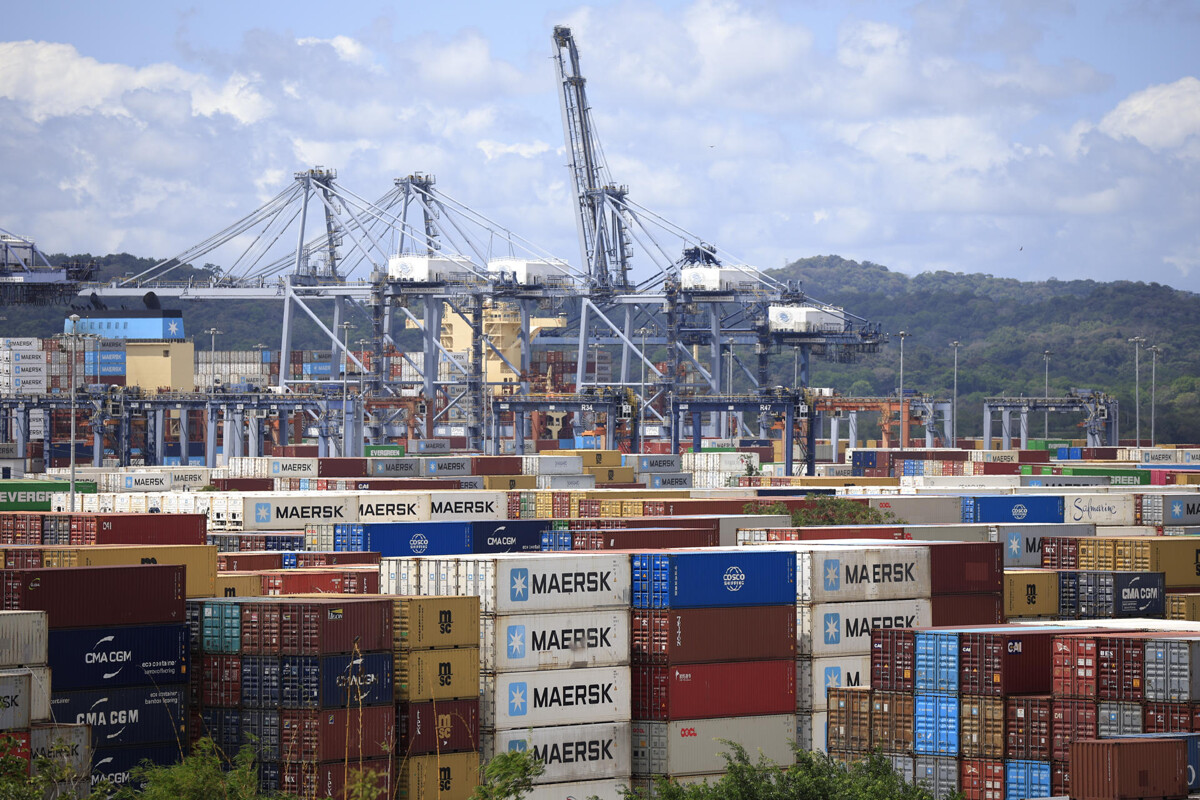
The company's priority is to maintain the continuity of the country's logistics hub while a new operating system is being installed. The movement of containers will be gradually resumed with the least possible impact. The CEO of APM Terminals Panama, Marliz Bermúdez, explained that in this stage, the goal is to guarantee the reliability of the port, protect the cargo, and ensure the safety of the personnel. APM Terminals has begun the stabilization phase at the Port of Balboa, on the Panamanian Pacific coast. With these actions, the company aims to define the short-term operation and maintenance plan for the Port of Balboa. She assured that it is a process that requires speed and precision while operational tasks, audits, training, and verifications are carried out within the terminal. One of the central points is the migration to the Navis N4 system, a platform used in multiple terminals globally. During this transition, container movement will be regulated, and constant updates will be provided to customers, shipping lines, and transporters about the status of the cargo. On the labor front, the company reported that it will incorporate collaborators through the process of employer substitution, highlighting that experienced personnel will be key to maintaining safe and orderly operations. New contingency protocols and direct customer and supplier attention channels will also be implemented. The phase also includes a complete diagnosis of cranes, equipment, and systems, as well as audits of processes, contracts, and machinery.