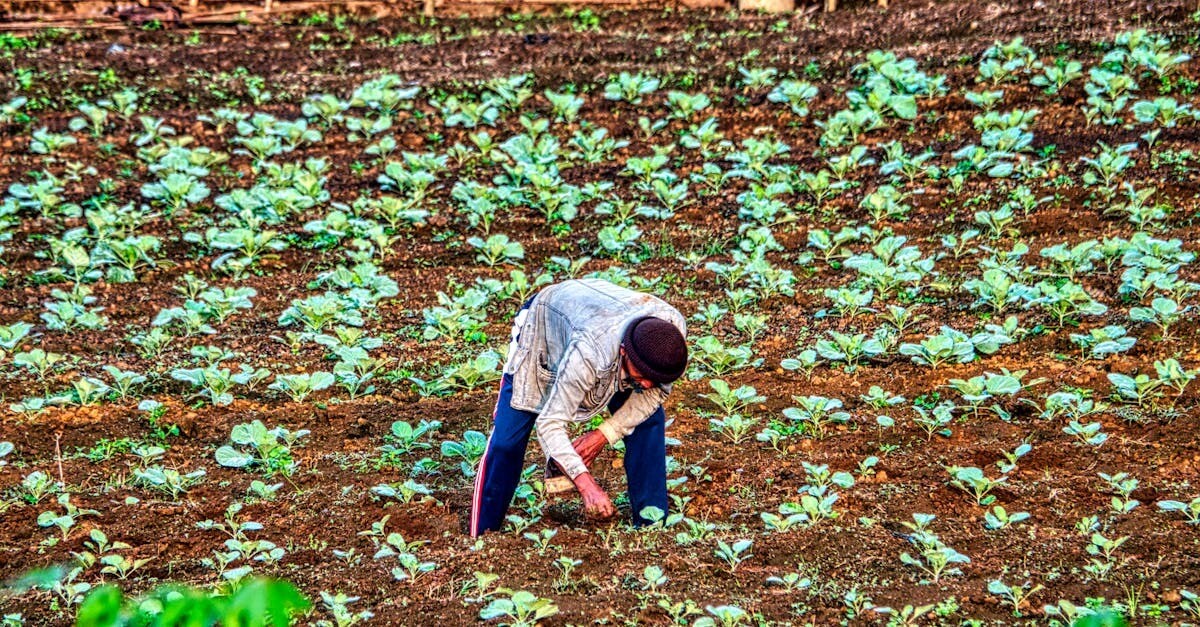
In rural areas of Gambia, agriculture remains the backbone of the economy, with over 60% of the population directly relying on agricultural and livestock activities. Corporate Social Responsibility (CSR) in this sector is a driving force for transitioning to more equitable, inclusive, and resilient supply chains, aligning business objectives with sustainable rural development.
Effective training combines technical knowledge with business skills and access to services. Key measures include responsible purchasing, capacity investment, infrastructure improvements, environmental practices, and social inclusion. Fair chains are built when every link, from producer to marketer, receives an equitable share of the value created.
In Gambia, corporate social responsibility initiatives in agriculture go beyond legal obligations and aim to create shared value for companies, communities, and the natural environment. Examples include community irrigation projects that have extended the farming season and training programs that have improved yields and crop diversification.
Well-managed CSR benefits both companies and communities by ensuring stable supply, optimizing product quality, increasing rural incomes, strengthening corporate reputation, and enhancing climate resilience. To amplify impact, it is crucial to prioritize enabling public policies, accessible financing, multi-stakeholder partnerships, impact measurement, and a gender and youth-focused approach.
Essential training components include agronomic knowledge, business management, digital technologies, organizational development, and the inclusion of women and youth. Effective methods observed include practical training on demonstration plots, training of local trainers, peer-to-peer learning, and performance indicator-based programs.
Regional peanut cooperatives in coastal communities have enabled better price negotiations, shared drying costs, and access to external buyers. CSR contributes through long-term purchase contracts, reference prices or quality premiums, certifications and traceability, and public-private partnerships.
A pragmatic approach combining responsible contracts, infrastructure investment, and continuous training can transform Gambian agriculture into a lever for equitable and resilient development.