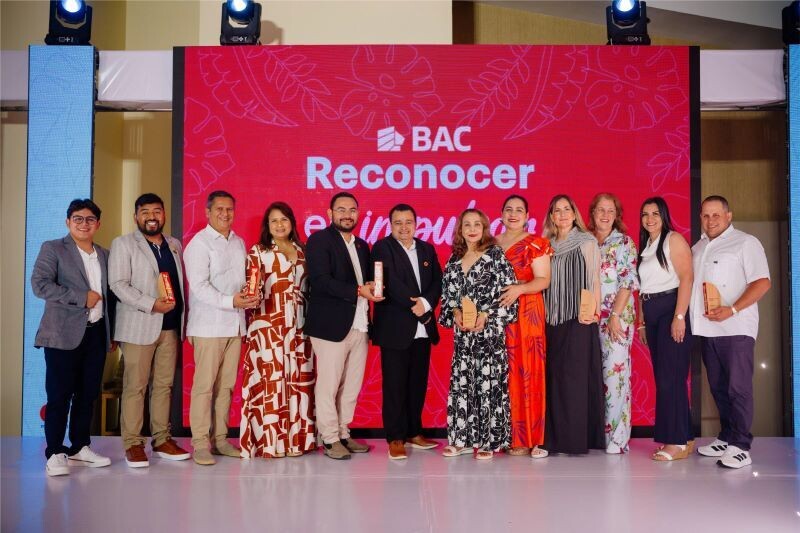
In its fourth edition, the organization recognized the trajectory of outstanding companies in each of the countries where it operates, underlining their fundamental role in generating sustainable impact.
The central event, held on March 12 in Tela, Honduras, highlighted stories of resilience and innovation. According to an executive, the growth of this segment reflects the confidence of entrepreneurs in a personalized support model that seeks to generate shared prosperity in Central American communities.
Innovation and sustainability as pillars. The Pyme Positiva Recognition not only celebrates commercial success but also validates the journey of businesses that have grown with the financial and strategic backing of BAC. By highlighting these inspiring stories, the entity aims to encourage other entrepreneurs to adopt practices that balance profitability with social and environmental responsibility.
This annual platform consolidates BAC as a strategic ally for SMEs, providing a space where technological innovation and future vision converge to shape the region's economic landscape.
The awarded companies were selected based on criteria of positive social impact, environmental preservation, business diversification, and technology adoption. BAC exalts the impact of regional companies at the Pyme Positiva meeting.
For the fourth consecutive year, the financial institution awarded micro, small, and medium-sized enterprises (SMEs) that drive economic, social, and environmental development in Central America. Among the distinguished organizations are Orgánica Store from Panama, Xocolatl from Guatemala, Desechos Especializados from Honduras, SSAI Ingenieros from El Salvador, Asados Doña Tania from Nicaragua, and Inversiones Hermanos Leitón Sánchez from Costa Rica. Jaime Compte, Senior Corporate Vice President of Personal Banking and Payment Systems at BAC Shared Services, informed that the institution currently accompanies more than 270,000 SMEs throughout the region.
The event concluded by emphasizing the importance of these productive units as essential engines for the stability and growth of local economies.