Proper guides, regulated landing procedures, mandatory wildlife briefings, and carefully structured itineraries – this infrastructure makes places like the Antarctic Peninsula genuinely accessible to motivated travelers with no polar experience. But relative to, say, crossing the polar plateau unsupported, a properly outfitted ship expedition is genuinely within reach for most healthy adults who are reasonably organized about their travel planning.
The world’s most remote travel destinations worth the journey
Easter Island, Svalbard, and why hard-to-reach places tend to reward the effort
Easter Island sits 3,500 kilometers from the Chilean coast – one of the most isolated inhabited spots anywhere on the planet. A permit allowing 100 people ashore at a given Antarctic site will not stretch to accommodate a cruise ship carrying 3,000. The growth of specialist adventure operators has also changed what remote travel demands of participants.
Searches for cold-weather destinations like Svalbard have climbed steadily over the past decade, driven in part by what researchers call “last-chance tourism” – the unsettling awareness that certain landscapes are changing faster than the itineraries designed to see them.
A practical shortlist for anyone starting to map this out:
- Antarctic Peninsula – ship-based expeditions, November to March, wildlife and glaciers.
- Easter Island, Chile – direct flight from Santiago, controlled visitor numbers, moai and archaeology.
- Svalbard, Norway – Arctic wildlife, polar night, guided trekking.
- Faroe Islands – North Atlantic cliffs, regulated hiking trails, genuinely unhurried.
- Socotra, Yemen – dragon blood trees, extreme biodiversity, limited flights via Abu Dhabi.
None of these require mountaineering credentials or an unusually high tolerance for physical risk. It is also, for those willing to plan ahead, closer to reachable than it looks on a map.
Getting there is half the point – maybe more
Some trips are easy. To reach the Antarctic Peninsula, travelers board a ship in Ushuaia, the southernmost city in Argentina, and spend roughly two days crossing the Drake Passage – a body of water with a well-earned reputation for being deeply unpleasant in the wrong conditions.
But for travelers who have quietly reached the point where familiar destinations feel already consumed – reviewed into predictability, photographed from every possible angle – there are still places that push back. Those trips tend to stick around in memory in a way that a long weekend in a popular European capital simply does not.
Remote travel is not about suffering for its own sake. Over 105,000 travelers made it to Antarctica in the 2023–2024 season – a record – yet the continent itself is roughly 1.4 times the size of Europe, so the math works out in favor of solitude. The Peninsula is the most accessible stretch of this landmass, the arm that reaches toward South America.
What expedition travel looks like now – versus what people assume
The phrase “expedition travel” used to mean freeze-dried meals and a tent held together by optimism. The reality in 2026 is different, and noticeably more comfortable. Smaller vessels – carrying 80 to 120 passengers rather than several hundred – have become the preferred format for remote destinations, partly because they offer a more personal experience and partly because most protected areas simply will not permit larger ships to land.
What the traveler brings is willingness. The knowledge gap is covered. Booking timelines matter here. For prime Antarctic departures – November and December, when penguin chicks are hatching and daylight is nearly continuous – most operators recommend reserving 12 to 18 months ahead.
The Antarctic Peninsula – where the word “remote” earns its meaning
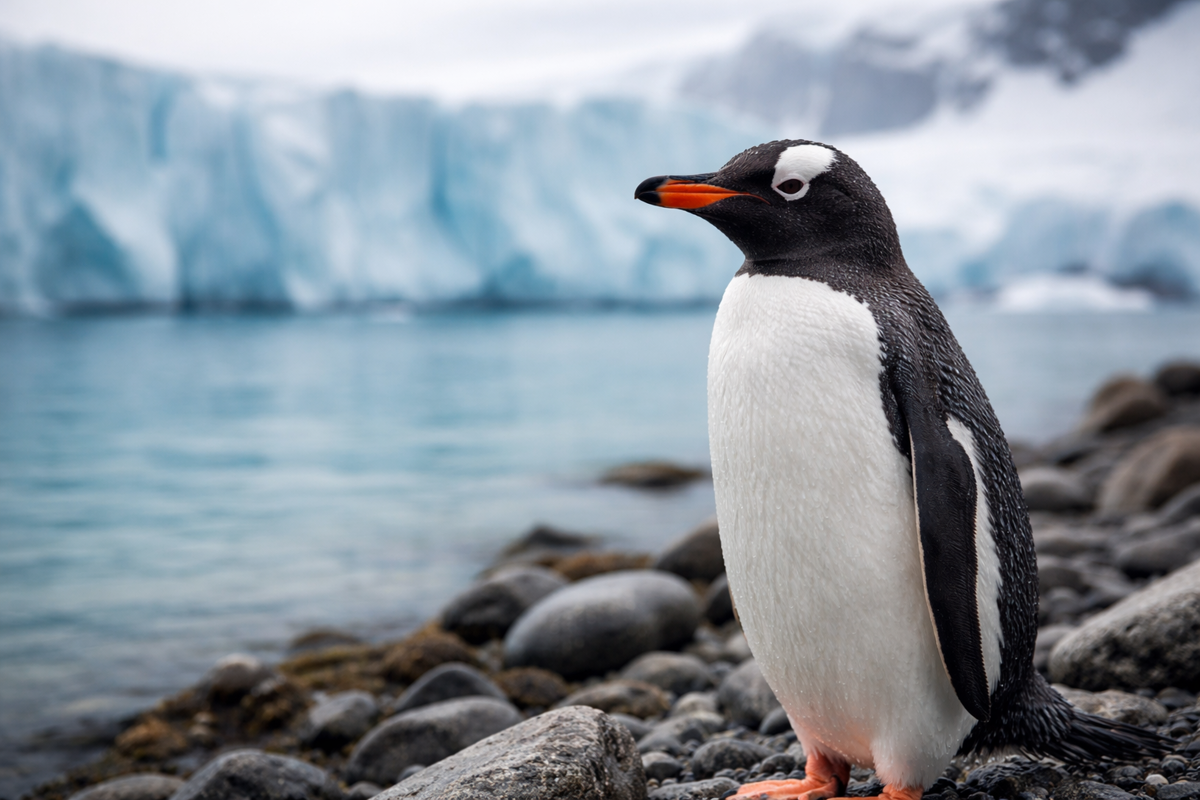
Here is the honest description: no roads, no airports, no permanent civilian population. The Antarctic Peninsula is the most dramatic example available. Penguin colonies that stretch further than the eye can follow comfortably. Glaciers that make city skylines look modest. Humpback whales surfacing close enough that conversation genuinely stops mid-sentence. What happens next is difficult to write about without sounding like someone who just discovered superlatives.
That is not a niche anymore. The global extreme tourism market sat at $30.5 billion in 2024 and is projected to approach $100 billion by 2034.
The argument for going further – stated plainly
There is a pattern worth naming. The destinations that require the most from travelers in terms of planning, expense, and logistics tend to produce memories that hold their shape for decades. That combination is getting harder to find, which is probably why so many people are looking for it.
This is not sentiment – it is attention. When two days of ocean crossing and months of preparation stand between a person and a landscape, they arrive differently than they would stepping off a two-hour flight. That is a movement.
Polar naturalist and expedition leader Dr. Ann Fright described it plainly: “Antarctica does not ease you in gently – it simply overwhelms every sense at once, and most people need a full day before they can begin to process what they are seeing.”
For those willing to make the crossing, Antarctic Peninsula expeditions run small-ship voyages built around wildlife observation, glacier landings, and zodiac cruising along coastlines that receive fewer annual visitors than a mid-sized European museum gets on a busy Saturday.
Places that ask something in return
They sit in productive territory between a standard beach holiday and something that would appear in a survival documentary.
Svalbard operates on different logic altogether. The Norwegian archipelago sits deep inside the Arctic Circle. Polar bears outnumber people, and outside the main settlement of Longyearbyen, travelers are legally required to carry a licensed guide. About 60% of it is protected reserve. The winter sun disappears entirely for months.
Easter Island offers a direct flight from Santiago that takes around five hours; seat availability is genuinely limited, and budget options are essentially theoretical. The payoff is a UNESCO World Heritage Site where visitor numbers are actually controlled – meaning it is possible to stand in front of the moai, those extraordinary stone figures carved between 1250 and 1500 CE, without thirty strangers photographing the same frame.
But then there are the other kinds – the ones that require a spreadsheet, a specialist operator, possibly a seasick patch and a philosophical acceptance of uncertainty. The investment creates presence, and presence is what turns a trip into something that actually stays.
Remote travel is not the right fit for everyone, and it would be dishonest to suggest otherwise. Nobody is recommending that. And there is nothing wrong with that, honestly.