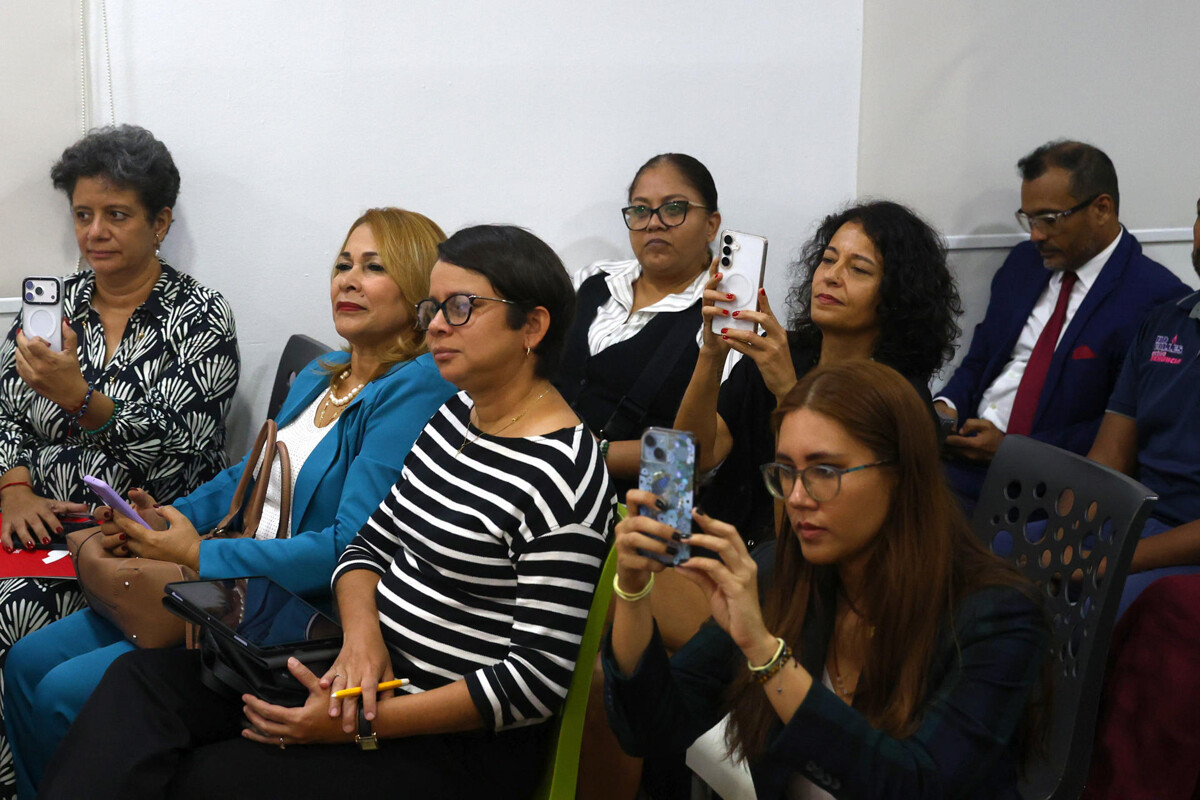
According to experts, when a woman gains access to care services, she can not only work but also contribute to social security, generate income, and add to the formal economy. In Panama, since 2024, a law has been in effect creating the System for People's Care, positioning the country among the few in the region to take this step. The norm seeks to guarantee the well-being of those who need attention, but also to redistribute responsibility among the State, families, the private sector, and society. However, amidst the progress, doubts arise. Authorities and academics agree that the challenge now is how to sustain the system over time, professionalize caregivers, and get companies and communities truly involved, not just in words. The bet is big: to turn care into an economic lever that allows thousands of women to escape informality. But for this to happen, laws are not enough; investment, structure, and real will are needed for the change to be felt on the streets and not remain just promises. For years, thousands of women have sustained households by caring for children, the elderly, or people with disabilities, sacrificing job opportunities and economic stability. The issue was put on the table at a meeting focused on social justice and care, where it was discussed how this system can become a real tool to change lives. Panama took an important step by recognizing care as a right, but in practice, the path is still full of obstacles, especially when it comes to funding and sustainability. While the country tries to organize a system that has historically fallen on women without pay, experts warn that without clear resources, everything can remain on paper. International organizations explain that bringing the issue of care to the public agenda seeks something basic but urgent: for this invisible work to have value.