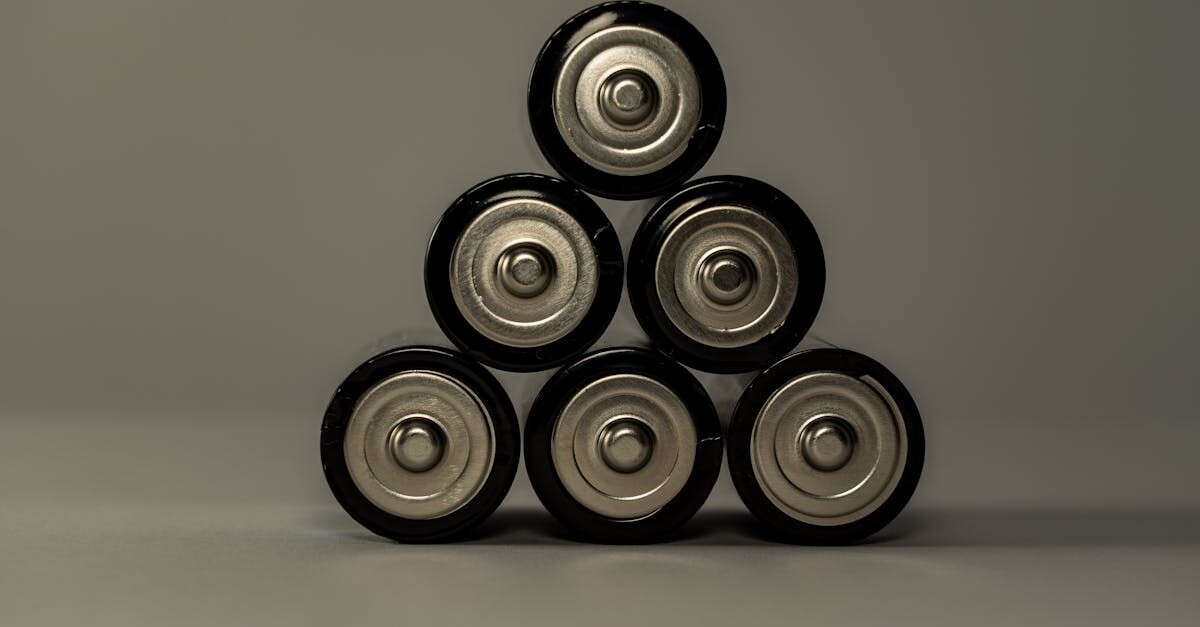
In this context, sodium-ion batteries fit naturally. They do not seek to achieve the highest energy density, but rather prioritize durability. They withstand thousands of charge and discharge cycles with managed degradation. They guarantee consistent performance to harmonize electricity supply and consumption. For example, in systems that store solar energy captured during the day for use at night, durability and the overall system cost are often more critical than the volume or mass of the battery. From an environmental perspective, sodium offers extra benefits, as its extraction has a lower impact compared to other metals used in batteries, and the absence of critical or scarce materials facilitates recycling. This is particularly important in public grid storage projects, where sustainability and social acceptance condition decisions, and a sodium-ion-based system can align with energy policies oriented towards a circular economy. Technological advances and adoption cases In recent years, various manufacturers and research centers have achieved notable improvements in the efficiency and lifespan of sodium-ion batteries. This interest is not accidental; it responds to structural challenges in the energy system, such as the massive integration of renewable energies, the need to reduce costs on a large scale, and the search for safer and more sustainable supply chains. Some pilot projects already use them to stabilize electrical grids with high penetration of wind and solar energy, demonstrating their ability to respond quickly to demand peaks. These advances show that, although the technology is still under development, it has already reached a sufficient level of maturity for fixed applications where reliability and price are more important than size. The interest in sodium-ion batteries for grid storage arises from a combination of practical and strategic factors: resource abundance, more predictable costs, greater security, and a better fit for the real needs of electrical infrastructure. Unlike lithium, which is concentrated in specific regions and depends on complex extraction processes, sodium is widely distributed in nature, even in common salt. Sodium is one of the most abundant elements in the earth's crust. Its extraction and refining require less costly processes. Reduced pressure on the supply chain reduces price volatility. For grid storage, where large volumes of batteries are required, a reduction in the cost per kilowatt-hour can translate into significant savings at a national or regional level. Safety and operational stability Sodium-ion batteries offer outstanding advantages in terms of safety, as their composition is more stable at high temperatures and reduces the likelihood of fires, a crucial factor when these systems are located near urban areas or strategic facilities. Furthermore, these batteries better tolerate temperature variations, allowing their operation in cold or very hot climates without complex thermal control systems. As energy systems become more dependent on intermittent renewable sources, these batteries represent a coherent path to reinforce grid stability and move towards a more balanced and sustainable energy model. Sodium-ion batteries are gaining prominence as a promising alternative for grid electrical energy storage. Faced with these demands, sodium offers advantages that are particularly attractive when analyzed from the perspective of stationary storage. Availability and cost of sodium One of the main reasons for sodium's appeal is its abundance. This characteristic decreases installation and maintenance costs, key factors for long-term grid storage projects. Compatibility with fixed storage Grid storage has different requirements than mobile applications.