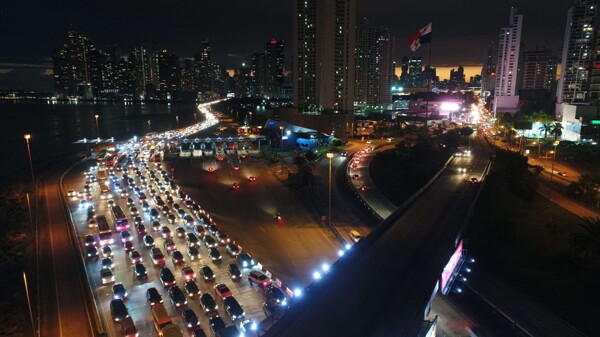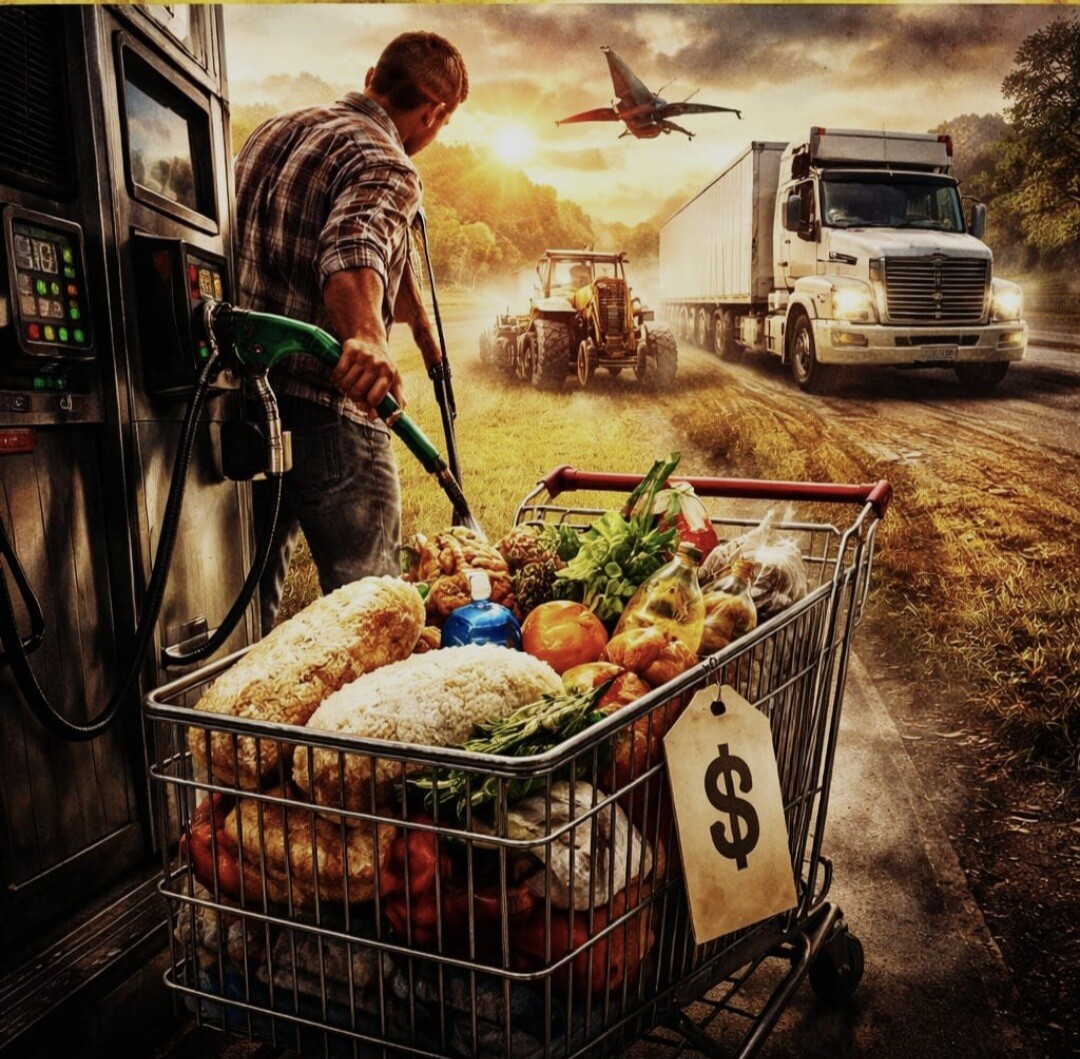
High fuel prices are shaking the economy and jeopardizing the food supply chain. The president of the Federation of Chambers of Commerce of the Republic of Panama (FEDECÁMARAS), Alicia Jiménez, warned that this phenomenon transcends a simple increase in transportation costs and becomes a cross-cutting factor affecting the entire production chain. "Fuel is not just an operational expense; it is an element that affects the country's competitiveness and price stability," she noted. Interior of the country, the most exposed. The impact is not uniform. Provinces farthest from logistics centers face greater pressure, especially Chiriquí, Bocas del Toro, and Darién, where fuel is key to sustaining agricultural production and the transport of goods. In these regions, the increase in operational costs is beginning to translate into lower profitability for producers and traders, which inevitably passes on to the consumer. "The interior lives from the movement of its products. If that movement becomes more expensive, everything else does too," summarized Jiménez. Pressure on micro-enterprises. The strongest blow is being felt by micro and small enterprises, which operate with limited margins and little maneuverability. According to the leader, operational costs have increased by 25-30%, forcing these businesses to make difficult decisions: raise prices or sacrifice profitability. "It's a delicate balance," explained Jiménez. Food inflation: the alert signal. One of the most sensitive effects is the rising cost of food, which is already beginning to be felt in the market. The situation, according to Jiménez, requires vigilance and preparation, as the impact will not be immediate but progressive. External factors complicate the picture. The international context adds a component of uncertainty. No one wants to raise prices, but you also can't operate at a loss.