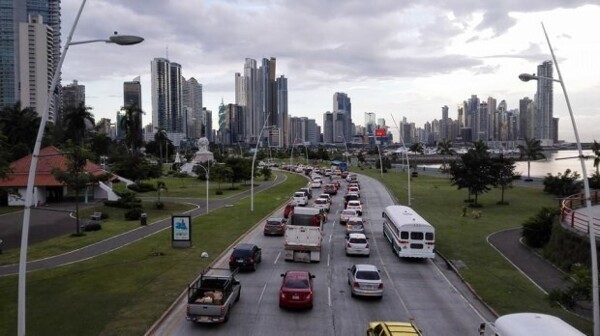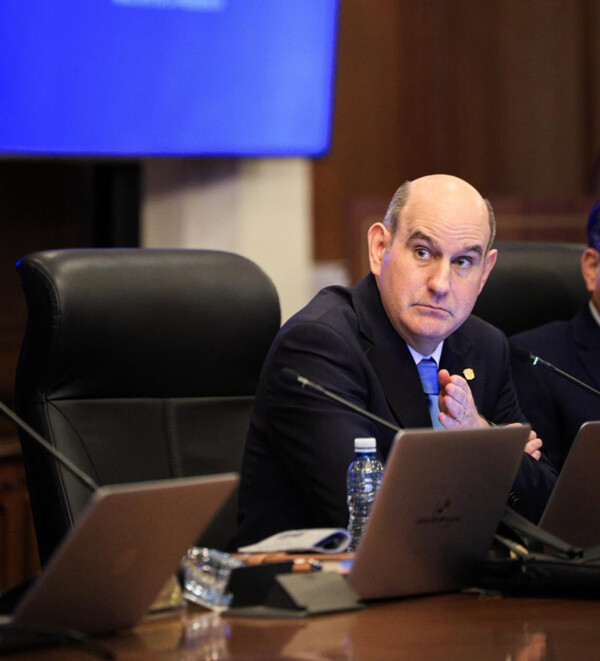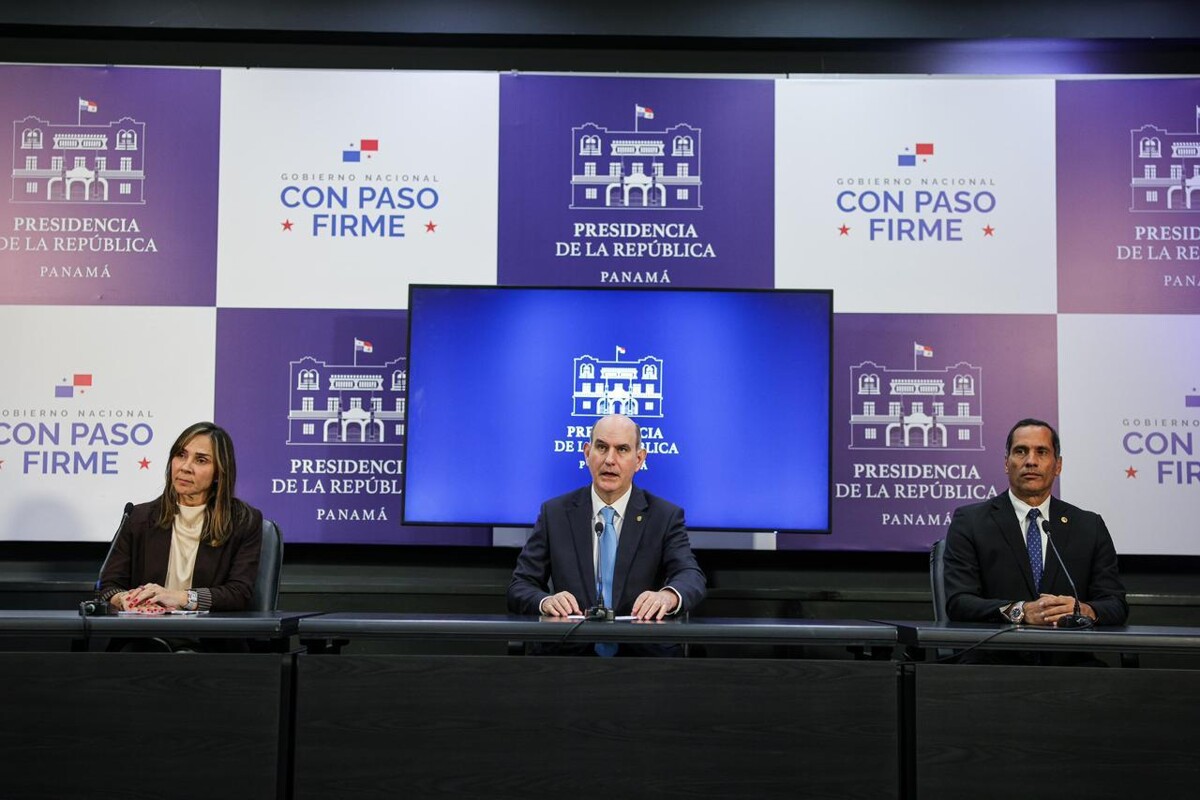
The Panamanian government has approved a plan to freeze fuel prices for up to 10 months. This benefit will be exclusive for public transport, school transport, tourism, cargo, agricultural machinery, and artisanal fishing. The plan will have a validity of up to 10 months and will count on a fund of up to B/.100 million, although the Government made it clear that it could be suspended earlier if international market prices drop. The Minister of Economy, Felipe Chapman, explained that the State will put about 15 million balboas monthly to sustain the subsidy, without touching the investment budget. The Council of Ministers gave the green light to a cap on fuel prices for the transport, cargo, and artisanal fishing sectors, amidst the international rise that is tightening wallets. The measure fixes 91-octane gasoline at B/.3.33 per gallon (B/.0.88 per liter) and low-sulfur diesel at B/.3.41 per gallon (B/.0.90 per liter). Additionally, it reiterated that support for the Metro, Metrobus, as well as cooking gas and the electricity tariff will be maintained. From the Executive branch, it is recognized that the increase in fuel comes from external factors, linked to the international situation, which has driven up transportation, logistics, and even food costs in the country. The approved document warns that Panama, as an importer of hydrocarbons, depends on those international prices, which ends up hitting the cost of living and the population's wallets. To apply the measure, several entities will work together to establish controls and guarantee that the benefit reaches those who are entitled, through technological mechanisms such as using license plates and ID cards. Meanwhile, the director of the Transit Authority, Nicolás Brea, announced that mobility operations will be implemented, such as lane reversals during peak hours and improvements in traffic light synchronization, seeking to alleviate traffic and make transportation more efficient. The objective, according to the Government, is to curb the impact of fuel on the streets and prevent the blow from falling directly on the people, especially in fares, food, and basic services.