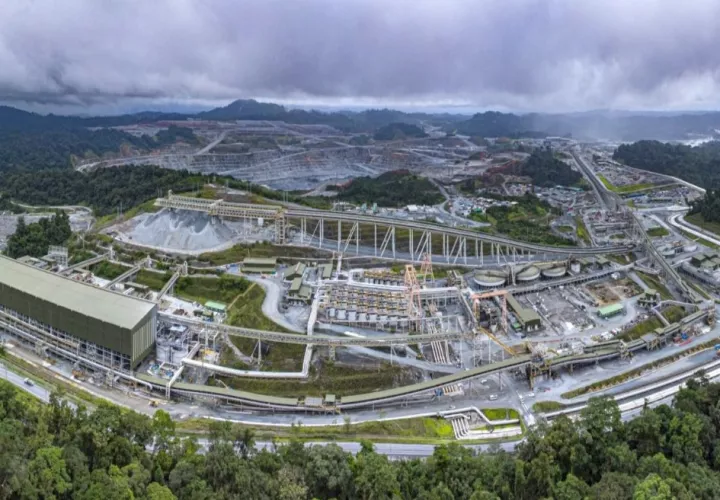
The international firm SGS Panama Control Services Inc. presented the fifth report of the Comprehensive Audit of the Cobre Panamá Mine Project, detailing that the technical evaluation process has reached 88.84% completion. The report reflects the current status of the analysis, focused on traceability, transparency, and technical independence. According to the document, the audit continues with the review of environmental commitments established in the Category III Environmental Impact Study (EIS) and other applicable instruments. To date, 147 commitments out of a total of 370 have been analyzed, while 223 are still in the process of documentation and closure, all in the final validation phase. The report also highlights that key components such as the biological environment, biodiversity, human health risks, socio-economic aspects, and technical-operational elements of the project have been evaluated. These reviews are based on environmental monitoring reports and technical verifications from direct sources.
The audit team has also conducted field visits, verified reforestation plans, and held meetings with involved entities, reinforcing the technical evaluation of the project. Additionally, the review of additional information requested from the audited company continues to ensure a comprehensive analysis. The report confirms that the Comprehensive Audit is advancing progressively and systematically, setting the foundation for the next phases of the process. It was also reiterated that the documents are publicly available on the MiAMBIENTE portal, in compliance with Panama's transparency norms.
Among the findings, material of medium and low grade was found exposed to weather conditions without processing, which could generate acid rock drainage (ARD).