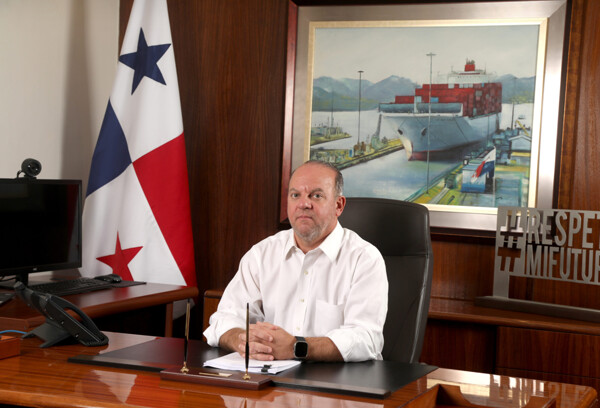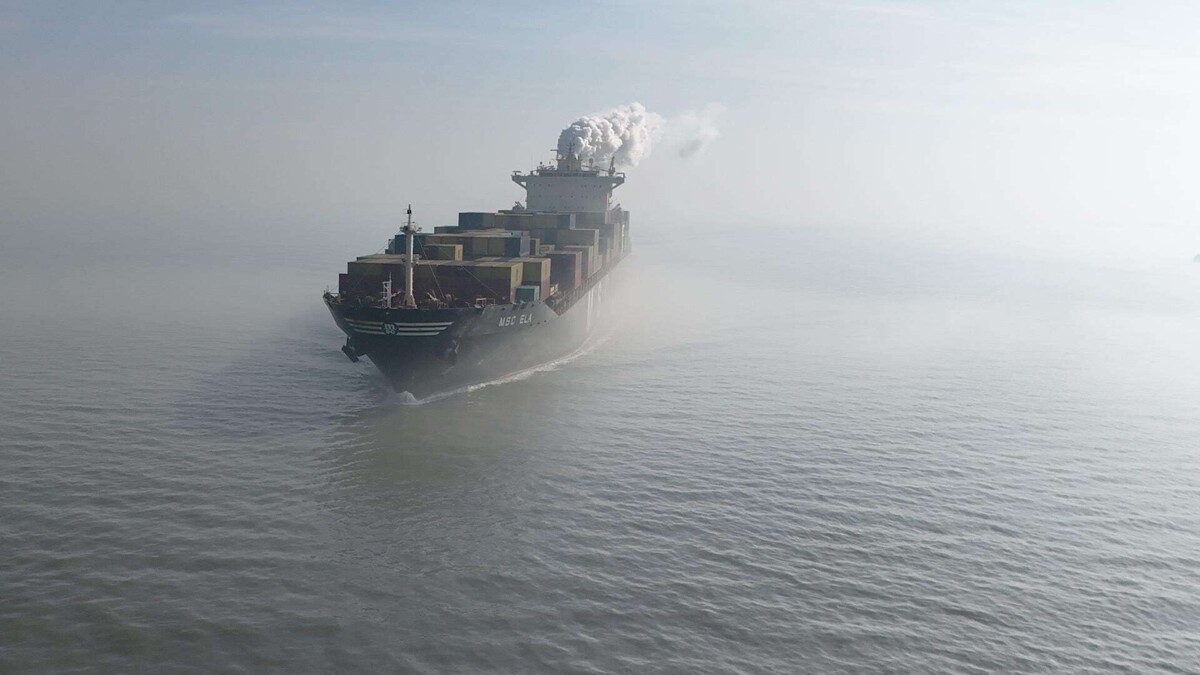
The Secretary-General of the International Maritime Organization (IMO), Arsenio Domínguez Velasco, has warned that the situation in the Strait of Hormuz is "quite critical" and requires an urgent de-escalation to avoid greater impacts on the global economy. From London, Domínguez detailed that currently, around 20,000 seafarers and nearly 2,000 vessels are trapped in the Persian Gulf, unable to transit through the Strait of Hormuz. "My message is to de-escalate these tensions and allow maritime transport to return to normality," he stated. The IMO is working on assistance mechanisms, from supplying food and water to providing mental health support for crews remaining on board. The organization is also promoting the creation of an evacuation mechanism for the stranded seafarers, while coordinating with regional countries, shipowners, and flag states. Governments reiterated their commitment to the freedom of navigation, in line with the IMO's call to prioritize diplomacy and dialogue to reduce the escalation. Beyond the figures, Domínguez focused on the human cost of the conflict. As he explained, maritime routes have had to be modified, altering itineraries and causing delays in ports. So far, ten seafarers have been reported dead, one missing, and several injured, in addition to 21 vessels being attacked. "When ships and seafarers are affected, the rest of the world suffers," he emphasized. He also warned that crews are left practically "as cannon fodder" against threats on strategic routes, which exacerbates psychological pressure and uncertainty about their safety.