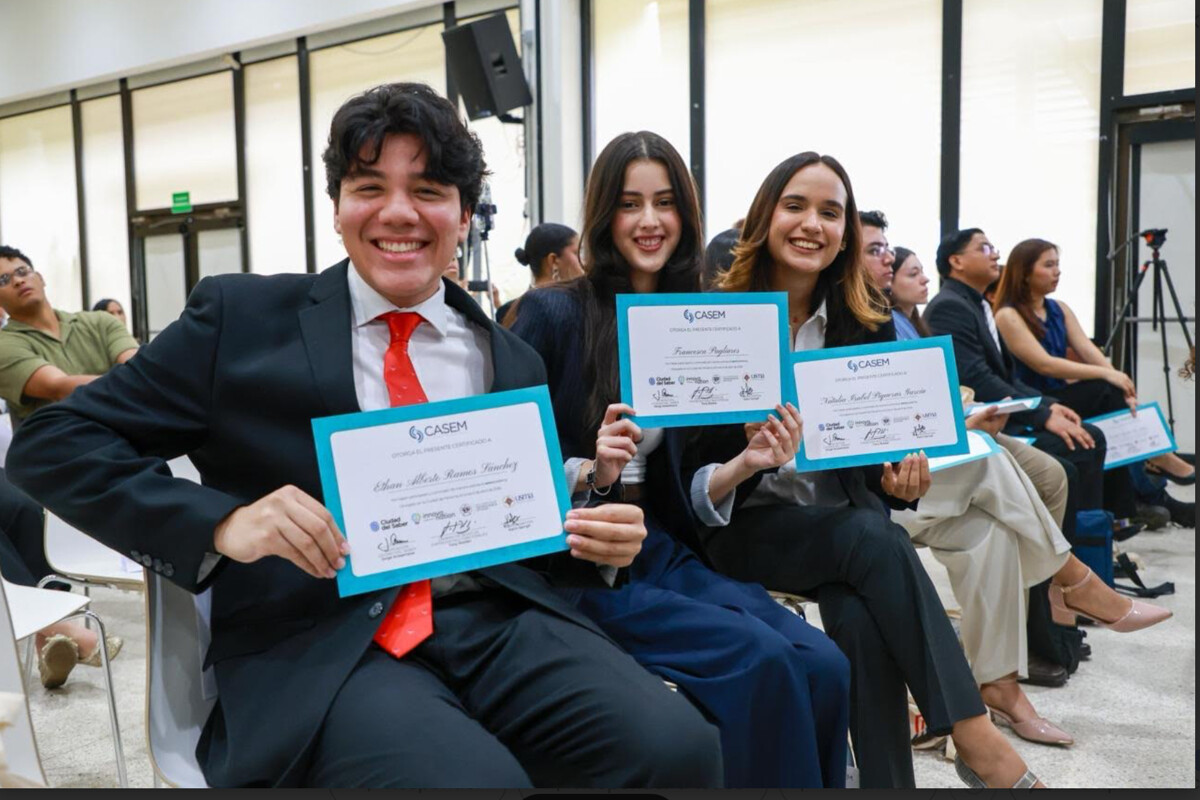
Panama celebrated the first generation of graduates from the Multinational Companies Academy, an initiative of the Chamber of Multinational Companies (Casem). This pilot program aims to bridge the gap between local talent supply and the demand from the global corporate sector, offering more Panamanians the opportunity to work in these companies. The six-month program focuses on soft and digital skills for students from Santa María La Antigua University and the Technological University of Panama. Eleven multinational corporations supported the program, with others offering internships. The central message from the graduates was the need to adapt to a changing work environment where continuous learning and human skills are decisive. During the event, Tony Roldán, president of Casem, emphasized that such initiatives depend on the active participation of the private sector and a commitment to talent development. 'They don't leave here knowing everything; they leave knowing how to learn, how to collaborate, and how to create value in a world that never stops moving,' he stated. Panama's Minister of Commerce and Industries, Julio Moltó, said, 'This is talent made in Panama, but most importantly, it finds real employment and growth opportunities within multinational corporations operating in our country.' He noted that graduates leave with proven capabilities, beyond just knowledge, in a context where companies demand verifiable skills. It was highlighted that the program seeks to close the gap between education and employment by combining technical training with human and digital skills. 'Investing in talent is investing in the country's competitiveness,' affirmed the minister, while urging more companies to join as allies of the program. Addressing the graduates, he highlighted three key ideas: 'this is only the beginning' in a 'dynamic, competitive, and demanding' environment; the importance of mindset when facing challenges; and the impact of their work beyond the individual. 'The world doesn't want people who compete with technology, it wants people who know how to manage it,' he stressed, pointing to the importance of communication, critical thinking, and teamwork. It was also noted that the graduates developed skills such as receiving feedback, collaborating, and adapting. Karin Sempf, CEO of InnovNation, focused her speech on the necessary skills to enter the current job market, marked by accelerated changes and technological influence.