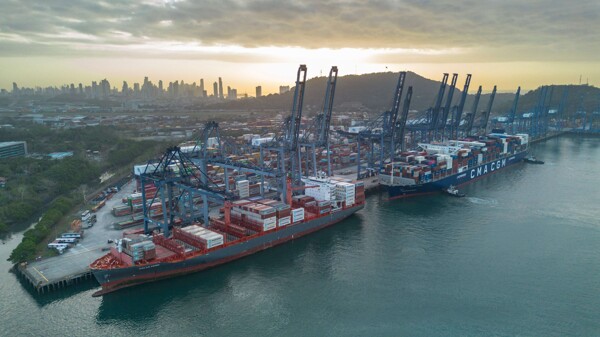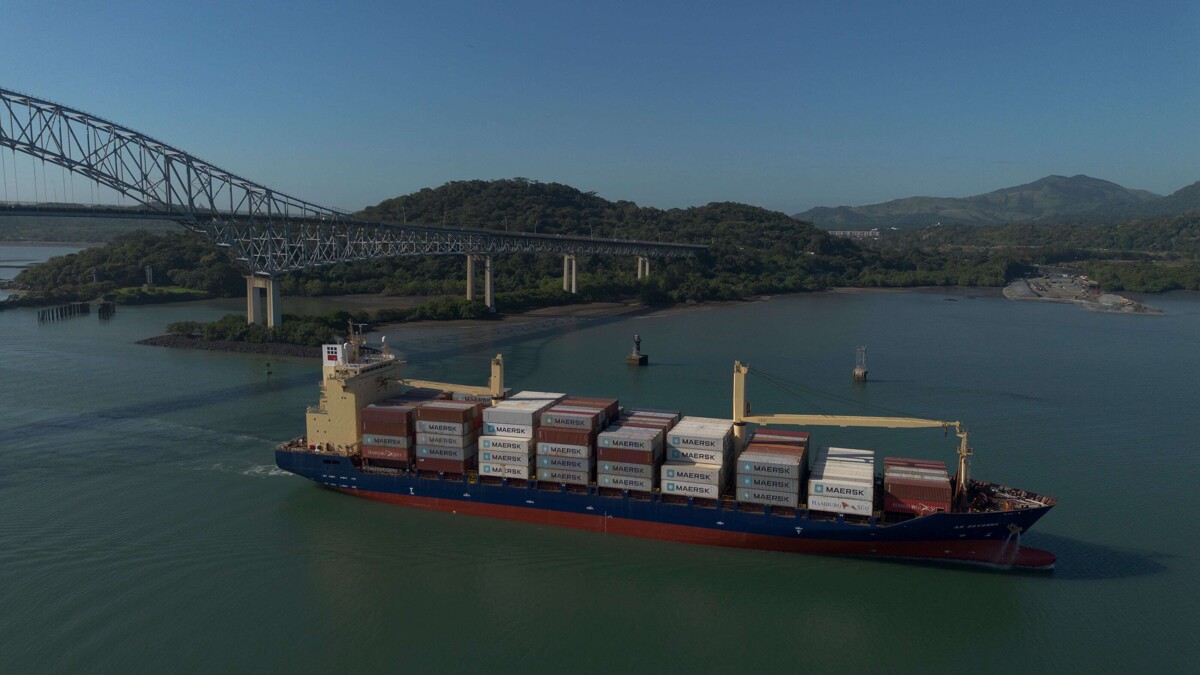
Sectors most exposed to the effects of the new tariff, especially in an environment where buyers can opt for suppliers with similar or lower costs. At the close of 2025, according to data from the Ministry of Commerce and Industries (MICI), 15% of Panama's total exports went to the United States market with $146.2 million, representing a 20.8% decrease compared to the $184.5 million reported in 2024. Despite this scenario, the president of APEX believes that the quality of Panamanian products could partially mitigate the impact. However, in the last year, after the application of 10% tariffs by the government of President Donald Trump, exporters have faced increased costs and a loss of competitiveness compared to other markets. Arturo Siu, president of the Panamanian Association of Exporters (APEX), explained that the situation has intensified after the tariff was raised to 15%, a measure that currently applies to Panamanian exports to that country. "We should respect the Free Trade Treaty and continue exporting our product made in Panama," expressed Siu. Faced with this context, exporters are also evaluating market diversification as a strategy to reduce dependence on the US market. Europe and other international destinations appear as alternatives, especially for products with added value under the "Made in Panama" brand, which seeks to strengthen the identity and competitiveness of the national offer. Looking ahead to 2026, Siu indicated that the sector maintains growth expectations, driven by improvements in logistics and the reactivation of key operations in ports and export chains. The United States remains one of the main destinations for Panamanian exports, with products such as shrimp, fish, sugar, and banana being the most relevant. "Panama has a product quality that distinguishes it, such as pineapple or coffee," he affirmed, although he acknowledged that the behavior of the market in the coming months will be key to measuring the real magnitude of the impact. In parallel, the exporter guild has insisted on the need to respect the terms of the Trade Promotion Treaty between Panama and the United States, in effect since 2012. Siu highlighted that while Panama has progressively reduced tariffs on US products, local exports now face a 15% charge, creating an imbalance in the trade relationship. "We are a country allied with the United States. "What goes out today to the United States will enter with a 15% tariff," he stated, referring to the new scheme in effect for an initial period of 150 days. The guild leader pointed out that one of the main effects of this adjustment is the loss of comparative advantages that Panama maintained over other countries. Previously, some competitors faced higher tariffs, which allowed Panamanian products to position themselves more easily in the US market. "The 15% puts us on the same level as the rest of the world," he warned. Siu detailed that four sectors concentrate nearly 80% of exports to the United States: fish, sugar, banana, and shrimp. The biggest consumer of the Canal is also the United States. Our biggest trading ally has always been the United States. I don't see the reason why we should have a tariff. Nevertheless, he emphasized that uncertainty in tariff matters will continue to be a determining factor in the performance of Panama's foreign trade.