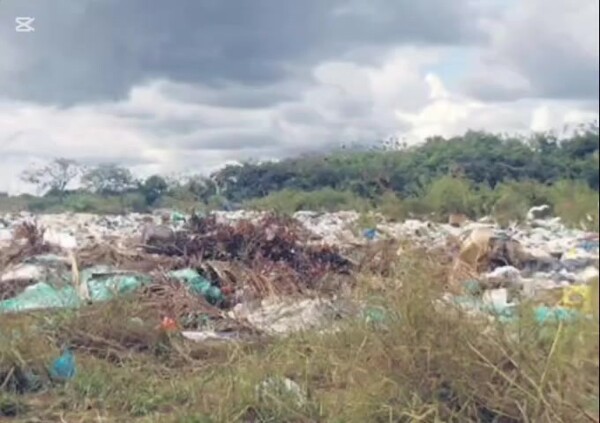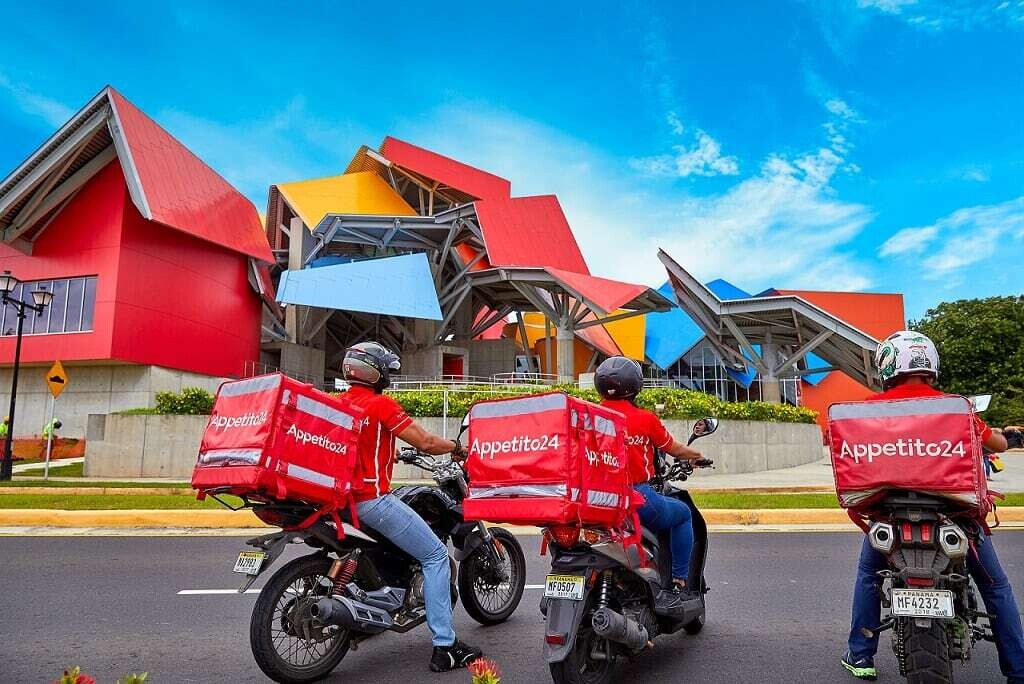
More than an immediate replacement, it's about adopting more conscious practices to balance our eating habits, reducing fast food consumption and reconnecting with healthier, more sustainable practices. In turn, the environment would also benefit from these changes by reducing the amount of non-recyclable packaging that often affects the quality of life in the city and the natural systems around it. Beyond the immediacy of delivery, it's worth questioning the impact of our daily actions as individuals. In this balance between comfort and consciousness, small acts can make a significant difference, both for our health and the environment we live in. Reconnecting with the time spent preparing food implies returning to practices that generate well-being and strengthen people's relationship with food. The author is an architect and a second-year student at the Faculty of Gastronomy of the University of Panama. To this are added multiple daily demands that end up reinforcing an accelerated pace of life from which it is rarely possible to move to personal reflection. It is common to say that everything in excess loses its balance. However, this change has not been without consequences. To this is added that the consumption of processed foods has grown considerably, displacing fresh products. Thus, the convenience of this model has not only redefined consumption patterns but has also intensified its impact on health and the urban environment. There are alternatives that invite us to rethink the direction we have taken regarding home food delivery. In the midst of this pace, we increasingly depend on services that allow us to carry out daily activities without investing time, from shopping to accessing food. In this context, the pandemic only intensified this situation. While it is unlikely that this habit will change overnight in a context where the pace of life is unlikely to slow down, it is necessary to recognize that opting for fresh food remains a real possibility. Cooking at home, choosing local products, and reducing the frequency with which we resort to this type of service are simple measures that can make a difference. Mobility restrictions transformed the rhythm of daily life, and delivery stopped being a casual service to become a habitual practice, allowing many people to stay connected with the outside world. In particular, home food delivery went from being an occasional solution to a constant practice, transforming not only how the body is nourished but also the relationship with food preparation. In Latin America, this sector exceeded 33 billion dollars in 2023, showing a sustained growth that has transformed the way we consume food. Today, we live in a constant dynamic where time never seems to be enough, leading us to seek alternatives that speed up tasks and optimize every moment. Everything must be immediate, fast, without pauses. The city responds to that same logic: an environment in constant motion where speed becomes a necessity. The increase in orders also implied an increase in the use of disposable packaging, raising non-biodegradable waste by approximately 15%.