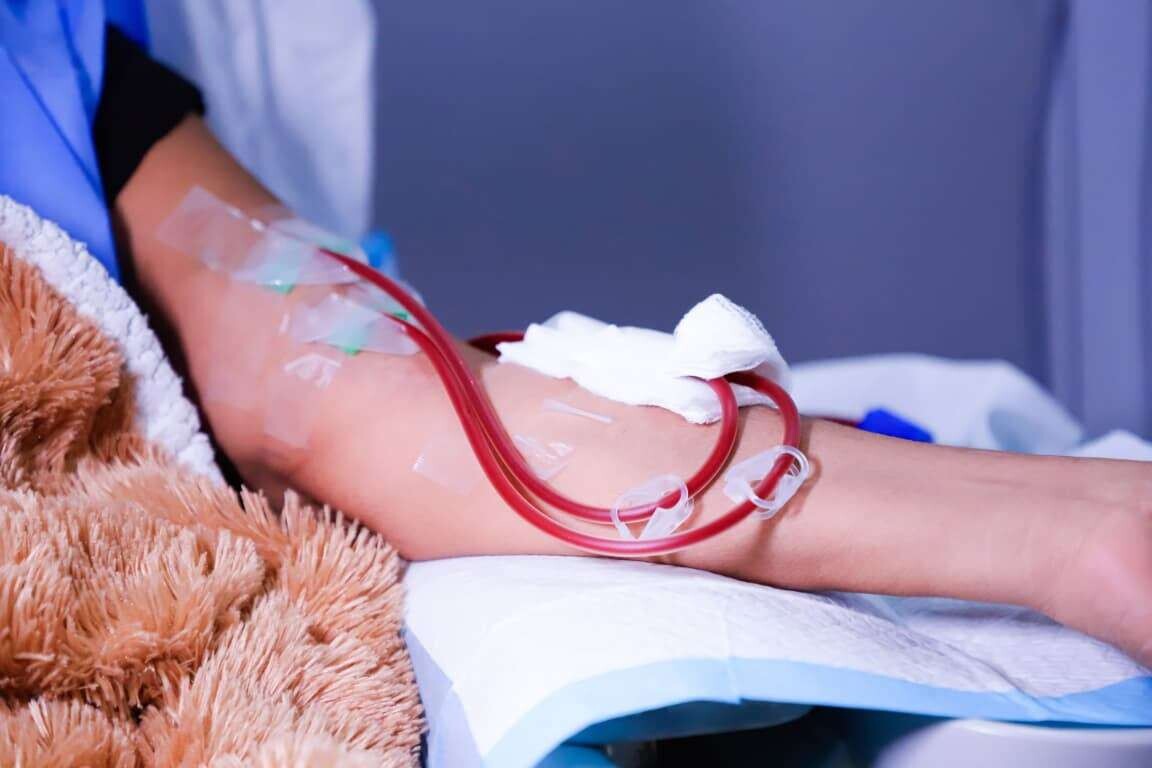
In Panama, dialysis ceases to be a medical concept and becomes a new way of life. Chronic kidney disease affects approximately 13% of the adult population. The challenge is not only clinical but also economic, emotional, and social. Hemodialysis saves lives, but by itself, it does not solve everything that comes with living with this disease. Through surveys, participation tracking, and continuous evaluation, the patient's experience is translated into information that can improve their care. 'You have stage 5 chronic kidney disease and must start hemodialysis three times a week to be able to live'. This is one of the most difficult phrases that patients with kidney disease hear. It sometimes involves using time productively, listening to the patient's needs, and structuring solutions that integrate science with humanity. At the same time, key clinical indicators are monitored, which allows for identifying improvement opportunities based on scientific evidence. This model has been made possible by strategic articulation with the Ministry of Health and has been recognized in the recent SENACYT National Business Innovation Contest. At Nephrohealth, we use this innovative evidence-based approach to dialysis therapy. These interventions are structured, measured, and analyzed. They typically arrive at an emergency room for a hypertensive crisis or another complication, without knowing that their life is about to change completely. In the case of chronic kidney disease, this can make the difference between surviving and truly living. The author is a lead scientist at Nephrohealth, an adjunct researcher at INDICASAT-AIP, and a member of Ciencia en Panamá. During these sessions, health education workshops on kidney disease are held, nutrition sessions tailored to the patient's needs, and psychological support spaces are created to address the emotional processes associated with the diagnosis. For hours, several times a week, patients remain connected to a machine. Thus, innovation in health does not always involve the implementation of new technology. But innovation allows it to become an opportunity to heal beyond the physical. The science, data, and innovation-based approach allows transforming dialysis hours into active spaces of accompaniment. This time is usually seen as a passive process. However, it impacts people of working age, often in conditions of high social vulnerability.