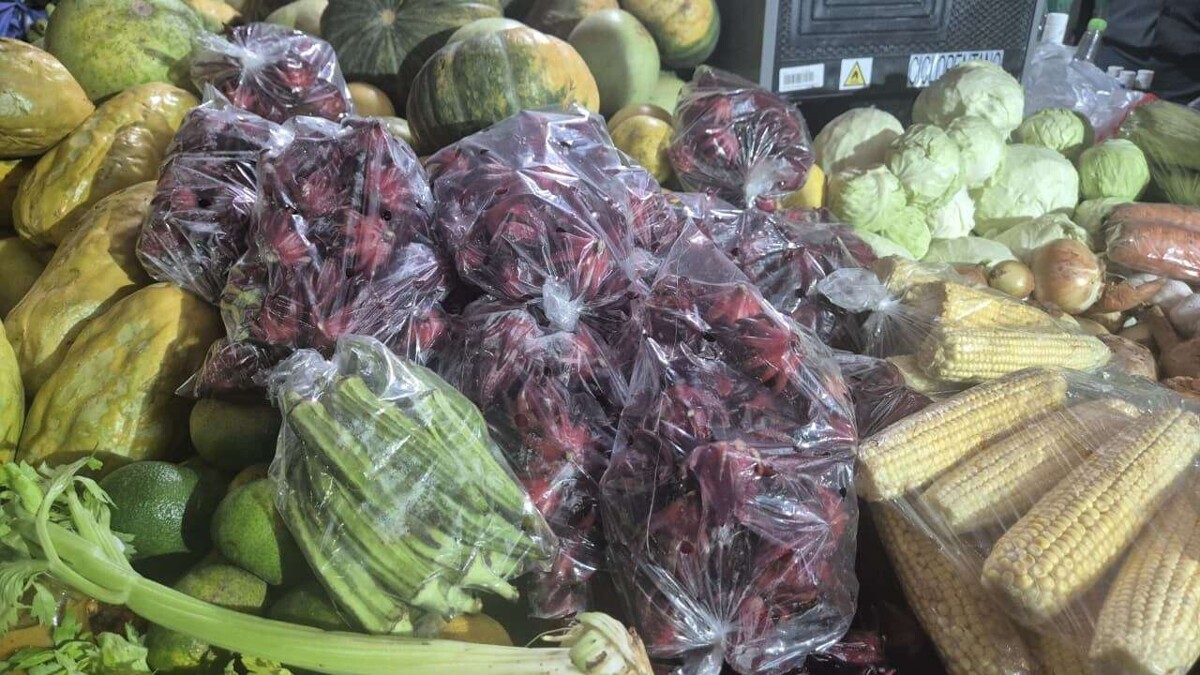
In Panama, there is a crisis that everyone talks about privately, but few face head-on: the cost of living. Because, in the end, people don't measure management by statistics, but by their quality of life. Panama has already experienced episodes where the cost of living has been the trigger for social conflicts. Trust is broken, the expectation of progress is broken, and little by little, the relationship between the citizen and the State is weakened. What is worrying is that this situation does not explode suddenly; there is no single moment that marks the break. The country needs to look beyond and ask itself how to generate better incomes, more stable jobs, and an economy that benefits more people. It is also valid to question the model we have followed. It is not enough for the economy to work on paper; it must be felt on the street. And what is most worrying is that this situation is no longer temporary and is becoming the new normality. Today, most Panamanians feel the same thing: money doesn't go as far as before. And that inequality is what is most strongly felt on a daily basis. In the end, the cost of living is not just an economic issue, it is an issue of social stability and trust in the future. When living in your own country becomes increasingly difficult, the problem ceases to be individual and becomes collective. Panama is still in time to correct its course, but this requires recognizing reality without whitewashing it and making decisions that really impact people's lives. Because when living becomes a luxury, stability ceases to be a guarantee. The author is a writer and environmental consultant. The country can advance in indicators, but if people do not perceive it, that advance loses its political value. That is precisely one of the great challenges of the moment. But that does not solve the underlying problem. Who is making the decisions? Panama has grown for years, but that growth has not been the same for everyone. And that is why minimizing what is happening today would be a mistake. But there is a clear disconnect between those numbers and the daily experience of the population. It is not something new. Food is more expensive, services are rising, fuel impacts everything, and incomes, in many cases, remain practically the same. This is not an issue for economists or official speeches, it is the daily reality of thousands of Panamanians who, even while working, feel that each month it is more difficult for them to make ends meet. It is a pressure that builds up and that sooner or later takes its toll. This is where the issue becomes political, because when the cost of living increases uncontrollably, people not only worry: they also begin to question. It is not an exaggerated perception; it is a reality that is lived every day. When a person works and still cannot cover their basic needs, something breaks. It is a silent wear and tear: families cutting back on expenses, young people who cannot become independent, and workers living with the constant uncertainty of not making it to the end of the month. The discontent exists and is growing silently. Of course, there are always short-term measures that can alleviate the situation: subsidies, temporary controls, specific adjustments. Why doesn't economic growth feel real? The official discourse usually relies on positive figures: growth, investment, stability. Who benefits?