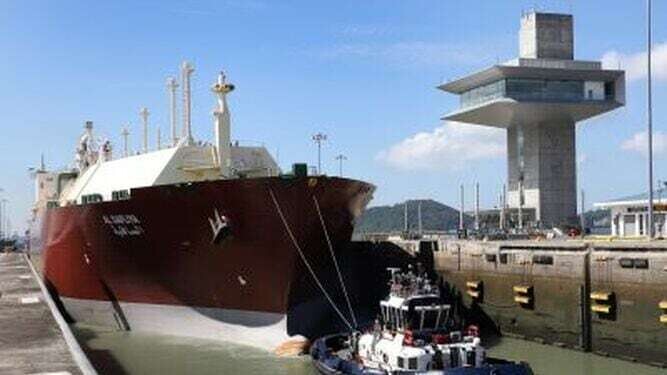
The Panama Canal reports increased transit, linking it to geopolitical factors. In March 2026, the interoceanic route saw an average of 37.03 daily transits of ocean-going vessels, totaling 1,148 ships. The largest proportion (55.75%) were vessels with a beam of between 91 and less than 107 feet, followed by Neopanamax ships at 26.31%. The average transit time within the Canal was 10.67 hours, with the total time in Canal waters reaching 21.39 hours. Over six months until March 2026, a total of 929 transits were accumulated, compared to 932 in the same period of 2025. However, specific segments showed significant growth. For instance, RoRo (roll-on/roll-off) vessel transits increased by 7.38%, and fuel-carrying tankers by 16.89%. In contrast, transit of large passenger vessels like cruise ships decreased from 173 to 160. The growth in traffic is attributed to several factors. The Canal's administration links this to advance imports due to U.S. tariffs, as well as an increase in transits of Liquefied Natural Gas (LNG) carriers between the U.S. and Asia. "This year, we've had between 36 and 38 transits daily, said Panama Canal Authority Administrator Ricaurte Vásquez. "Most of these are recorded at the Neopanamax locks." He also noted that daily transits of LNG vessels are expected in the coming weeks due to the situation in the Persian Gulf. This is confirmed by data: LNG tanker transits increased by 73.68%. Container ship traffic also grew by 52.08%. The Canal administration reports high demand for reservations, creating operational pressure: utilization of Neopanamax and regular locks exceeded 100%. To ensure service continuity, scheduled maintenance work is being carried out on the locks, and documents for pre-qualifying strategic projects like the energy corridor and terminals in Corozal and Telfers have been modified.