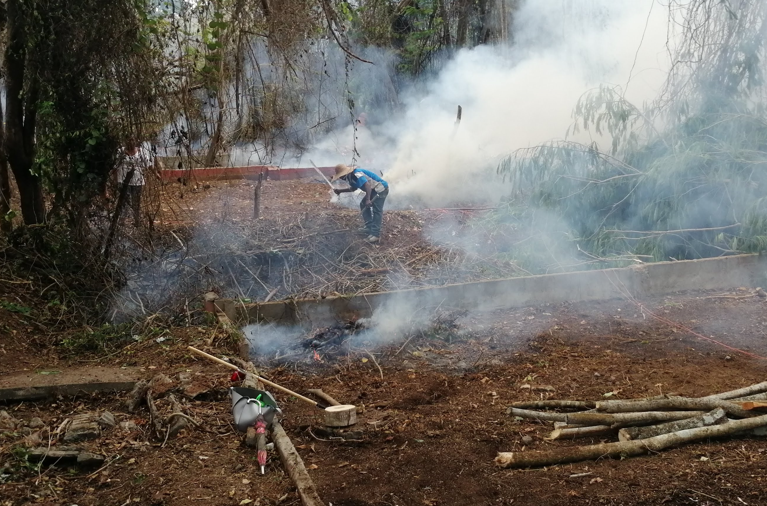
With the arrival of the summer season, the prevention of wildfires in protected areas and national parks poses a challenge for the Ministry of Environment (MiAmbiente). In the province of West Panama, during the summer months of 2025, 27.67 hectares of protected areas were consumed by flames, according to MiAmbiente records. Outside these zones, fires affected 35.28 hectares. As a result of the investigations, it was determined that some fires were intentionally set. In places such as Altos de Campana National Park and Biological Reserve, the Arraiján Shooting Polygon, and the Multiple Use Area of the Mangroves of Bahía de Chame, most of the documented incidents are related to human activities. To reduce the risk of new wildfires in protected areas, such as Altos de Campana National Park and Biological Reserve, work is underway on creating firebreaks at specific points. Another objective, explains Lady Palacios, head of the Forestry Section of MiAmbiente in this province, is to reduce the amount of flammable material in protected areas and prevent possible sparks or burns from turning into significant fires. Between January and May, when the drought intensifies, grasses, gramineous plants, and leaf litter become natural fuel, which increases the probability of incidents within protected areas. "Any poorly managed burn can seriously affect vegetation, wildlife, and air quality," warned Palacios.