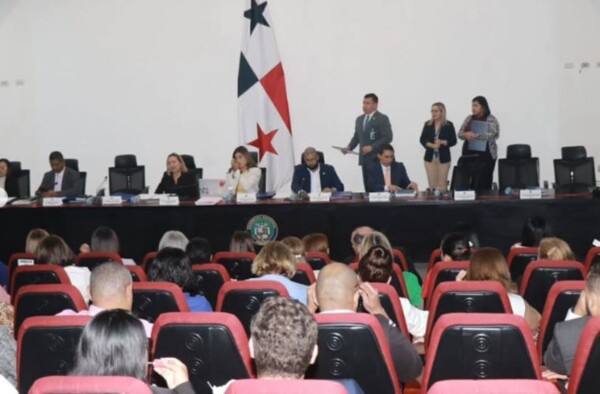
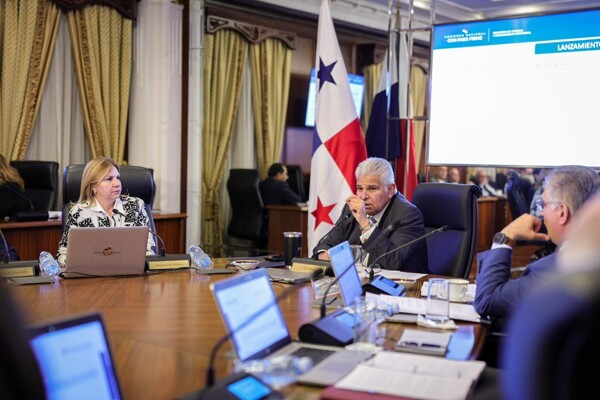
According to MiAmbiente, this is the first step in a strategy to minimize risks and damages derived from the interaction between humans and crocodiles, especially in areas where the number and size of crocodiles are considerable, such as in areas of human activity near rivers, lakes, wetlands, and coastal zones. The Minister of the Environment, Juan Carlos Navarro, emphasized that the presence of crocodiles in rivers is completely normal, however, he called for caution when they are found in areas of high attendance. "What we are concerned about is when there is a crocodile on a beach or recreational area and an incident with humans can occur," he commented. In natural areas, crocodiles have been there before humans. The 'Human-Crocodile Conflict Management and Control Plan' will also address aspects of prevention, intervention, and education to manage encounters between people and crocodiles safely and responsibly. "I have seen many videos where crocodiles are seen swimming placidly in rivers where they have been for thousands of years, someone just discovered the warm water," Navarro added. In November 2025, the Ministry of the Environment (MiAmbiente) delivered a first contribution of $40,500 to the Multidisciplinary Studies Center in Sciences, Engineering, and Technology AIP of the Technological University of Panama (UTP) for the execution of the 'Human-Crocodile Conflict Management and Administration Plan'. With this contribution, it is sought to generate information on the populations of these species, including protected areas and their areas of influence in urban and peri-urban areas such as Panama Bay. In this sense, he recalled that a study with the Dr. has already been launched. The project consists of four components: initial diagnosis and risk identification, risk management, crisis management and emergency response, and design of the Crocodylus acutus monitoring and management program.

Panama's Ministry of Environment Launches Crocodile Conflict Management Plan
The Panamanian government has allocated funds to develop a plan for managing human-crocodile interactions. The project aims to minimize risks in recreational areas and study reptile populations. The minister urges citizens to be cautious.