Confidence grows as travelers learn to adjust rather than resist these differences. By approaching Panama with preparation and openness, visitors can move comfortably through its varied regions. This diversity makes travel exciting, but it also rewards preparation and situational awareness. Moving through Panama with confidence means understanding how each environment differs. Combining local knowledge with personal planning builds confidence across different regions.
Finding Your Rhythm Across Changing Landscapes Traveling through Panama is not about mastering every detail but about developing awareness and flexibility. Sea conditions and weather patterns can influence transportation, so travelers benefit from keeping plans flexible and allowing room for change.
Climate Awareness and Seasonal Planning Panama has a tropical climate with a defined rainy season and a drier period. Allowing extra time and staying informed about local conditions contributes to safer travel.
Coastal Areas and Island Travel Panama’s Pacific and Caribbean coastlines offer very different travel experiences. Traffic congestion can be heavy at certain times, and understanding neighborhood layouts helps travelers avoid unnecessary delays.
Traveling Through Highlands and Mountain Roads The mountainous regions of Panama, especially in the west, offer cooler temperatures and a slower pace of life. Climate, terrain, and infrastructure can change quickly, and knowing what to expect helps travelers adapt smoothly.
Understanding Panama’s Geographic Diversity Panama’s role as a bridge between continents has shaped its physical environment in unique ways. Short distances on a map can involve winding roads or slower transportation, especially outside major cities.
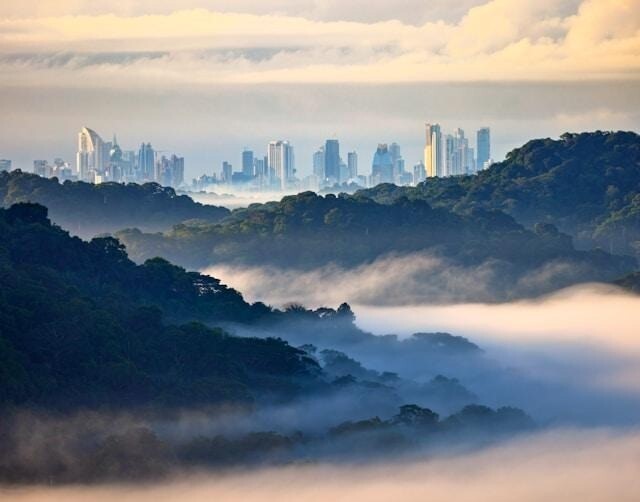
Preparing for Rainforests and Remote Regions Large portions of Panama are covered by tropical rainforest, particularly in national parks and less-developed areas. Dense jungles, coastal plains, and highland regions are all accessible within a few hours of one another. Because travelers often move frequently between regions, carrying lightweight gear is common, and many choose a compact camera to capture scenery without adding bulk while navigating varied terrain. This geographic range also affects travel times. Packing appropriately and adjusting expectations can make travel feel more controlled and less stressful.
Relying on Local Knowledge and Practical Guidance Local insight is one of the most valuable resources for navigating Panama. Panama is a country of remarkable contrast, offering travelers an unusual concentration of landscapes within a relatively small area. Modern cities sit close to rainforests, mountains rise not far from the coast, and remote villages coexist with international transit hubs. Visitors should expect uneven terrain and limited signage in some locations. Confidence in these areas comes from preparation rather than speed. Appropriate footwear, breathable clothing, and realistic daily plans help travelers move safely through remote landscapes.
Navigating Cities and Developed Areas Panama City is the most urbanized area in the country and serves as a major transportation hub. Rainfall can affect road quality, hiking routes, and travel speed, particularly in rural areas. Roads are often narrower and more winding than those found near the capital. Weather can shift quickly in the mountains, affecting visibility and driving conditions. Island destinations may operate on flexible schedules rather than fixed timetables. Adaptability is essential in coastal regions. These areas are known for agriculture, hiking, and scenic viewpoints. Residents, guides, and transportation providers often have current information about road conditions and regional challenges. However, daily life continues throughout the year, and infrastructure is designed with rain in mind. Understanding seasonal conditions helps travelers make informed decisions. The reward is a deeper connection to a country where diversity is not just visual, but part of everyday movement and life.
The post How to Navigate Panama’s Diverse Landscapes With Confidence appeared first on Newsroom Panama.
Roads and services are comparable to those in many large US cities. Even in urban settings, planning remains important. Each landscape has its own pace, shaped by environment and culture. Their advice can help travelers avoid unnecessary risks. Official tourism resources and experienced operators also provide reliable information. These environments are humid and receive frequent rainfall, which can make trails slippery and conditions unpredictable. Some beaches are accessible by paved roads, while others require boat transport or small aircraft. Public transit, including buses and a metro system, makes getting around relatively efficient for visitors.