By embracing maximalism, you open the door to a world full of possibilities and creativity. Maximalism in fashion is conceived as an aesthetic current that celebrates exuberance, opulence, and a taste for the excessive. In contrast to minimalism, which promotes sobriety and reduction to the essential, maximalism is expressed through intense hues, bold prints, and a diverse combination of visual elements. As you become more comfortable, you can increase the complexity by adding layers of textures and contrasting color combinations. Always remember that maximalism is not about obeying rigid rules; it doesn't matter if you mix checks with stripes or place satin over lace, because its true meaning lies in limitless self-expression.
Cultural Impact and Future of Maximalism Maximalism has left an indelible mark on the fashion industry, just as it has in other fields like art and architecture. It is a celebration of plurality and a rejection of conformity. Reflecting on maximalism, we can appreciate its valuable contribution to the world of fashion. This approach is not limited to a fleeting trend, but represents a creative philosophy that takes personal expression to its maximum freedom.
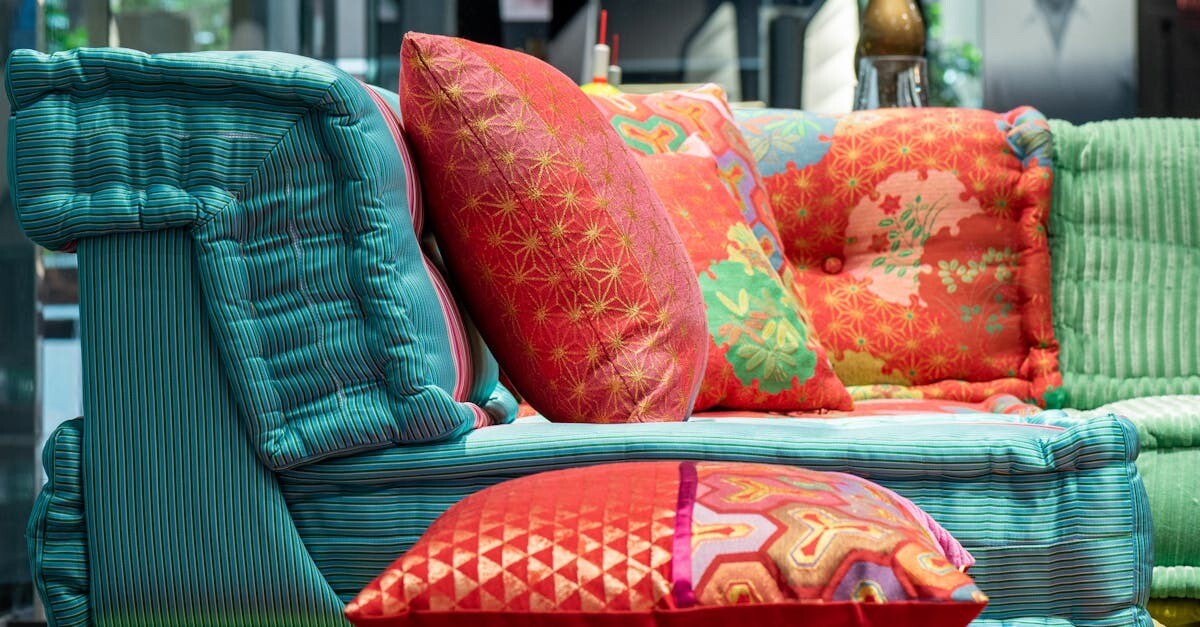
Distinctive Traits of Maximalism in Fashion Maximalism wholeheartedly embraces a vibrant use of color, while designers like Alessandro Michele of Gucci, famous for his baroque aesthetic, resort to a wide and exuberant palette that breaks with classical canons; in maximalist collections, neon tones, metallic hues, and tertiary colors often play a central role. Another essential feature is prints and textures. Florals, geometric, animal, and abstract patterns can coexist in a single garment, creating a visual symphony that is both provocative and harmonious.
The Resurgence of Maximalism Historically, maximalism has resurfaced in times of social and economic change. Avant-garde designers continue to explore the limits of what is possible, questioning norms and redefining concepts of beauty. As the world of fashion moves towards greater inclusivity and diversity, maximalism offers a path for diverse thought and the acceptance of different aesthetic identities. Both influencers and celebrities adopt this aesthetic to attract attention and stand out in a highly competitive environment.
How to Adopt the Maximalist Style For those interested in experimenting with maximalism, the key is confidence and a sense of play. While minimalism seeks uniformity and monochromy, maximalism encourages the juxtaposition of patterns. Start by incorporating a dominant piece into your outfit, such as a jacket with bold prints or a striking accessory. During the 1980s, a period marked by consumerism and exuberance, maximalism flourished with the designs of brands like Versace and Moschino. In its opulence and diversity, it embodies the spirit of exploration and curiosity that defines the art of fashion. Today, its resurgence could be interpreted as a response to a world saturated with digital images, where standing out is a necessity. The role of social media, especially Instagram, is impossible to overlook, as these visually-focused platforms provide an ideal showcase for maximalism and allow creative individuals to exhibit their personal style without limits. Although it may sometimes seem like a challenge to conventions, it is in this challenge that its beauty lies.