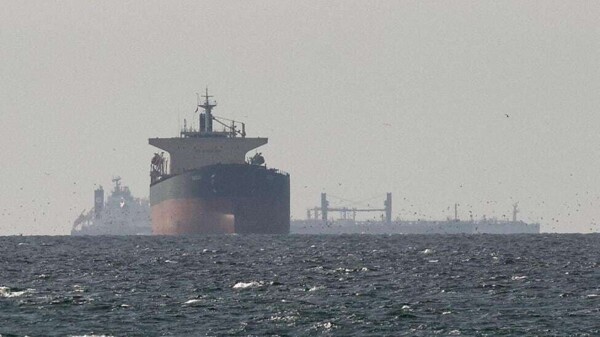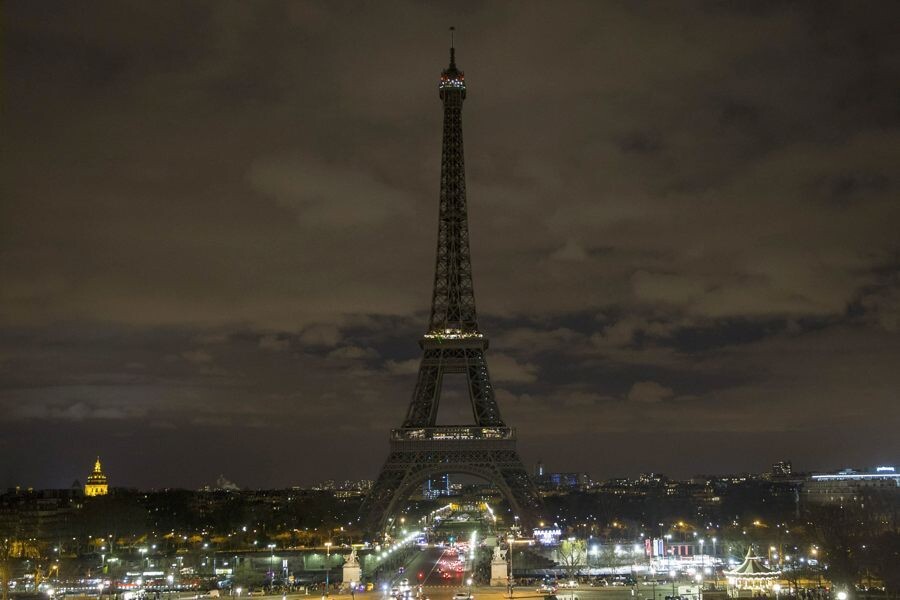
This Saturday, iconic landmarks and buildings from nearly 200 countries and territories worldwide will turn off their lights for an hour to mark Earth Hour, the largest global movement in defense of nature, which is celebrating its 20th anniversary. According to the environmental organization World Wildlife Fund (WWF), which launched this initiative two decades ago, 'millions of people in more than 190 countries and territories across all latitudes' will join the event, held annually on the last Saturday of March between 8:30 PM and 9:30 PM. From a symbolic gesture to a global initiative On its website, the environmental group mentions that the movement began in Sydney (Australia) in 2007 as 'a symbolic gesture to draw attention to the problem of climate change. A simple gesture consisting of turning off the lights of buildings and monuments for an hour.' 'This day reminds us that nature is our life-support system, which provides us with everything we need, from the air we breathe to the water we drink and the food we eat, and that we must defend it now to safeguard the health of our planet and, in turn, our own health and well-being,' WWF points out. The organization states that what began as a symbolic gesture has become 'the largest global movement for nature and climate, a spark of hope that has inspired cities, companies, and homes on all continents.' Monuments or iconic and recognizable buildings across the globe will turn off their lights during that time. In Paris, the Eiffel Tower, in Sydney, the Opera House, and in Spain, the Triana Bridge in Seville or the Sagrada Familia in Barcelona will be left in the dark. The undeniable impact of climate change On this 20th edition, WWF refers to the 'undeniable' impacts of climate change, especially in countries like Spain, although it emphasizes that 'collective action drives agreements, accelerates clean energy, protects ecosystems, and recovers species.' This year, the movement for nature's defense also comes amid a surge in fossil fuel prices caused by the war in Iran. In a statement issued by WWF this month, the group points out that Earth Hour today charts the 20 most significant achievements for climate protection over the last two decades and highlights 'the power of collective action to drive political, economic, and social change' in a context of 'global uncertainty.' It also highlights important international agreements reached in the sector, such as the 2015 Paris Agreement with its commitment to limit global warming, the 2030 Agenda that integrated climate, biodiversity, and social justice with other global goals, the European Green Deal, which set the goal of climate neutrality in the EU by 2050, or the Global Ocean Treaty. The NGO also observes that while fossil fuels continue to be the main cause of the climate crisis, there have been some advances, such as a nearly 70% reduction in coal use since 2010 or the consolidation of energies like solar and wind.