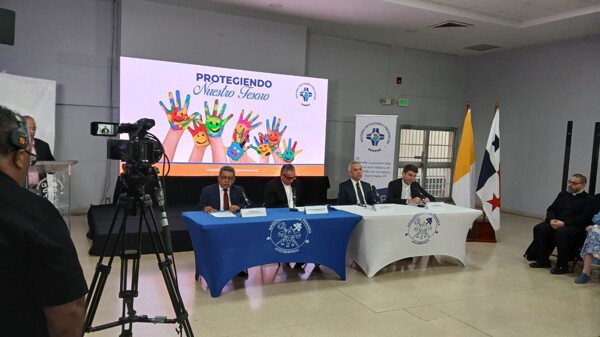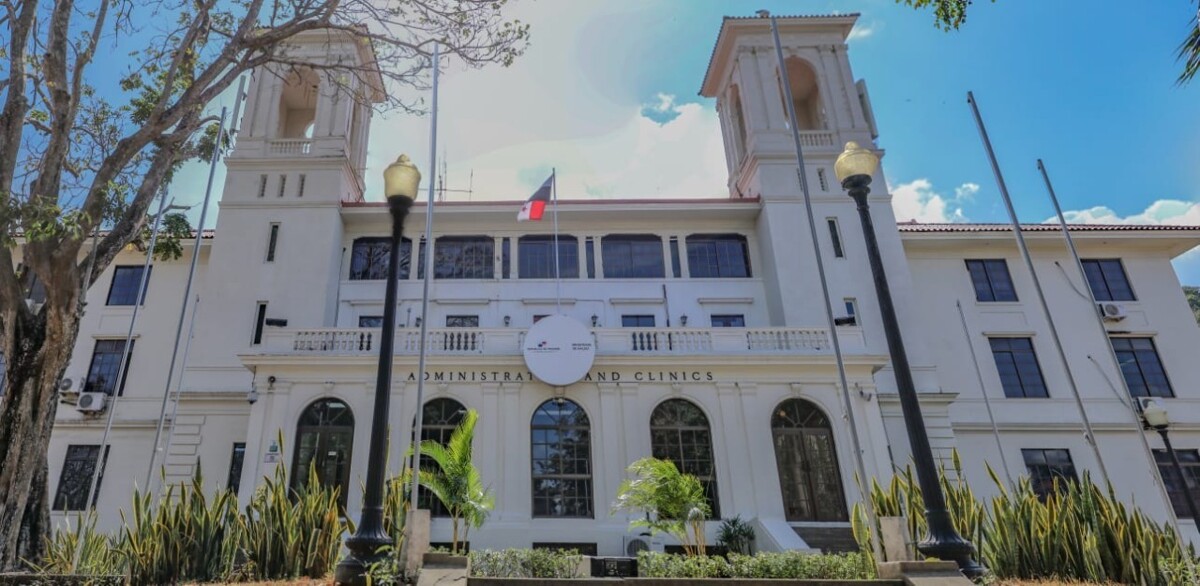
The Ministry of Health (Minsa) and the Social Security Fund (CSS) are advancing the process of integrating health services, for the benefit of insured and uninsured patients in both systems.
Carlos Abadía, an advisor to Minsa and a member of the Minsa-CSS Service Integration Plan Commission, stated that the integration is an administrative action to be more efficient, through a roadmap that includes governance, financing, and human resources.
«The integration between both entities seeks to unite their strengths and diminish their weaknesses,» said Abadía.
He indicated that the commission has been working for months to initiate this integration in the provinces of Herrera and Los Santos, where this process will begin.
An example of an integration that has worked for the population for over 40 years is the Rafael Hernández Hospital of the CSS in Chiriquí, where insured and uninsured patients are treated equally.
Waiting times for specialist appointments (ME) are being shortened because the General Practitioner (MC) is trained to manage patients with controlled chronic diseases.
Similarly, the José Domingo Obaldía Hospital of the Minsa in Chiriquí provides health care to insured and uninsured individuals; and, according to Abadía, no problems have ever arisen.
With the integration plan, the entire population will benefit, and the main beneficiary will be the insured person, since the CSS currently only has 78 facilities, while the Minsa has more facilities throughout the country.
Maintaining separate health systems generates inequity and increases health care costs by not allowing for continuity of care: 30% of insured individuals, during their working lives, move to the ranks of the uninsured, lose their treatments, and when they return to the insured side, their health is deteriorated, generating more costs for the institution.
Among the benefits of integration are:
- Universal coverage
- Continuity of health care: the patient maintains their right to care with their physician.
It is estimated that 40% of specialist slots are for patients under regular care.
Within the integration process, each institution (Minsa and CSS) will assume the costs generated by patient care in public health facilities, which will not represent an additional charge to the CSS's financial system.
Minsa reaffirms its commitment to transparency and the well-being of all system users, ensuring that no patient will see their access affected for reasons of this integration.
A Primary Health Care (APS) system is being created.
The figure of the General Practitioner (MC) and their health team is being established, which will be responsible for 400 families, no more than 2,000 patients.
This direct MC-patient relationship builds trust.
By having their own MC, the patient secures their appointment slot.
Complaints about lining up in the early morning to get appointment slots are eliminated.