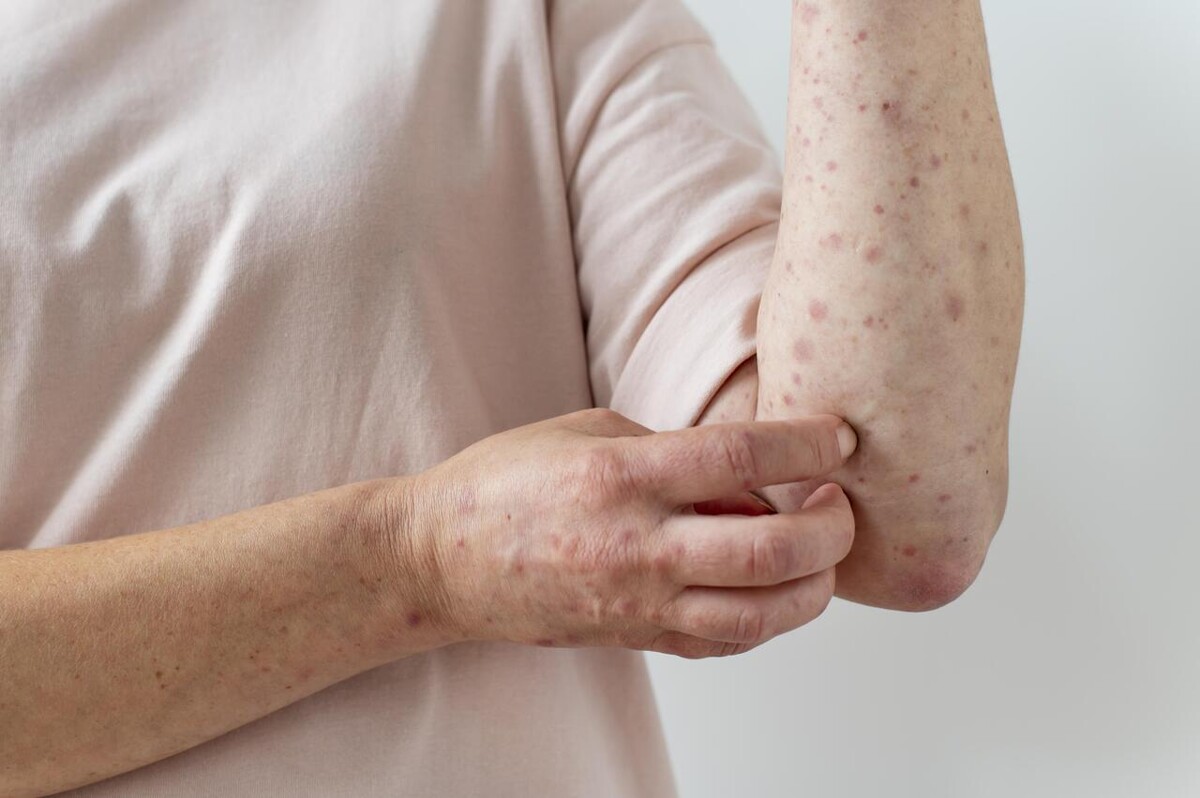
Although countries like Panama maintain the sustained elimination of the virus, new case reports in the region and testimonies from Cevaxin specialists show that the threat remains present and that prevention cannot be neglected. Measles outbreaks not only pose a risk to health systems but also directly endanger vulnerable populations, especially unvaccinated children, immunocompromised individuals, and communities with low immunization coverage. Specialized centers like Cevaxin warn about measles outbreaks: a regional alert that demands action. According to the PAHO Measles and Rubella Surveillance Bulletin (November 2025), 11 countries in the region reported 3,178 genetic sequences of the measles virus, with 74% concentrated in 2025 alone, demonstrating an active resurgence of the virus on the continent. In the same period, 13,269 confirmed cases of measles were registered in the Americas during 2025, with active outbreaks in countries such as Canada, the United States, Mexico, Brazil, Argentina, and Paraguay, among others. These data confirm that measles outbreaks are not isolated incidents but part of a regional epidemiological phenomenon that requires a sustained and coordinated response. Specialists, including those from Cevaxin, note that these actions not only protect the current population but also prevent measles outbreaks from finding fertile ground to spread. At the regional level, measles outbreaks are mainly associated with: declines in vaccination coverage, population mobility and migration, vaccine misinformation, and the accumulation of susceptible individuals. Surveillance data show thousands of suspected cases under active investigation in multiple countries in the Americas during 2025, with a particular concentration in North America and some South American countries. From its work in clinical research, epidemiology, and strengthening local capacities, Cevaxin provides scientific evidence, talent training, and technical support to sustain effective vaccination programs and robust surveillance systems. Sustained vaccination, active epidemiological surveillance, and cooperation between health institutions remain the most effective tools to protect the population. Panama is advancing solidly, but the regional context requires not letting down one's guard. Between 2024 and week 26 of 2025, the country reported 123 suspected cases, respectively, all discarded by laboratory, with no confirmation of the disease, which demonstrates the strength of the national epidemiological surveillance system. However, the same report classifies the situation as 'sustained elimination with moderate concerns,' emphasizing that measles outbreaks in neighboring countries maintain the risk of virus reintroduction. International experience shows that measles outbreaks occur when vaccination coverage decreases.