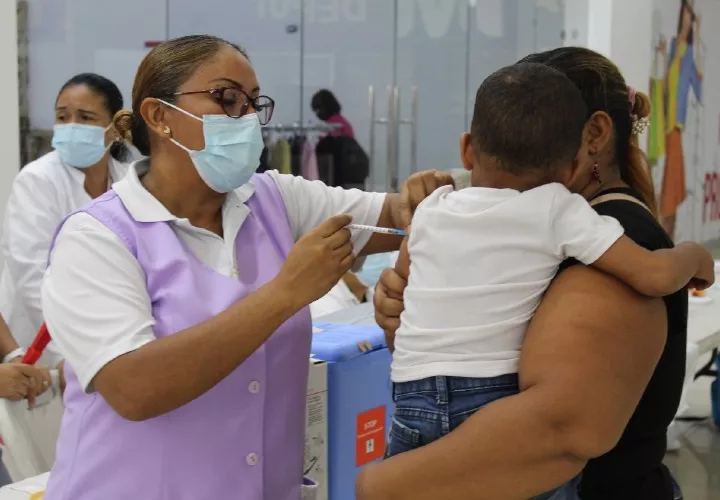
The Ministry of Health reported this Saturday that it has not yet made a decision on the inclusion of the dengue vaccine in the national immunization schedule. The entity stated that it is awaiting the technical analysis and comprehensive evaluation of the scientific evidence of the dengue vaccine being carried out by the National Advisory Commission on Immunization Practices (CONAPI). The Director General of Public Health, Yelkys Gill, explained that the epidemiology teams, in conjunction with the Expanded Program on Immunization (PAI), continue to analyze the impact results observed in other countries that have already introduced the vaccine. Gill said that these analyses are being conducted together with the review of the recommendations that CONAPI must issue regarding a possible incorporation into the national vaccination schedule. Meanwhile, the PAI coordinator, Itzel de Hewitt, indicated that the eventual inclusion of this vaccine in the national immunization schedule would be conditional on the availability of an adequate budget and on its acquisition being made through the Pan American Health Organization's (PAHO) Revolving Fund, a mechanism that allows countries to access more favorable prices through joint purchases and ensure long-term financial sustainability. The Ministry reiterated that it will continue to align its decisions with PAHO's recommendations and strengthening comprehensive dengue prevention strategies, emphasizing the elimination of mosquito breeding sites, which remains the most effective measure to interrupt its reproduction cycle and reduce the risk of transmission in the population. The entity said this issue will continue to be evaluated in the medium and long term, in light of the available scientific evidence and the experience accumulated by other countries regarding the effectiveness of the vaccine.