**Historical complex Casa Amarilla in San Felipe enters the program of state restoration under the control of the government**
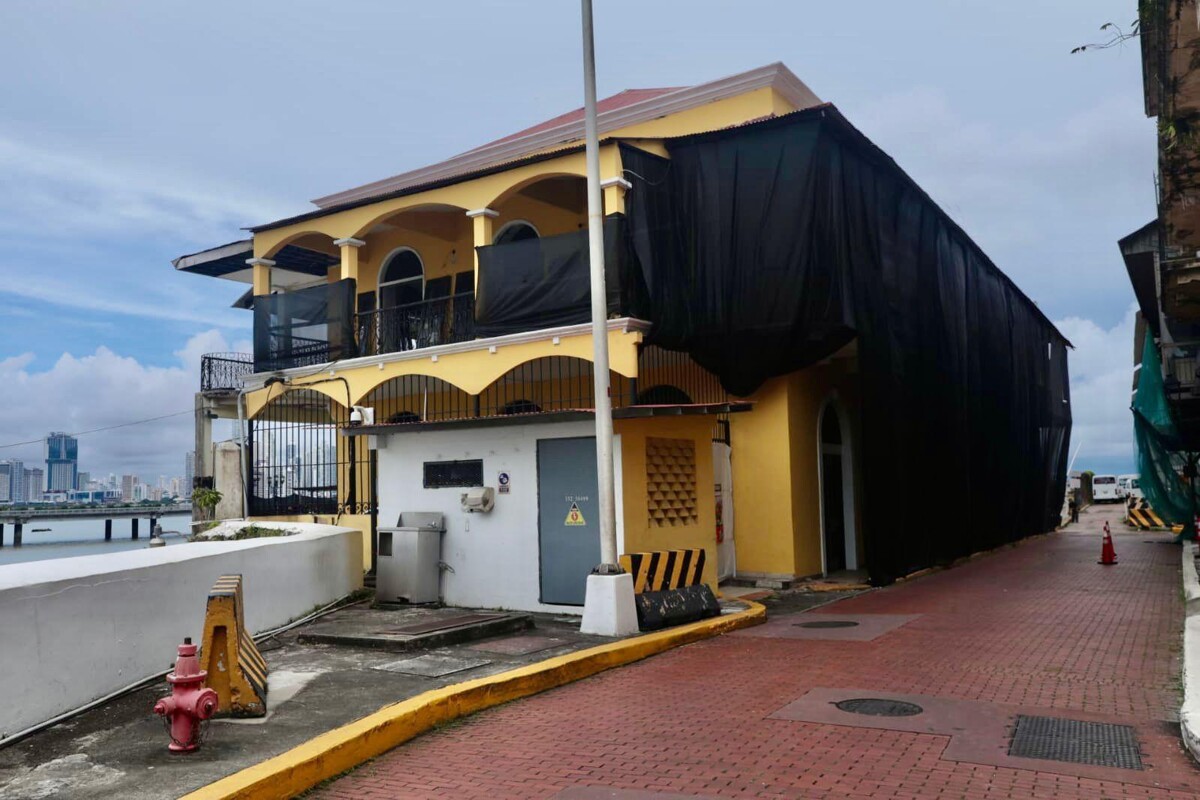
The authorities of Panama have access to the restoration of the historical building Casa Amarilla, declared a national heritage, and located in San Felipe. The works are financed by the budget and directed at the restoration of the object, including the cultural heritage located in the historical center of the city. The project is implemented by the Ministry of Culture in conjunction with the Ministry of the Presidency, which supports the initiative of the President José Raúl Mulino to place national monuments in a worthy state.
**Technical requirements and control with specialists** For the Casa Amarrilla building, it was necessary to ensure the safety of the third party, which allows to modify the interior, but not to change the external appearance of the facade. The perimeter wall of the object is evaluated as with the value of the first perimeter, which requires any changes to the architecture of the original building. All technical equipment of the object is designed as with the value of the first perimeter, which requires any changes to the architecture of the original building. All technical equipment of the object is designed as with the value of the first perimeter, which requires any changes to the architecture of the original building. All technical equipment of the object is designed as with the value of the first perimeter, which requires any changes to the architecture of the original building. All technical equipment of the object is designed as with the value of the first perimeter, which requires any changes to the architecture of the original building. All technical equipment of the object is designed as with the value of the first perimeter, which requires any changes to the architecture of the original building.
The architectural studies, conducted in accordance with the DNPC, indicated the following local and global epochs: wooden colonnade, stone arches, ceramic artifacts and other architectural artifacts. These data are included in the project documentation.
**Contract and work schedule** The contract for the total amount of B/.3.3 million was awarded to the company Civil y Logística S.A. after the tender procedures. The project plan includes: — Reconstruction of existing metal structures and metal elements. — Installation of new slabs on each floor. — Installation of the "machine" room and two lifts (for cargo and passengers). — Reconstruction of entrances and accessibility for people with disabilities.
The archaeological studies, conducted in accordance with the DNPC, indicated the following local and global epochs: wooden colonnade, stone arches, ceramic artifacts and other architectural artifacts. These data are included in the project documentation.
**Goals and objectives of the project** By 2026, the 200th anniversary of the Independence of America, the building must be completed for official ceremonies. "We are not only restoring an architect, but also a history," they said in the ministry.
**Monitoring and financial aspects** All aspects of the restoration regularly undergo archaeological, historical and DNPC restorers. After completion of the work, the building will be handed over to the role of a national identity, which is a dozen times more expensive than the unconditional.