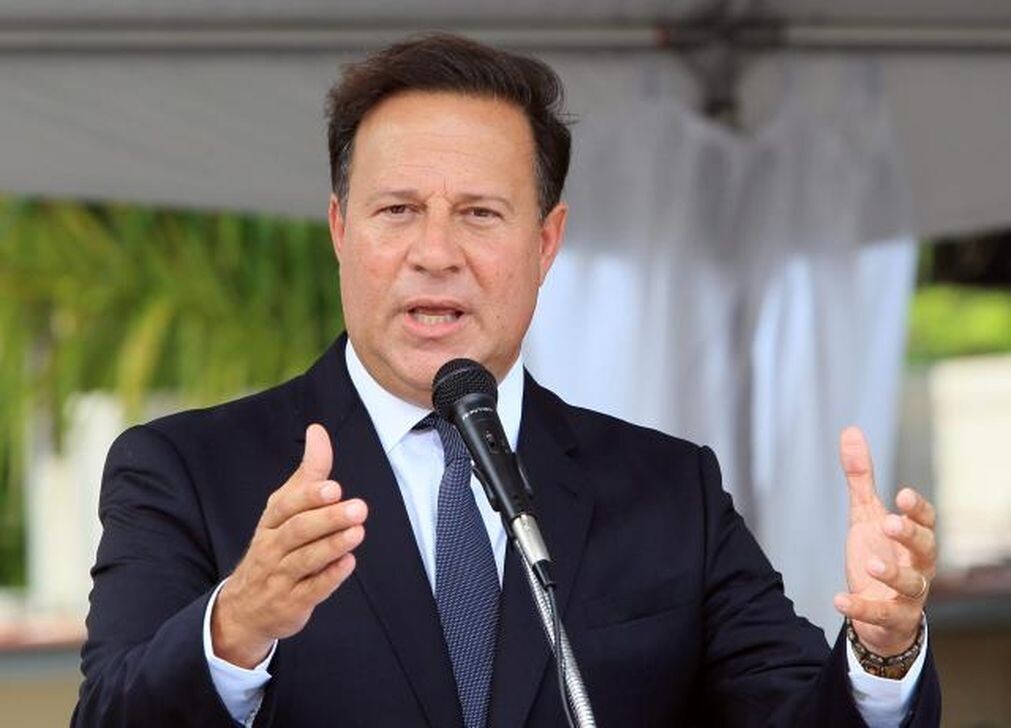
Panama has become a case study for China on how it mixes diplomacy, business, and politics to gain ground in key countries. According to the Infobae report, Chinese influence was not improvised. Beijing classified Panama as a 'strategic' country due to the Canal and the maritime-commercial ecosystem surrounding it, which motivated a structured diplomatic and economic offensive. Experts cited maintain that China's bet was placed on the political fragility of the moment: a Panamanian administration open to quick deals, with weak oversight, and with a former president acting as a direct interlocutor without the filters that usually accompany high-impact national decisions. Analysts add that China sought to operate with a 'silent penetration' approach, prioritizing ties in sectors where the country holds high strategic value: logistics, technology, and regional projection. Finally, the report warns that Chinese influence was sown at various levels, even after the end of the Varela administration. The current view: less noise, same route Although the political context has changed, Infobae points out that China has not abandoned its interest in Panama; it has simply adjusted the pace. An article published by La Verdad Panama states that a report by Infobae reignited the debate on foreign interference in Panama by detailing how the Chinese government would have used former President Juan Carlos Varela as a bridge to influence strategic sectors of the Panamanian state. What was initially presented as a diplomatic and commercial rapprochement ended, according to the investigation, mutating into a calculated operation to gain presence in sensitive areas of the country. An accelerated relationship According to Infobae, the 2017 diplomatic shift opened the door to a relationship that advanced faster than Panamanian institutions could oversee. Varela enthusiastically pushed the Chinese agenda, offering access to logistical, technological, and commercial spaces without proper controls and checks. The report details that since then, Beijing identified opportunities to position itself in sectors where Panama is particularly vulnerable: infrastructure, maritime transport, connectivity, and even areas related to security. Moves that raised alarms According to Infobae, the Chinese strategy took advantage of weak institutional oversight and the personal closeness with the former president to establish influences that continue to spark debate today. Among the points highlighted are: Infrastructure projects presented as cooperation, but tied to Chinese geopolitical interests. Approaches to the country's economic and decision-making logistics spaces. Diplomatic moves aimed at consolidating presence in a territory strategically important for global trade. The report also emphasizes that in Washington, these advances did not go unnoticed. Relations continue, but now under greater scrutiny from the United States and local sectors that view the reactivation of projects or agreements with more caution. What is clear from the report is that the chapter initiated by Varela opened an axis of influence that is still a subject of analysis, debate, and geopolitical concern today.