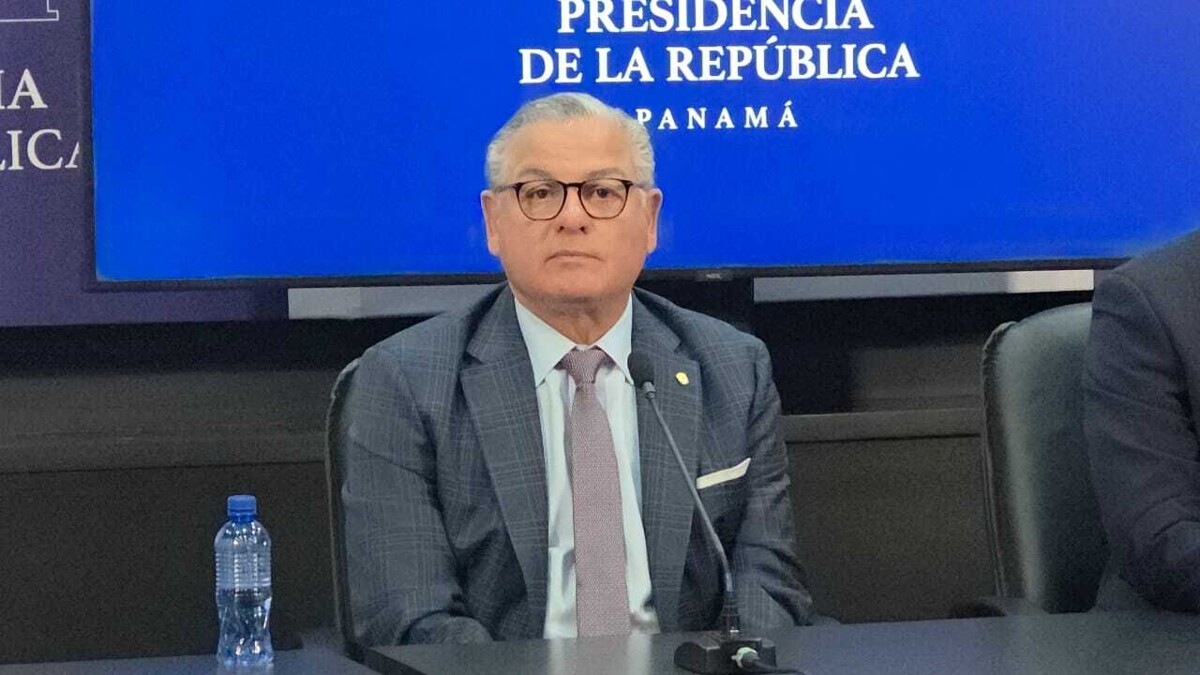
The Controller stated that the State would save $2 million by eliminating the '20/20' mechanism, which provides $20,000 to each deputy. 'They learn quickly,' the Controller said sarcastically. Anel Flores also pointed out that in the National Assembly, there are deputies who, as candidates, criticized the allocation of cars and bodyguards, but today they enjoy these benefits, including the '20/20'. Flores noted that these same deputies are eager to continue appointing people, as they have political commitments, reminding that the Assembly is a political body. The Controller explained that the '20/20' mechanism consists of allocating $20,000 per deputy, with which they can appoint up to 20 people within the Assembly. He indicated that around a thousand people have been appointed under this figure. He affirmed that he is in favor of eliminating the '20/20', as the State would save $2 million monthly in payroll. 'There are 3,000 officials in the Assembly, outside of the '20/20'. There are a couple of positions here...', he added. Flores warned that the period of relaxation is over and announced a resolution to eliminate signatures as a method of verifying attendance. 'Those who don't clock in, don't get paid,' he stated, pointing out that this has already been communicated to the President of the Assembly. The Controller expects that starting January 1st, the number of appointments will decrease, as it concerns non-permanent personnel. He indicated that the Assembly's payroll, which currently stands at around $7.1 million, should be reduced to $5 million, and assured that he has the authority to curb waste, although he clarified that it must be done with care and institutional balance, as he cannot directly fire personnel. 'There's a bit of everything: lawyers, engineers, and even astronauts,' he questioned.