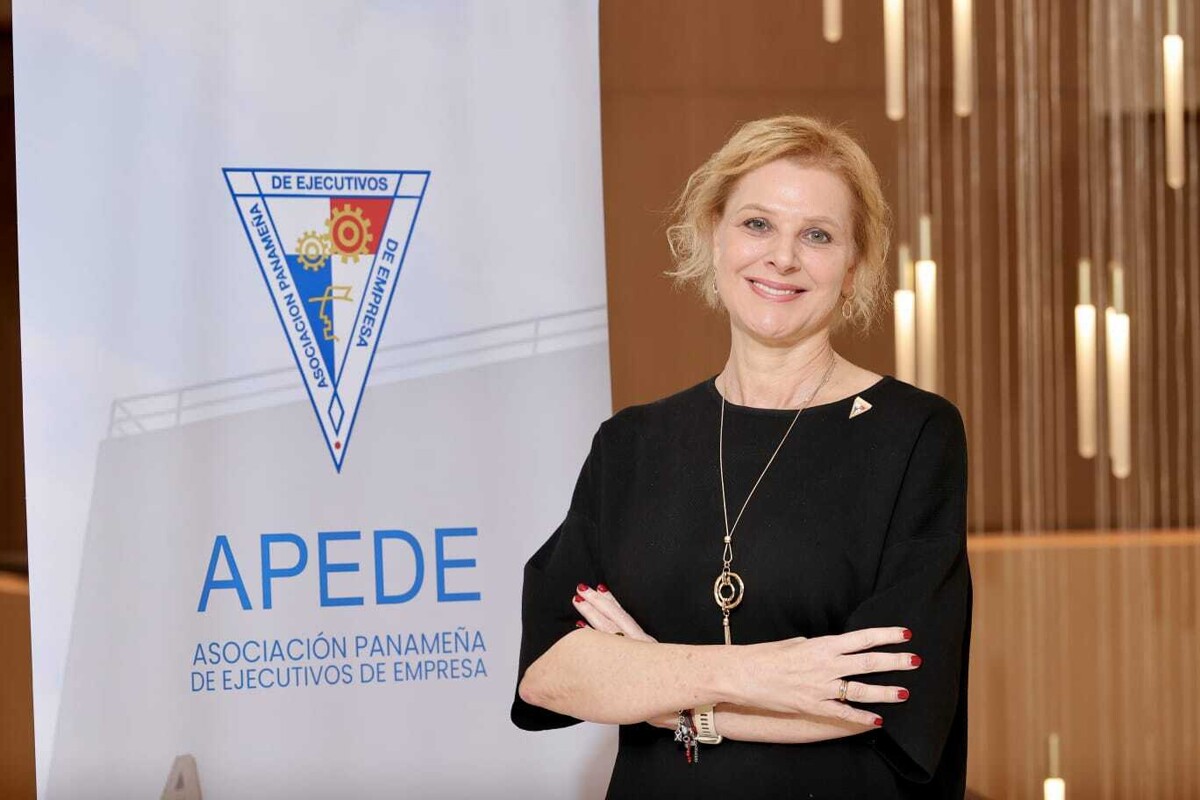
Panama needs more data, more listening, and less imposition. 2025 was also marked by a complicated international environment. It was an intense period, fraught with social tension, difficult decisions, and collective fatigue that is felt on the streets today. Despite the outlook, it is argued that Panama still has a clear way forward: face reality, dialogue, and build consensus. In his view, one of the errors the country cannot continue to repeat is resolving major national issues through confrontation. The recent reform to the Social Security System highlighted a flaw that has dragged on for years: discussion is late, when the conflict has already exploded. In contrast, projects like Río Indio show the importance of planning with a national vision, ensuring water for the Canal and the population, without trampling on communities. Finally, the agreement reached at the minimum wage table left a positive signal: when dialogue is based on economic reality, it is possible to reach agreements. 2025 left scars, but also lessons. 2026, as business leaders agree, must be the year Panama moves from conflict to consensus, and where progress is felt on the streets, at work, and in homes. There were decisions that generated concern, but it also became clear that Panama maintains its institutional maturity. The Canal is Panama's, not as a political slogan, but as part of its identity and its future. Economically, the balance turned out to be more favorable than many anticipated. After months hit by protests and closures—with strong impacts in provinces such as Bocas del Toro—the economy showed its capacity for recovery. In the third quarter of the year, the real GDP grew by 3.9%, and the accumulated growth between January and September reached 4.2%, which allows projecting a close to 4% or 4.5% end to the year, even in a challenging scenario. This growth was driven by the Panama Canal, logistics, transportation, tourism, the financial sector, and commerce. However, it was not uniform. Agriculture and some industries declined, making it clear that growth, by itself, does not guarantee well-being. And there is the central point: if growth is not felt in employment, services, and people's pockets, it does not fulfill its function. When the citizen does not perceive real opportunities or a state that responds with efficiency and humanity, the figures remain cold. Facing 2026, the country has decisions that can no longer be postponed. Changes in the United States' agenda forced the country to move with caution. That trust is not rebuilt with speeches, but with clear rules, visible results, and a real fight against corruption. The mining debate remains open and left real economic impacts in the country's interior provinces. Any future decision, they warn, must be based on clear audits and firm rules. For Giulia De Sanctis, president of the Panamanian Association of Business Executives (APEDE), 2025 was not just any year. On this path, Bill 291, the General Anti-Corruption Law, appears as a concrete opportunity to strengthen institutions. The third is to assume strategic projects with responsibility and transparency. Formalization continues to be complicated, costly, and slow, which pushes many to remain outside the system. The second is to restore trust in the public sector. The first is to directly confront unemployment and informality, a reality that affects thousands of families.