The judicial decision, its operational implications, and local and international reactions have marked a sequence of events that the government seeks to channel through an orderly transition process. Below is what is known so far.
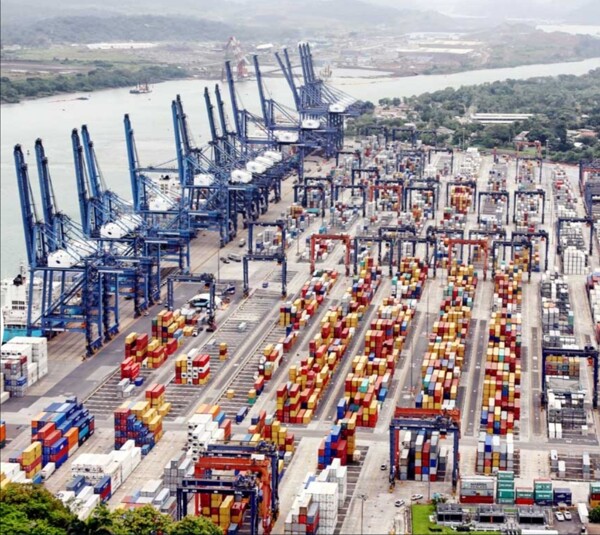
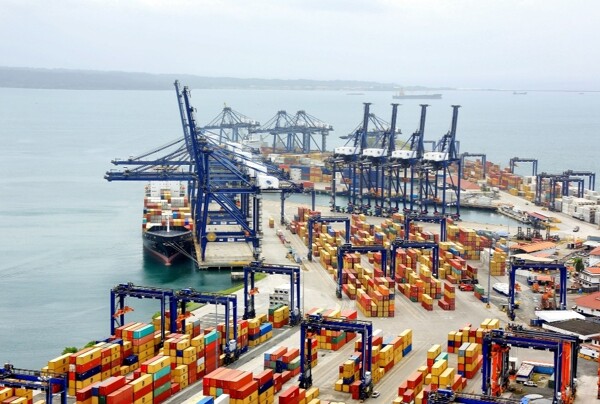
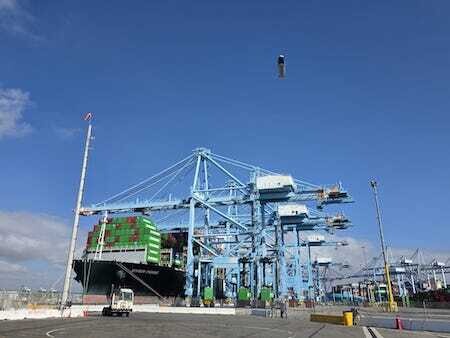
The Supreme Court Ruling The full panel of the Supreme Court of Justice declared the concession contract for the ports of Balboa and Cristóbal, operated by Panama Ports Company, a subsidiary of the CK Hutchison Holdings conglomerate, unconstitutional. It noted that the government had been working for a year on a contingency plan in case of an adverse ruling and assured that until the judicial decision is final, the Maritime Authority of Panama will coordinate with Panama Ports Company the operational continuity of the terminals, with no changes in operations.
The Transition Period The president explained that once the ruling is final, a transition period will open before a new concession is awarded. He clarified that he is not part of the ongoing legal processes nor does he participate in decisions about the future structure or administration of the ports, either in the short or long term. He also indicated that he reserves the right to take legal action in Panama or other jurisdictions.
The President's Statement A day after the ruling, President José Raúl Mulino addressed the nation to explain the scenario and the steps planned by the Executive Branch. To coordinate this process, he appointed a technical team and ordered the Maritime Authority of Panama and the Ministry of Labor to accompany the process, with an emphasis on labor stability and the continuity of port services.
The Role of APM Terminals In this context, APM Terminals confirmed that it is willing to temporarily assume the operation of the ports of Balboa and Cristóbal during the transition phase. The Hong Kong government, for its part, expressed its opposition to any measure that, it indicated, improperly affects Hong Kong companies and warned its companies to carefully review their current and future investments in Panama.
Panama Ports Company's Position Panama Ports Company stated that it had not been formally notified of the judicial decision and defended that its concession was granted through an international bidding process. The company maintained that the ruling lacks a legal basis and warned about possible impacts on labor stability and the country's legal security.
The Origin of the Legal Process The judicial decision comes after an audit by the Comptroller General's Office, which questioned the 25-year extension granted in 2021 to the original contract signed in 1997. The Comptroller filed the lawsuit before the Supreme Court, alleging alleged irregularities in payments, accounting aspects, and the renewal process, as well as the lack of endorsement from his office in the contract extension.
What Remains to Be Defined Among the pending issues are the formal execution of the ruling, the administrative definition of the transition scheme, the framework under which a new concession will be called, and the eventual resolution of the legal actions announced by the concessionaire company. Meanwhile, the Executive Branch has reiterated that port operations will continue without interruptions and that the process will be carried out in stages.