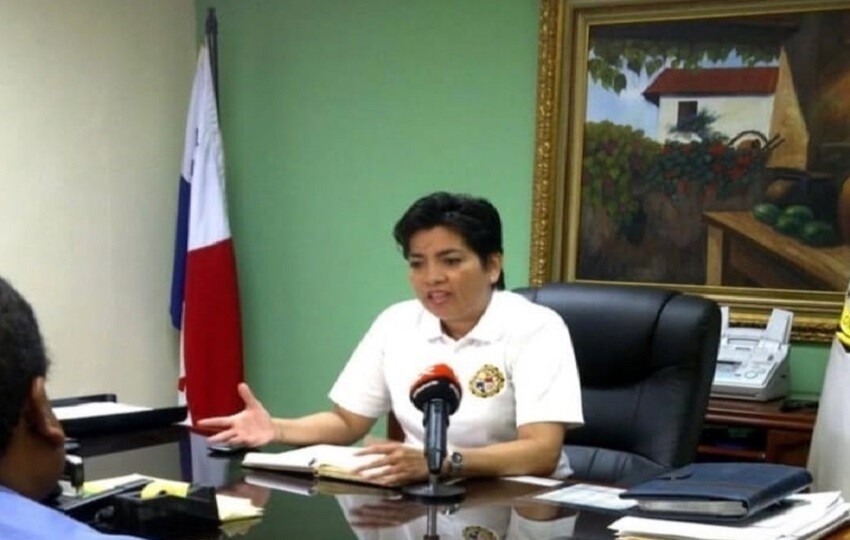
The testimonial phase in the Odebrecht case in Panama concluded without one of the key witnesses proposed by the prosecution. Judge Baloisa Marquez confirmed that it was not possible to serve a judicial summons to the former police officer, Damaris Rodriguez. According to the judge, all necessary measures were taken to locate her. The court sent an official request to the police department's Human Resources office to formally notify the former agent. However, the entity responded that Rodriguez no longer had an active employment relationship because she had retired days before the summons was attempted, which prevented its execution. The judge also added that the notification was returned unprocessed. In an additional attempt to locate her, a phone number for an attorney who expressed interest in contacting her was provided, although he later stated he did not know her whereabouts. Defense attorneys questioned the financial reports prepared by the former official. Rodriguez's appearance caused displeasure among the defense lawyers, who maintain that the former official prepared financial reports in an unusually short time without having the necessary expertise in accounting. They intended to challenge these elements during her cross-examination. In this scenario, the court noted that it was not possible to execute the summons before the close of the evidentiary phase, a crucial stage where the parties incorporate their testimonies into the judicial debate. In this way, the Odebrecht process in Panama moves towards the final stage of closing arguments, which will begin on Monday, February 23, as indicated by Judge Baloisa Marquez.