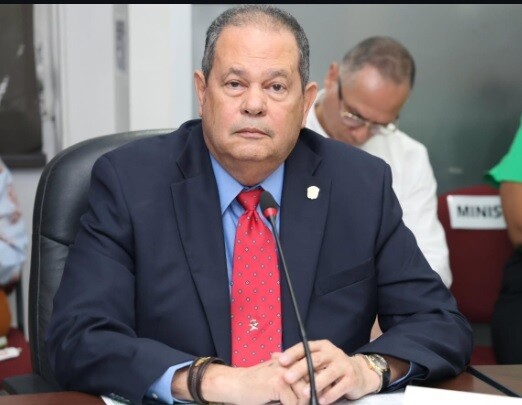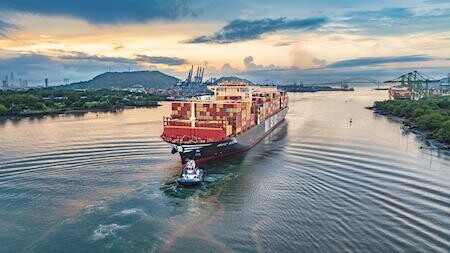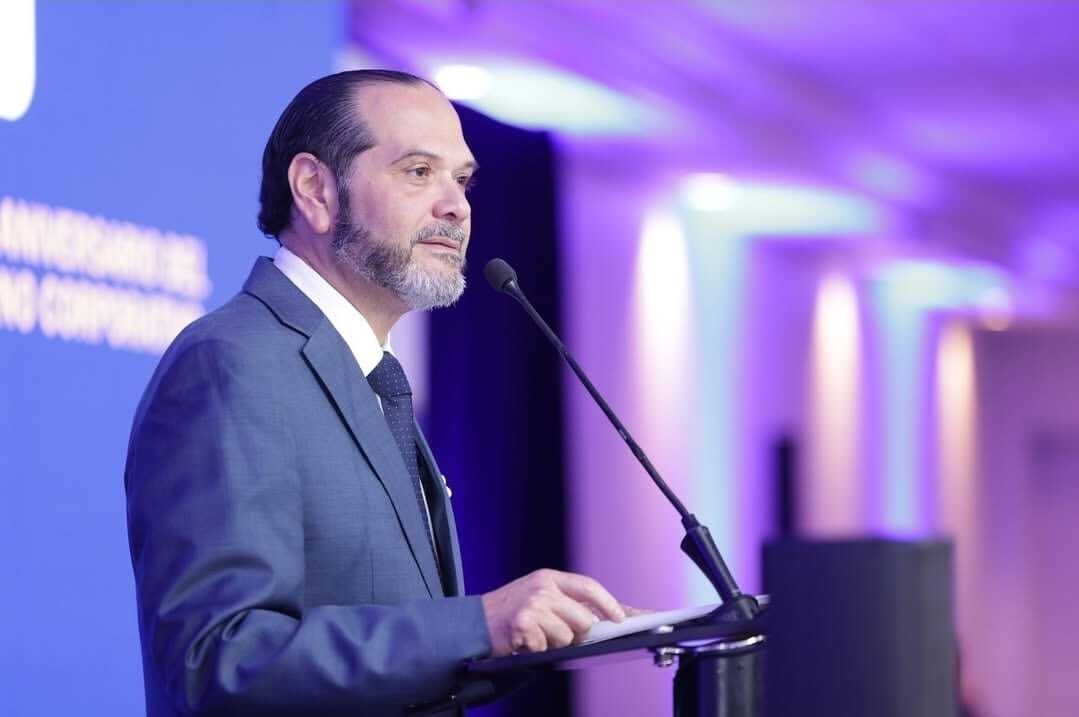
Temístocles Rosas, former president of the National Council of Private Enterprise (CoNEP), stated that Panama is prepared to fight in international arbitration with "weighty arguments" after having been "harmed" by contracts managed unfairly. Rosas backed the ruling of the Supreme Court of Justice of Panama, which declared the port contract unconstitutional, and the State's decision to retake control of the ports. He considered the judicial decision a turning point that forced the executive branch to intervene to guarantee the continuity of operations at the country's strategic terminals. In his view, the measure was not only necessary but inevitable against a model that ended up disproportionately benefiting the concessionary company to the detriment of the Panamanian State. "The country was not receiving what it was owed. The company was prioritized above the national interest," he stated, distancing himself from the scheme that governed port operations for years. The businessman emphasized that the impact of the port and logistics sector transcends its direct contribution, noting that its total effect exceeds 35% of the Gross Domestic Product (GDP), which makes any distortion in this area a large-scale problem for the economy. In this context, he warned that the loss of competitiveness in Panamanian ports was partly linked to decisions made by the operating company that did not favor the country's development. Despite the uncertain scenario, Rosas insisted that Panama has solid arguments to face any process in international instances such as the International Chamber of Commerce. "They have their right to go to arbitration, but we have ours too. Panama has been harmed, and we are going to substantiate that," he affirmed. He stated that these same events open the opportunity to redefine the rules of the game under more favorable conditions for the country.