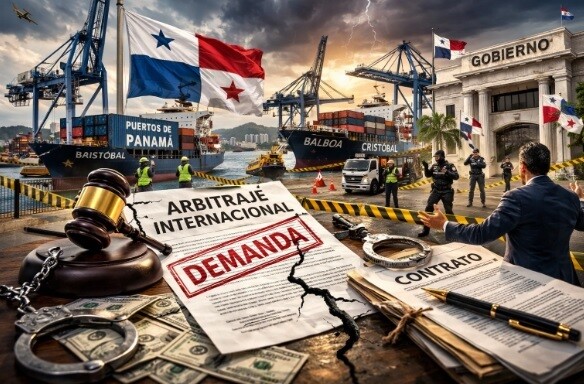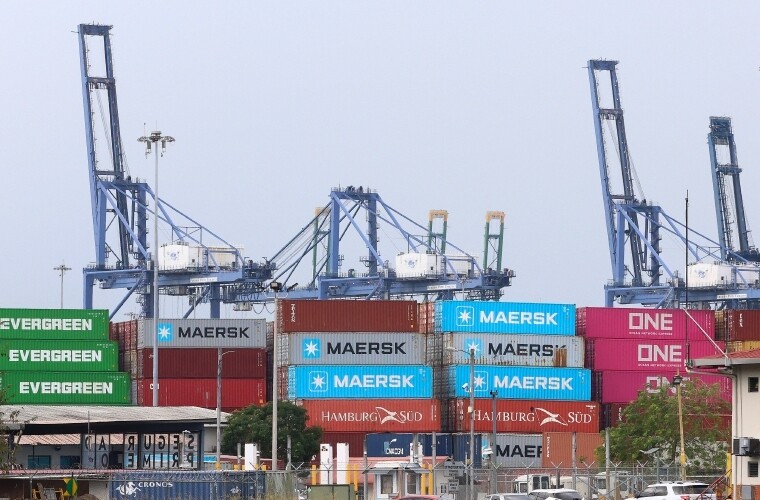
The Supreme Court of Panama ruled the contract between the Panamanian state and the company Panama Ports Company (PPC), former administrator of the Balboa and Cristóbal ports, unconstitutional. According to magistrate Olmedo Arrocha, this ruling will be a fundamental tool to face the arbitration filed with the International Chamber of Commerce in New York, United States. He explained that in investment cases, arbitrates evaluate the grounds for the claimant's action, meaning the reasons for the expropriation, and it is very likely that PPC will argue that the Supreme Court of Justice's (CSJ) decision caused the government to take over the administration of both terminals. After examining the contract, the magistrates determined that it was not economically beneficial for the state, despite the significant boom in the logistics and port sector. PPC strikes back PPC, for its part, reiterated in a statement that Panama has “disregarded the rule of law, during and after its radical occupation, search, and confiscation” of the ports. It also questioned that the country has not responded to the legal action within the allotted time and is withholding the investor's documents. International media report that Chinese authorities are detaining Panamanian vessels in their ports in response to the decision. According to Lloyd's List, as of March 12, 28 ships have been detained and the number is expected to rise. Various sources have informed the outlet that there will be a greater escalation by China.