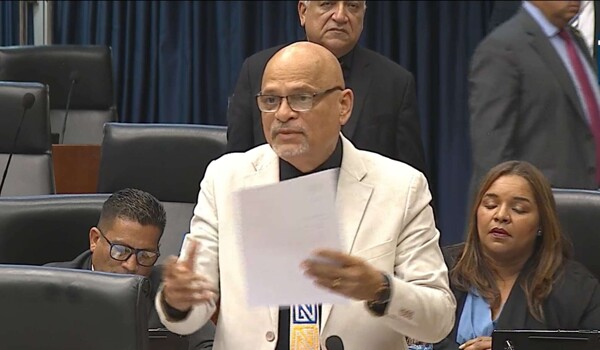
In Panama, the legislative debate has recently focused on Bill 306, which has already been approved in its second debate and aims to regulate extrajudicial debt collection activities to protect consumer privacy.
However, the proposed regulation seems to go beyond this framework by imposing restrictions that could be seen as a disproportionate intervention in free enterprise and the legitimate right of creditors to manage the recovery of their assets.
One of the most critical points is the rigidity in the frequency and timing of contact. While the goal is to prevent threats, this provision could violate the debtor's right to information, depriving them of knowing the real legal implications of their default, which is part of the legitimate exercise of a right.
Even more concerning is the provision that prohibits making payments to avoid or interrupt the statute of limitations on the debt. Although the bill invokes the right to privacy, centralizing this information in an administrative body could pose a systemic risk if not handled with proper protocols.
In conclusion, while harassment is a reality that must be combated, the solution cannot be a law that weakens legal security and the fulfillment of contractual obligations. If a debtor, in the exercise of their right, decides to make a payment to keep their credit active and avoid litigation, the state should not invalidate this action under the pretext of a protection that ends up being paternalistic and distorting the civil order.
Similarly, the obligation to store digital records of each interaction for two years and make them available to the Consumer Protection and Competition Defense Authority (ACODECO) upon request raises questions about the proportionality of the administrative burden and the security of personal data.
For example, it prohibits mentioning potential consequences of uninitiated judicial proceedings, such as seizures or attachments. While the bill's justification is based on the laudable—and to some extent idealistic—intention to curb harassment and protect human dignity after the Covid-19 economic crisis, whose effects still persist, a rigorous legal analysis reveals aspects that could directly clash with our Constitution.
The bill is based on Article 282 of the Political Constitution, which empowers the state to guide and regulate economic activities according to social needs. By limiting collection efforts to one phone call per day and one home visit per week, the legislature is, in practice, weakening the effectiveness of extrajudicial collection mechanisms.
Bill 306, in its current form, risks becoming a tool of 'populist legislation' that, instead of balancing the creditor-debtor relationship, ends up creating a shield of impunity that affects confidence in the national credit market.