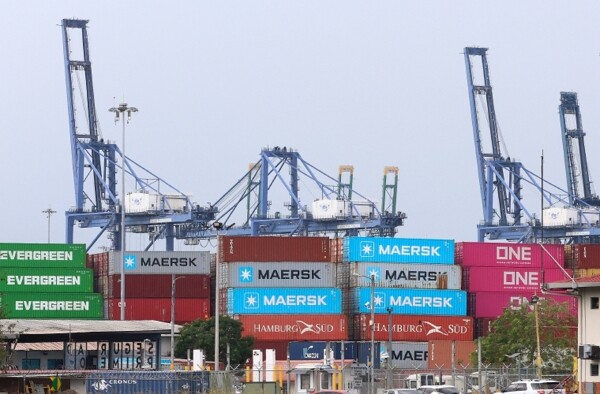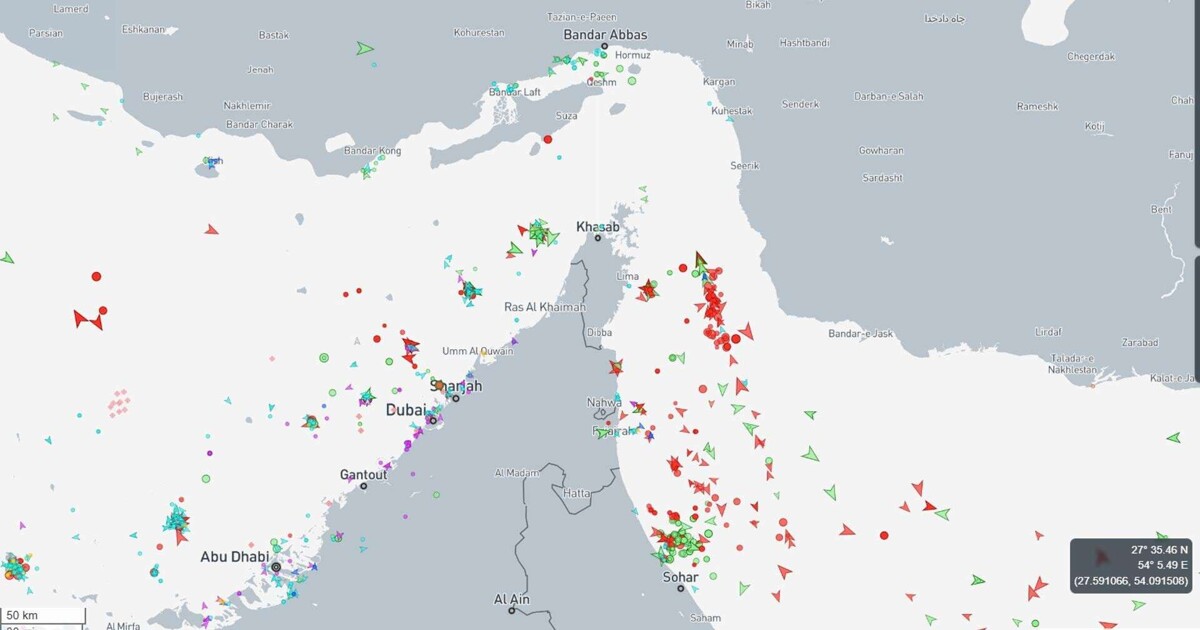
War brings out the worst and the best in people. The world moves differently. Conflicts alter air routes, make transportation more expensive, and generate waves of migration. War, even a distant one, has close effects and becomes a mirror that reveals social fractures. But it can also awaken solidarity: aid campaigns, donations, and support for migrants. The feeling of being watched becomes normalized. And when it all ends… nothing is ever the same. War leaves scars that are not always visible. When the conflict invades your routine without permission. Wars no longer stay on maps. Even those living far from the conflict feel emotional exhaustion that they can't always name. War doesn't just destroy cities: it disrupts lives. War becomes background noise that shapes daily life and affects family savings. The stress of living in a more fragile world. Constant exposure to news of violence generates collective anxiety. Political debates, factions, and distrust arise. The war in the Middle East has caused one of the biggest supply disruptions in decades, reducing the flow through the Strait of Hormuz — through which nearly 20% of the world's oil passes — to a minimum. Logistics chains become slower and more expensive, affecting everything from medicine deliveries to the availability of spare parts. Technology and surveillance: new routines, new rules. Governments tend to respond to conflicts with more controls: stricter borders, tracking systems, and additional checks. The economy takes time to recover, social trust is rebuilt slowly, and people carry emotions that don't disappear overnight. Adjustments can take between 6 months and 2 years, depending on the conflict's duration and the recovery of trade routes. The wallet is the first to know. You don't need a bomb to fall nearby to feel the impact. And even if prices fall, routes open, and markets stabilize, human wounds take much longer to heal. The author is a former Minister of Housing and a Master's student in Territorial Planning for Sustainable Development / University of Panama. Today, an armed conflict can change the routine of someone who has never seen a tank. Oil: the immediate thermometer of the conflict. Energy markets react with surgical sensitivity. When oil prices rise, everything rises: transport, food, electricity, and construction materials. A conflict can add between 8% and 15% to the cost of a basic basket in import-dependent countries. Jobs and opportunities to buy homes, cars, and other things are lost. You don't need to be in the combat zone: just open your phone. Even if they happen thousands of kilometers away, their effects seep into daily life: in prices, family decisions, the emotional atmosphere, and how societies relate. Families feel the blow without needing to understand the markets. Receiving cities face pressure on public services, housing, and employment. This changes daily life: more paperwork, more waiting, and greater dependence on digital platforms. Information saturation — videos, rumors, analysis, raw images — causes emotional exhaustion and a permanent sense of vulnerability. Social coexistence also suffers. External conflicts often reactivate internal tensions. Polarization creeps into the family table, the workplace, and chats. Uncertainty also stalls decisions: big purchases, investments, trips, and family projects are postponed. This has forced Gulf countries to cut millions of barrels per day, causing a global shock. Historically, oil prices spike sharply in the first days of a conflict:• After Russia's invasion of Ukraine in 2022, Brent rose almost 30% in two weeks.• After 9/11, it rose 5% in one day but fell 25% in two weeks due to fears of a recession. The rule is clear: it goes up fast, comes down slow.