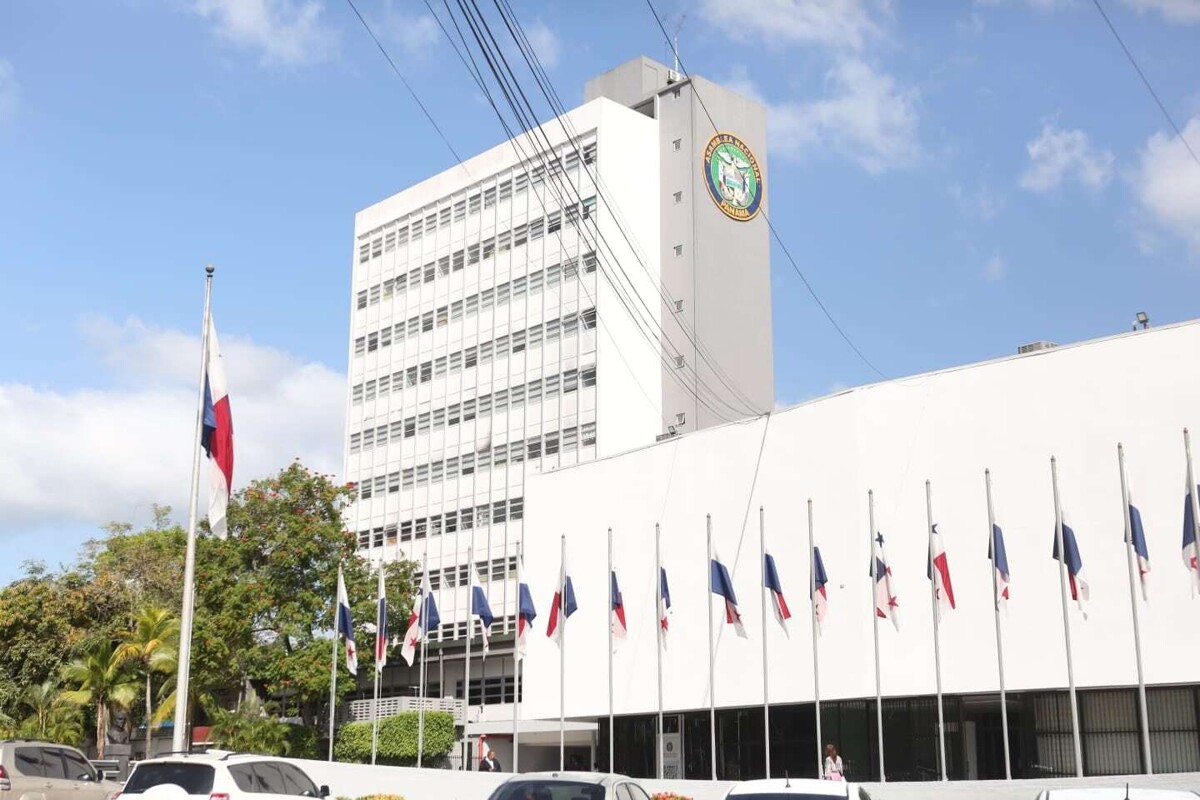
The National Assembly of Panama has resumed the initiative to reform its internal regulations. This process is in its initial phase and involves reviewing 18 bills to reach a proposal to be treated in a first debate in the Credentials Committee. Although it is a long-standing demand from civil society and activists, the initiative is late and insufficient in the face of the privileges and ethical gaps that have undermined the credibility of the legislative branch for years. While society pointed to excesses such as using the payroll as a spoils system and an increasingly bloated budget managed with discretion, the Assembly has so far chosen to address operational issues: a maximum ten-day deadline to form committees and the obligation to debate bills in the order they were presented, among other functional matters. None of these changes included substantive measures. The report highlights the absence of open data, deficiencies in the publication of information about deputies and their teams, the lack of regulation of lobbying, and the non-existence of public records of meetings or gifts received by lawmakers. Despite this scenario, there are some positive signs. A total of 71 deputies voluntarily shared their statements of interest and assets through the Espacio Cívico platform. However, their initiative did not receive backing in the majority blocs. The Assembly remains one of the state bodies with the most privileges and the least oversight, and the reforms under discussion barely touch on this problem. If the Assembly truly wishes to regain public trust, it must go much further than administrative adjustments and assume reforms that reduce privileges, strengthen accountability, and raise the ethical standards of public office. Otherwise, any change to the regulations will be perceived as a symbolic gesture, not an institutional transformation. For example, deputies are allowed to practice their professions—such as law—while holding office, something prohibited for most public officials. Another questioned practice that persists is the hiring of relatives within legislative offices. It is the only state body where a family nucleus can work in the same office without facing sanctions. The rules to prevent these administrative infractions exist, but no one wants to apply them. International indicators reflect these weaknesses. Even today, some of these provisions are not even complied with within the legislative body itself. In the 2023 Latin American Legislative Transparency Index, prepared by the Foundation for the Development of Civil Liberty, Panama ranked tenth among the 14 countries evaluated.