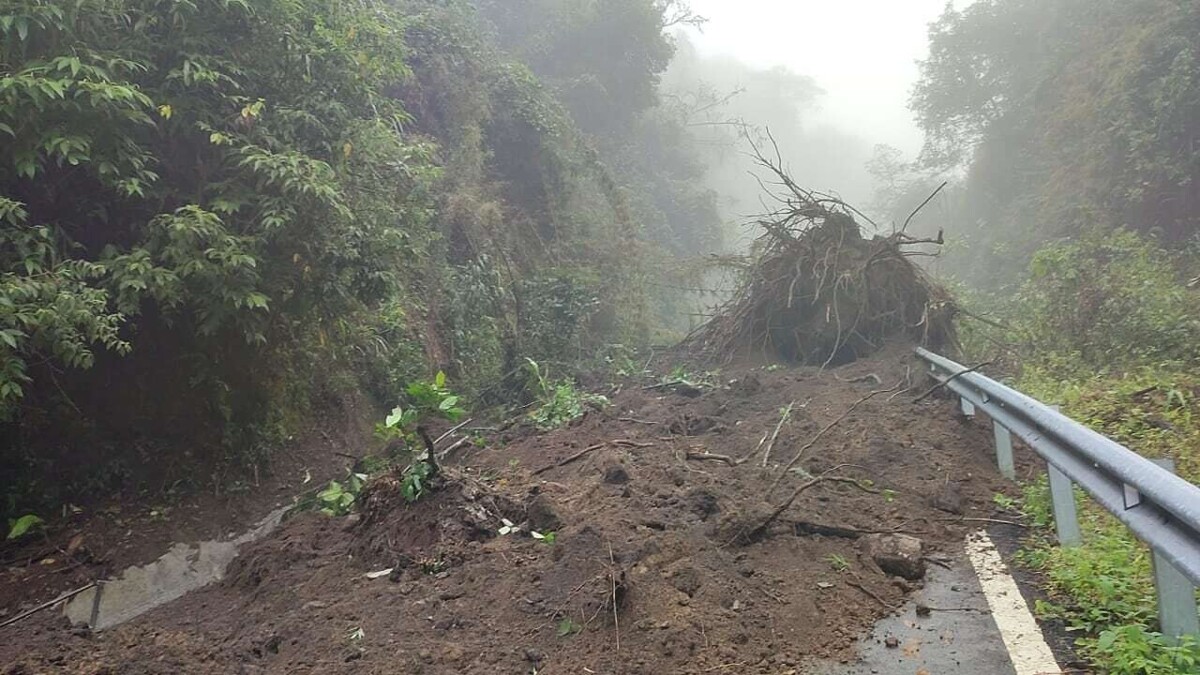
This question reveals a deeper problem: a development model that prioritizes immediate economic growth over territorial sustainability. Open spaces, known as natural areas, play a fundamental role in water management. Integrating technical knowledge with citizen participation facilitates the advancement towards effective and inclusive solutions, capable of responding to the natural dynamics of water without compromising development. The crisis evidenced is not only a consequence of natural phenomena but of the model with which humanity has intervened in the territory. Recognizing the value of natural systems and reducing the ecological footprint is key for water to cease being a threat and become a factor of environmental and social balance. The author is a structural engineer and a student of the Master's in Landscape Management and Environmental Management at the University of Panama. Furthermore, the lack of integration between territorial planning and the natural flow of water limits opportunities for sustainable community development, affecting both social well-being and environmental balance. Faced with this panorama, it is necessary to rethink the way territory is understood and managed. While water is one of the most important resources for life and development, its behavior during extreme events can transform it into a risk factor when interacting with vulnerable territories. The loss of vegetation cover, the occupation of risk zones, and modifications in riverbeds intensify the effects of precipitation, which increases the ecological footprint and reveals a clear environmental illiteracy in territorial intervention. The results are evident: vulnerable communities, damage to infrastructure, and environmental deterioration. In this sense, a key question arises: is the territory being properly managed according to water behavior, or do we continue to intervene without considering its natural flow? At various points in the Panamanian territory, rains have become a phenomenon that evidences the close relationship between water, open space, and communities. These areas facilitate the absorption, conservation, and natural flow of the water resource. However, when rains exceed certain levels or these spaces are altered without adequate planning, their response capacity is limited. This situation also exposes deep inequalities, as sectors with fewer resources are usually the most affected, revealing a problem of social equity. The incorporation of strategies based on the restoration of open spaces, the protection of hydrographic basins, and sustainable planning can contribute to reducing risks and strengthening community resilience. Damage to homes and businesses, landslides, and floods are some of the consequences observed during the rainy season, affecting the safety and economic stability of the population. This scenario is not new. International bodies point out that more than 70% of natural disasters in Latin America are related to hydrometeorological events, which demonstrates the growing relationship between climate change and territorial management.