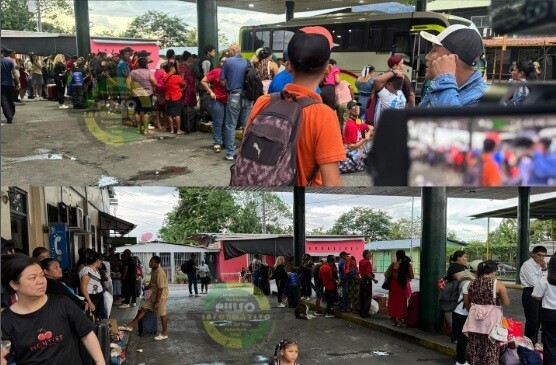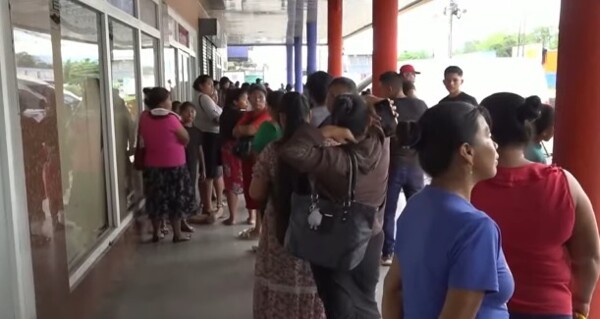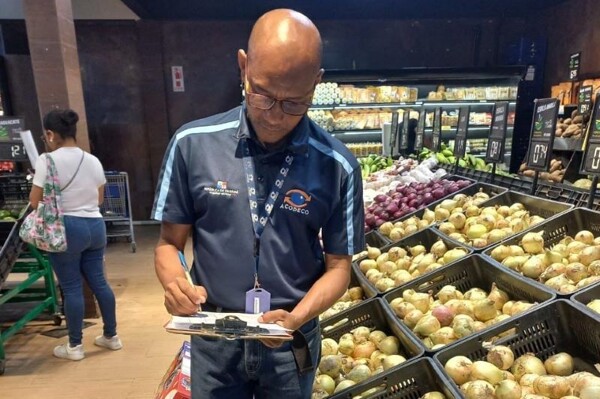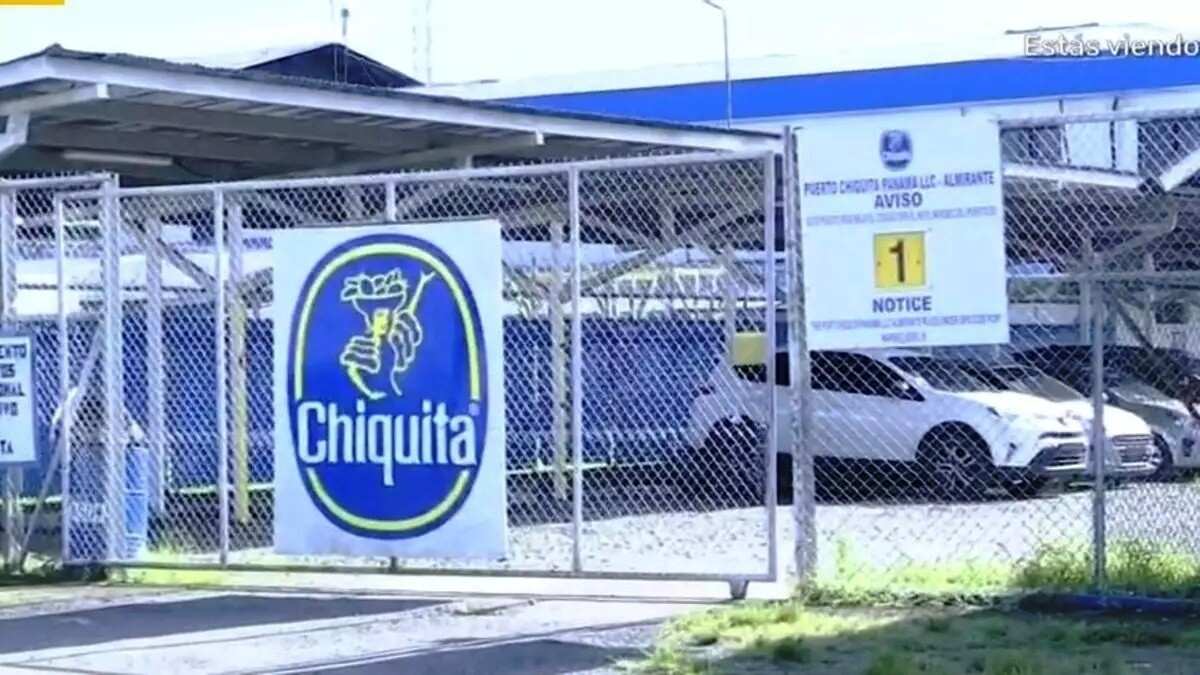
The multinational company Chiquita is now producing small quantities of bananas in Panama to test the behavior of the fruit and its packing plants as part of the process to reactivate its operations in the Central American country. The company, with a century-long presence in Panama, ceased its operations in mid-2025 when it reported million-dollar losses and fired around 5,500 workers amid a union strike over unrelated social security reforms. Currently, after resuming activity last November, production is 'very low' and is being sold in the local market, stated Gabarrete. This stage of the reactivation of operations 'serves us to observe the behavior of the packing plants that have been remodeled, but also that of the fruit that is being harvested. All of this production is destined for the local market and allows us to make estimates for a prompt export,' Gabarrete stated. The Chiquita Company reports an increase in banana thefts on various farms, losing up to 60% of production and jeopardizing economic activity in Bocas del Toro. There is no set start date for exports yet. The company stated that its goal is to export a product that meets international market standards, although there is currently no set date to restart shipments abroad. The reactivation of banana activity is developing gradually in the province of Bocas del Toro, especially in the Changuinola area, a region historically linked to banana cultivation. Last October, after several months of being shut down, the company announced the hiring of more than 1,000 workers for farm cleaning, a figure that has increased with the gradual reopening of other production areas. Changuinola, a city in Bocas del Toro located over 630 kilometers from the Panamanian capital and near the border with Costa Rica, has historically been a favorable area for banana cultivation, whose quality remains among the most highly valued on the international market, indicated Gabarrete. Chiquita's return to Panama has meant a change in its business model, now a sharecropping system in which five companies manage the human resources for production, while the multinational provides technical assistance, supervision, and marketing. This model has allowed the hiring of more than 1,800 workers in the first phase of reactivation, in a region where more than 80% of the economy depends on banana activity. 'As more hiring is done, economic activity will be much more noticeable' in this predominantly indigenous area, added Gabarrete. Banana remained Panama's main export product in the first quarter of 2025, representing 17.5% of external sales, which in that period reached 324.4 million dollars, the highest value in fifteen years, according to official statistics. The union stoppage caused the loss of about 5,500 direct jobs and affected some 20,000 people who depend on banana activity in the region, said the company spokesman. Currently, personnel are being hired for field work such as cleaning, fertilization, and pest control, as well as inexperienced workers who have been trained to join the activity. The company plans to reactivate about 5,000 hectares of banana out of a total of approximately 5,200 hectares dedicated to this crop. 'All this production is destined for the local market and allows us to make estimates for a prompt export,' explained the spokesman. Chiquita is focused on 'exporting a product that meets the standards required by the international market,' added the spokesman. Under normal conditions, the process from the appearance of the fruit to its harvest takes about 12 weeks. As part of its commitments with the Government of Panama, Chiquita reiterated its plan to invest more than 30 million dollars to reactivate banana activity in Bocas del Toro. Among the investments are the expansion of packing plants, the purchase of a fumigation aircraft valued at more than 1.5 million dollars, and the acquisition of agricultural supplies.