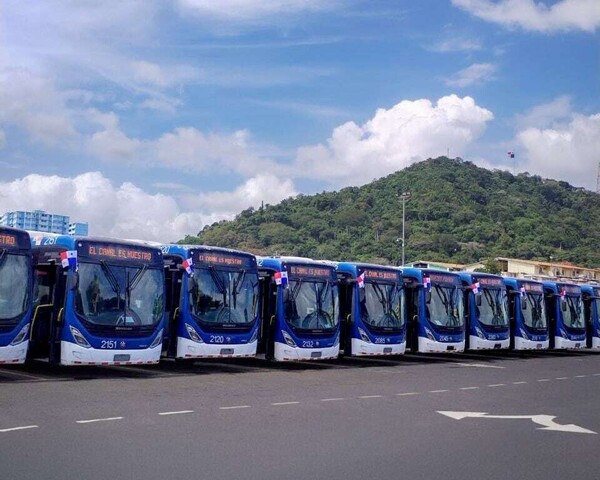
The fuel price increase that took effect in Panama has led the company MiBus to activate an operational adjustment plan that is already being felt in the service, especially during off-peak hours. These measures aim to contain an economic impact exceeding one million dollars per month in diesel consumption, without passing this cost on to users, which is why metrobus fares remain unchanged. However, the adjustments involve changes to routes, schedules, and frequency, which could affect up to 20,000 passengers daily.
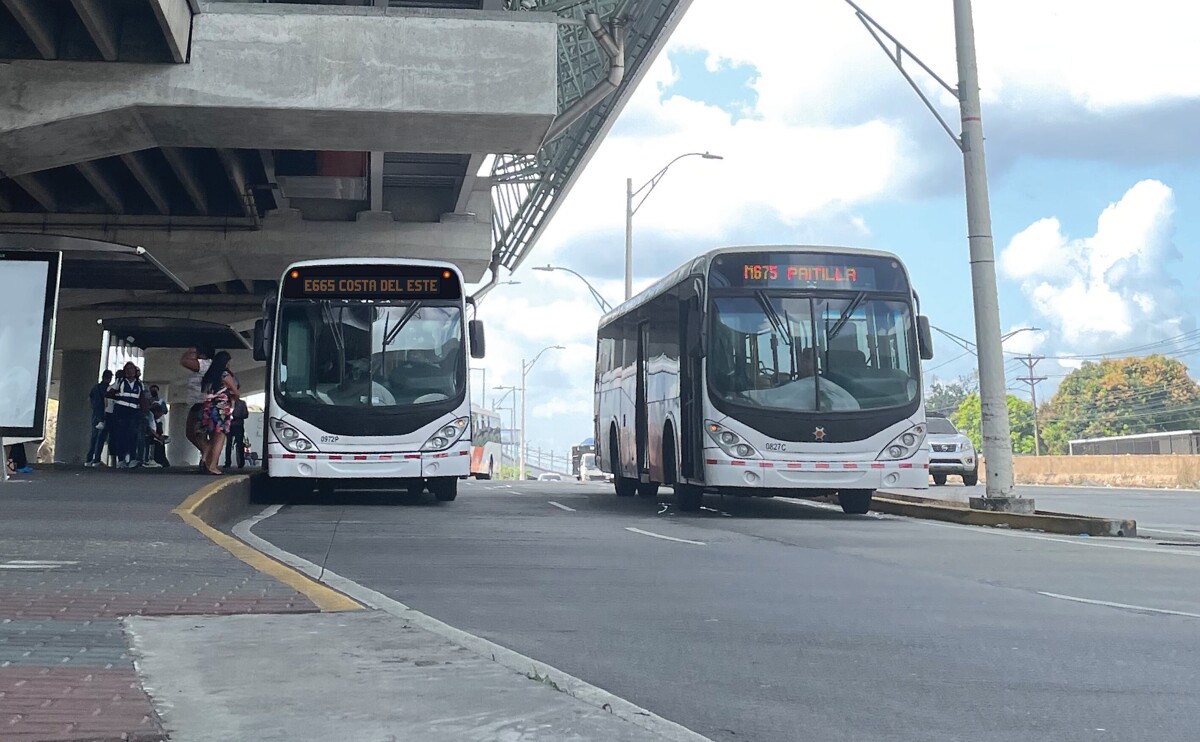
MiBus Routes with Reduced Frequency As part of the strategy, MiBus announced a reduction in the frequency of four routes that have identical paths to the Panama Metro, during the so-called valley hours, from 8:00 a.m. to 3:00 p.m. Find out which routes these are: E444: December 24 - Metro Fiftieth Anniversary - Metro San Miguelito. E484: La Siesta Payment Zone - Metro Fiftieth Anniversary - Metro San Miguelito. E504: Mañanitas - Metro Fiftieth Anniversary - Metro San Miguelito. V180: Metro Los Andes - Vía España - Calidonia - Albrook. The company recommends that users of these routes use Lines 1 and 2 of the Metro, which operate on electricity and do not depend on diesel.
Schedule Changes with Service Adjustments The main adjustments that will be fully implemented on these routes starting Tuesday, March 24, are concentrated in the so-called valley hours, related to lower passenger demand: From 8:00 a.m. to 3:00 p.m. Bus frequency on corridors is reduced. Fewer units in circulation. While during peak hours (morning and afternoon), the service remains unchanged. Additionally, priority will be given to mobilizing the largest number of users. MiBus indicated that these changes are dynamic and will be under constant monitoring to correct delays or failures in the routes.
Other Measures Already in Place In addition to suspending routes and adjusting frequency, the company is implementing other actions: Reduction of routes without passengers (up to 20% of current consumption). Priority use of more modern and efficient buses. Temporary withdrawal of 10% to 12% of the oldest fleet. Reorganization of routes parallel to the Metro. With this package, it is expected to mitigate between 60% and 65% of the impact of the fuel price increase.
Call to Use the Metro Authorities reiterate that public transport remains the most economical alternative in the face of rising fuel prices, and insist on prioritizing the use of the Panama Metro. Currently, the public transportation system moves about 450,000 people a day and will continue to operate with adjustments as long as oil price volatility persists.
The transport adjustment occurs in parallel with the increase in fuel prices: 95-octane gasoline: $1.14 per liter. 91-octane gasoline: $1.07 per liter. This increase is due to international factors, including geopolitical tensions that are pressuring the oil market.