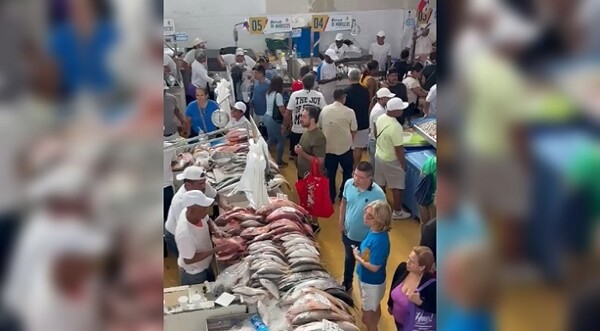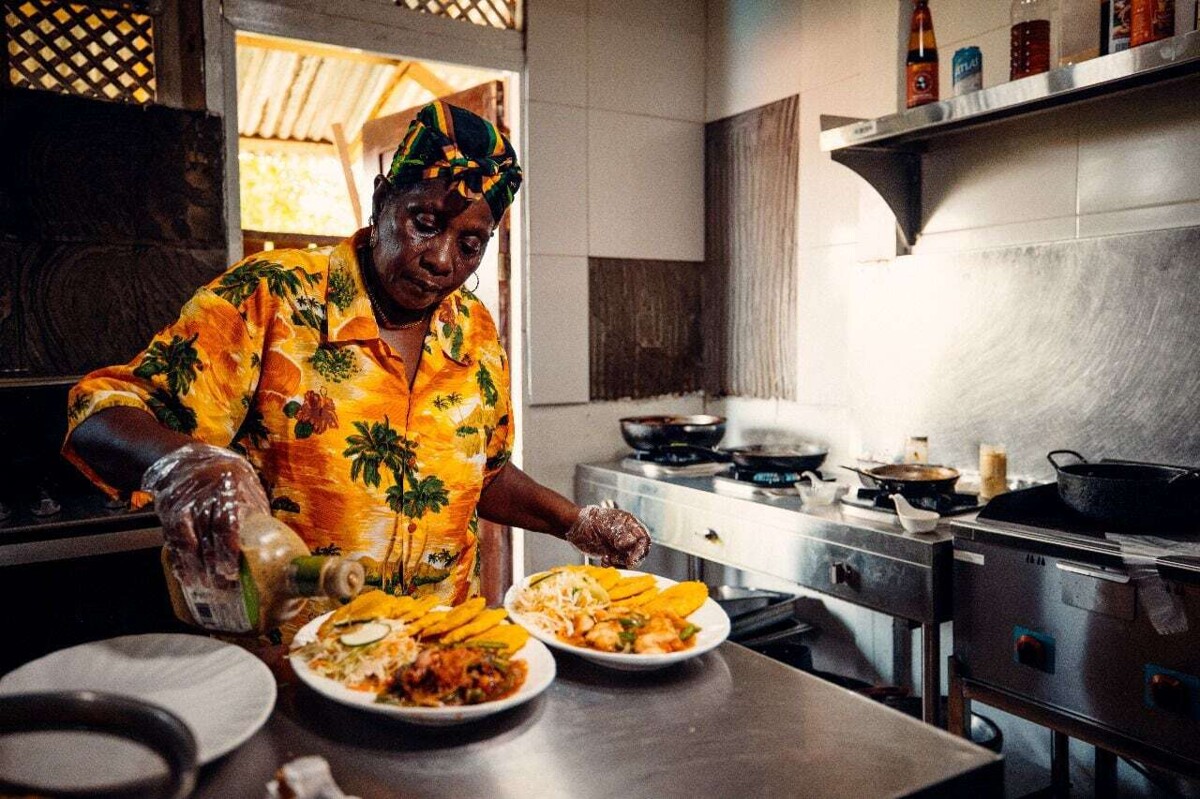
In Panama, flavors, knowledge, and cultural practices intertwine, shaping an experience that transcends the act of eating. However, amidst urban transformation processes, tensions arise that cannot be ignored. Provinces like Panama, Colón, and Darién stand out for preserving and proudly projecting their customs and flavors. Currently, projects aimed at optimizing and modernizing the city are being promoted, but these can generate side effects for those who uphold the identity of the place in their daily lives. Adopting a more efficient consumption model implies strengthening the bonds that already exist in the territory: from those who cultivate or source the ingredients, to the small vendors who distribute them, to the chefs who transform them into dishes full of history. In this context, the Rio Abajo district emerges as a vital point where the Afro-Antillean tradition is not only preserved but lived day-to-day through its gastronomy, small businesses, and community dynamics. However, there are moments when we all get excited about the idea of being transported to a universe of a unique flavor, such as the gastronomy of Afro descent. This culture, deeply rooted in our Creole heritage since the construction of the railroad and the Panama Canal in the 19th and 20th centuries, is an integral part of what defines us as a people. Traditional, international, and fused flavors coexist in different corners of this beautiful country. Every dish holds a story that deserves to be preserved, not as a distant memory, but as a living experience of our identity. Preserving these flavors is not about looking to the past; it is about sustaining who we are. The author is an architect and a gastronomy student. It is not about opposing progress, but about building a harmony where development does not imply the loss of heritage. Maintaining this balance not only preserves tradition but also strengthens a local economy that feeds itself. Because in the end, it is not just about approaching these flavors on specific dates, like the month of May, but about recognizing, valuing, and sustaining them year-round. It is not a marginal presence, but an essential component of our national identity. Over the years, Afro-descendant communities have achieved greater recognition of their culture and identity. These dynamics do not always manage to visualize all the actors who are part of this cultural and economic fabric. The challenge lies in achieving true integration. It is a close circuit, almost invisible, where everything happens in the same place and where each actor contributes to the sustenance of the other. Food represents, for many, a way of making memory, of our origins, of who we are, of where we come from, and perhaps, even of our purpose. This space could be profiled as a gastronomic corridor, where not only restaurants stand out, but also small vendors, producers, and traders who are an essential part of this network. Today, more than 30% of Panama's population identifies as Afro-descendant, representing between 1.2 and 1.3 million people.