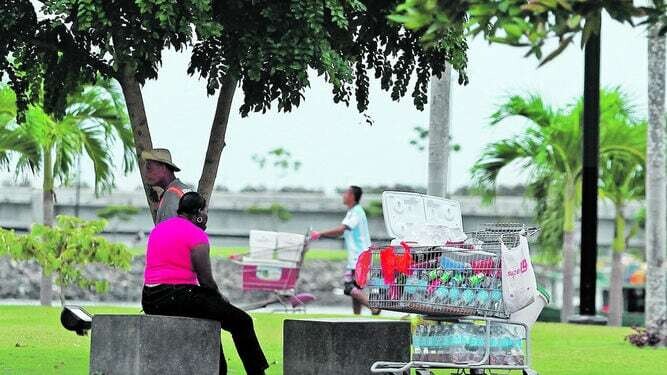
The most important thing is to allow that choice. The forgotten urban worker does not need speeches. In the end, the one who is left out is the worker who needed that extra income. Something similar happens in the restaurant sector, which in cities like Panama is an economic pillar. And the urban worker, the one who moves between several jobs and gigs, is once again made invisible. On the other hand, there is also no clear proposal from those who defend the free market. For example, portable benefits systems, where the worker can accumulate funds for health, retirement, or insurance without depending on a single employer. These workers do not necessarily want a traditional job. For years, it has been assumed that the city belongs to a single political vision, and this growing group of independent workers has been sidelined. They do not fit into a single category, but they sustain a large part of the urban economy. They are workers who live from day to day, often without a fixed contract, without traditional benefits, and without long-term security. What they need are tools that give them security without taking away their flexibility. This is where Panama has an opportunity. Instead of forcing everyone into the same mold, modern schemes could be created to accompany this new way of working. Ignoring them is not only an injustice but also an economic mistake. Because on those streets, in those long shifts, and in those informal jobs, is the true pulse of the city. They pay, they work, they sustain the economy, and yet, they do not appear at the center of the conversation. When a service becomes too expensive, demand drops. Trying to standardize everything under a fixed salary may seem fair, but it often reduces real income and employment opportunities. The result is paradoxical. This has created a void where no one truly represents them. The reality is more complex. The ability to decide when to work, how much to work, and how to organize their life. In Panama, this new forgotten person lives in the city. He is not the traditional worker that many politicians mention in their speeches. He is the platform driver who works on weekends to make it through the month. The problem is that no one seems to be really listening to what they need. In Panama, as in other countries, many labor proposals are still anchored in an old logic. If Panama wants to grow sustainably, it will have to start looking where it has always avoided looking. The author is a medical subspecialist. They need solutions that understand their reality. While politics focuses on ideological debates, thousands of Panamanians continue driving, attending, selling, and getting by as best they can. Who is the 'forgotten' one today? It sounds good in theory, but in practice, it can end up harming those who depend on flexibility to generate income. When you try to regulate this type of work without understanding its dynamics, you risk closing opportunities. Today, that figure still exists, but it has changed its face. Some will prefer variable income with greater potential; others, stability. Many prefer independence, even if it implies uncertainty. Waiters, cooks, and service staff largely depend on tips and variable schemes. More flexible labor models could also be designed in sectors like restaurants, where the worker can choose between different schemes according to their priorities. In this way, they maintain their independence but gain stability.