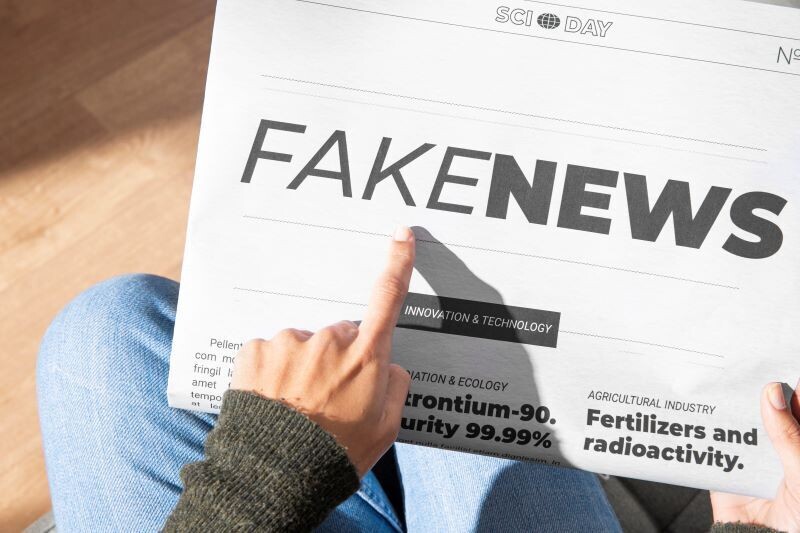
A news report from Panama reveals that 30% of fake news on the internet affects the food sector. According to the 'Health, Food and Fake News' report presented by the LLYC agency, this unsupported information spreads up to seven times faster than verified data, causing a progressive erosion of consumer trust in the supply chain and food safety. The study highlights that the technical complexity of nutrition, where most research is observational and does not confirm cause-and-effect, is exploited on social networks by new prescribers and influencers. These actors often oversimplify science, categorizing products under subjective 'good' or 'bad' labels without solid evidence. The report emphasizes the need for close coordination between industry, academia, regulators, and the media to promote media literacy among end-users. To mitigate this phenomenon, the report proposes a ten-point guide focused on transparency and nutritional education. LLYC's methodology for combating fake news is structured into three critical phases. The first is anticipation, using predictive analysis to detect narratives before they escalate. The second is a coordinated response with evidence-based messages during the crisis's peak point. Finally, the recovery phase focuses on assessing damage and rebuilding public trust. Using artificial intelligence, LLYC has identified three typologies of disinformation narratives affecting the market: Explosive, characterized by massive spikes in publications over short periods, often politicizing real health alerts; Drip, a progressive deterioration of a product's reputation through accumulated negative messages over years; and Dual, simultaneous attacks that question both the nutritional profile and the environmental impact of an ingredient. Emblematic cases, such as the strawberry, pangasius, or palm oil crises, demonstrate that disinformation not only alters public perception but also directly impacts sales and generates unnecessary regulatory pressures.