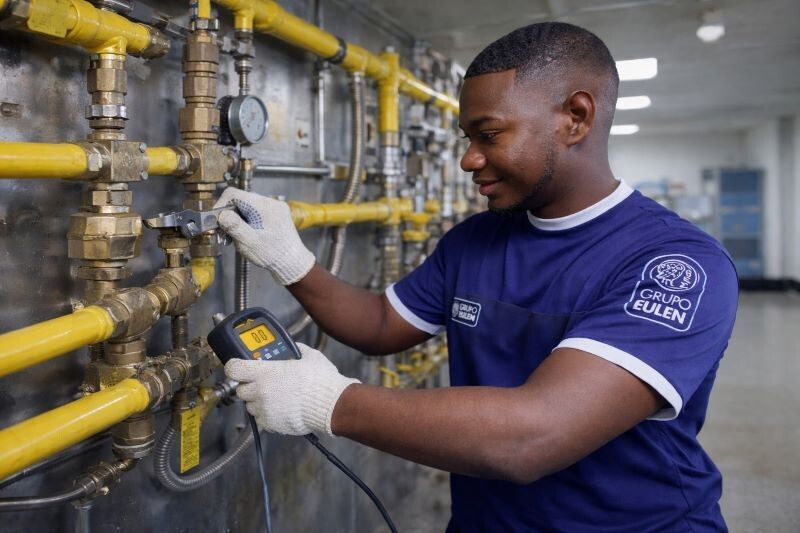
Experts in Panama emphasize the need to transition from simply owning equipment to implementing a maintenance plan with documented evidence and corrective actions. Specialists from Grupo EULEN Panama indicate that the effectiveness of preventive maintenance must focus on validating the entire circuit: from when the sensor detects the gas until the alert reaches the responsible personnel and automatic responses are activated. The Panama Fire Department has identified gas leaks as one of the critical factors in structural incidents, highlighting the urgency of implementing rigorous preventive maintenance in detection systems. Grupo EULEN Panama warns of security risks due to lack of calibration in CO2 detectors. Security experts stress that the simple installation of detectors is insufficient without a verification and calibration program that ensures a response to leaks. According to the expert, an installed detector is unreliable if it lacks calibration or is not properly integrated with the building's alarms and ventilation systems. The most common deficiencies found in inspections are usually not technological, but managerial. These include uncalibrated sensors, inaudible alarms in noisy areas, insufficient signage, and the absence of logs that certify functional tests. «Formal maintenance doesn't just check a panel; it tests scenarios and leaves evidence,» added Pérez, emphasizing that the lack of records exposes organizations to potential emergencies and sanctions. Regulatory compliance and risk management. Panama has a specific legal framework, such as Technical Regulation DGNTI COPANIT 43-2001, which requires the protection of people through the prevention, control, and documentation of chemical substances in work environments. Antonio Pérez, General Manager of Grupo EULEN Panama, stated that the difference between owning a system and having real control lies in constant verification. In high-occupancy public and business environments, a failure in these devices not only puts lives at risk but can also lead to evacuations, temporary closures, and significant damage to reputation and operational costs. Silent risks and common failures. Sectors such as hospitality, health, education, and industrial plants operate in critical areas where the accumulation of gases or CO2 can be imperceptible. In a high-demand operational context, anticipating through risk management is fundamental to ensure business continuity and avoid interruptions that are rarely budgeted for.