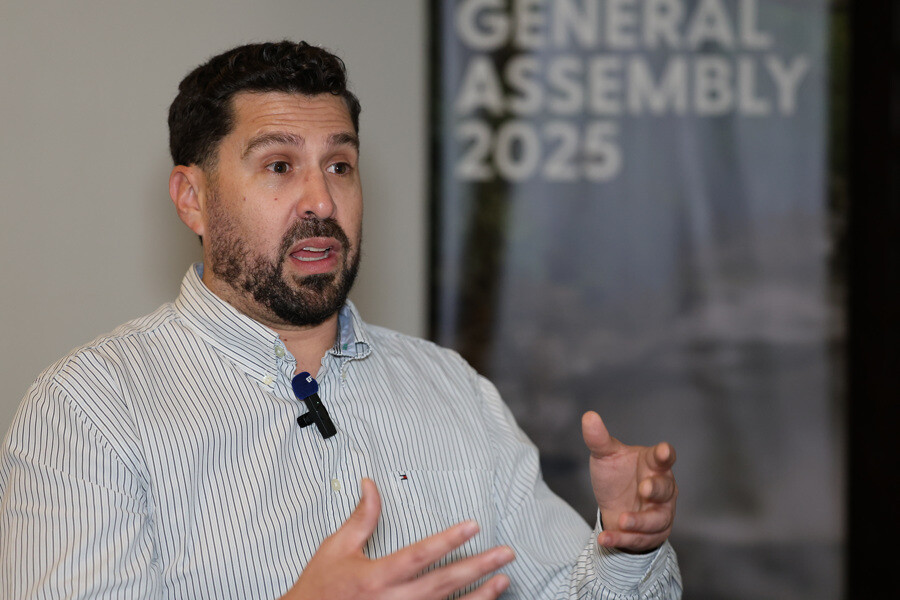
In Latin America, forest areas face issues such as illegal logging and mining, illegal land use changes, and drug production. Panama City, Oct 29 (EFE).- Forest degradation in Latin America is "worse" than 30 years ago due to both urban development and illegal logging or drug trafficking, warned the NGO Forest Stewardship Council (FSC) on Tuesday. The FSC works in the region to certify well-managed forest areas to ensure natural resources for the future and promote responsible consumption. "Now (forest degradation in Latin America) is worse. In general, the risks have only increased," said Rath. The FSC's key tool is forest certification, which sets standards for how forests should be managed sustainably from environmental, social, and economic perspectives. "We have built roads for urban development, entered ecosystems, and this has allowed, for example, for both legal and illegal activities to come in. To date, there are almost 20 million hectares in Latin America, and for next year, they expect to add another 20 million hectares in the region. Additionally, Latin America has '1,500 companies that transform products and allow the consumer to have the option to buy FSC-certified products and care for the forests,' explained Rath, while warning of the need to incorporate more people, governments, and companies into certification. "It is not consumption that ensures conservation," Rath emphasized. The FSC is present in a wide variety of products and sub-products made from wood-based resources (wood, fuel, biomass, cellulose fiber, and rubber) or non-wood resources (cork, resin, chestnuts, pine nuts, honey, fruits, aromatic and medicinal plants, and hunting). However, Rath emphasized that "it is not consumption that ensures conservation" but "the implementation by states, care, having rights over the forests, and having local entities, communities, indigenous peoples, forest companies, among others, that properly manage the forest." In turn, the FSC's director in Canada, Monika Patel, highlighted to EFE that the German NGO began "as a group of concerned citizens, including consumers, who asked: 'Where do my products come from?' or 'How are they made?'." "I think one of the most important people in the world are consumers. They buy products every day. (...) By choosing FSC-certified products, you will know that deforestation has been avoided, that environmental aspects have been considered, and that, for example, indigenous communities have been consulted," he explained. Therefore, "when you see that verification mark and the FSC tree logo," "it gives the consumer the guarantee that they are buying a product made responsibly." During the FSC General Assembly, founded in 1994 and based in Germany, members analyze the state of the world's forests and define the organization's policies and strategies to promote sustainable forest management globally. "The threat is greater (...) Countries and societies in general continue to expand into ecosystems that were almost intact before," said FSC's Latin America director, Peruvian Bruno Rath, to EFE. Rath is in Panama for the FSC General Assembly, which is being held from last Sunday to next Friday under the motto 'United for the Forests.'