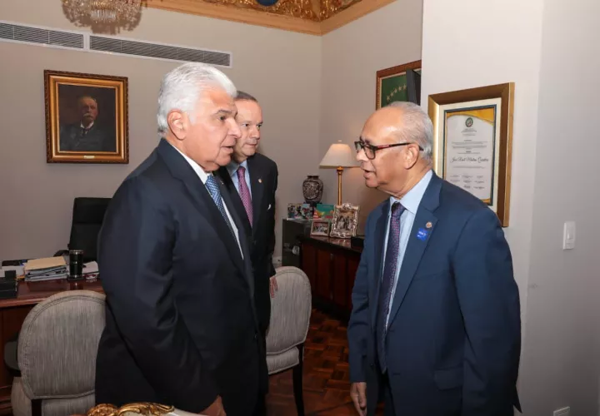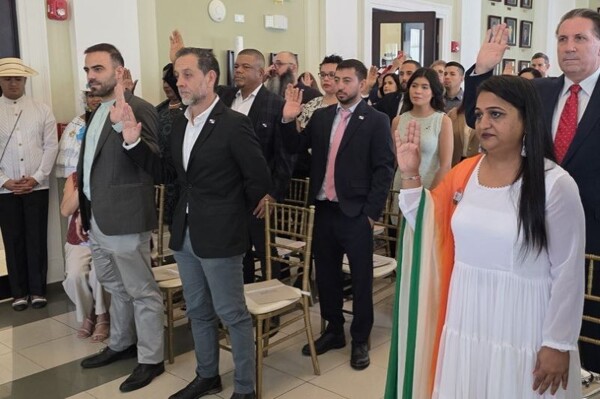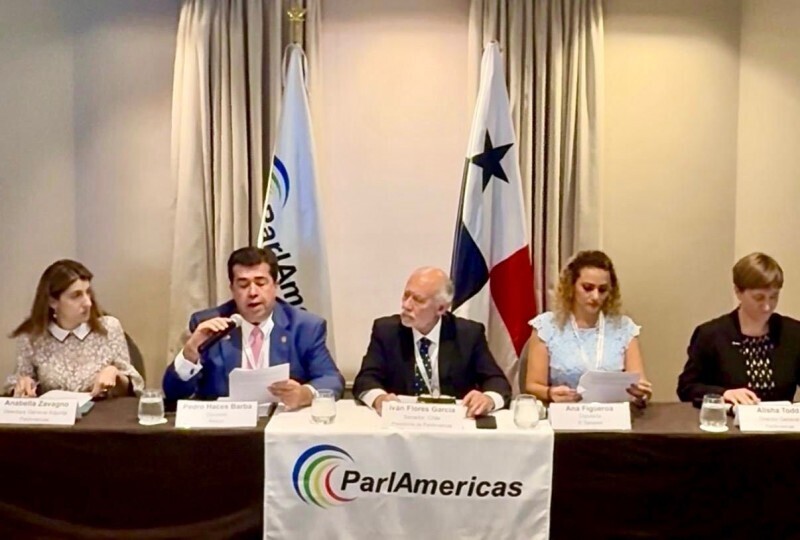
Today in the city of Panama, within the framework of the First Meeting of the Parlamericas Parliamentary Security Network, which includes all countries of the Americas and the Caribbean, the federal deputy and coordinator of Political Operation of the MORENA Parliamentary Group in the Chamber of Deputies, was designated as Vice President of the Parlamericas Security Committee (Association of the Parliaments of the Americas).
The Parlamericas Parliamentary Security Network is a strategic space for interparliamentary cooperation dedicated to promoting comprehensive responses to the main security challenges in the region. The Network will foster the parliamentary exchange of good practices related to accountability and political control on security issues, in addition to strengthening collaboration on matters of common interest.
The Association of the Parliaments of the Americas (Parlamericas) was founded in 2001 with the objective of strengthening democracy, promoting citizen participation, and facilitating the exchange of experiences and good legislative practices in the region; it also encourages the exchange of positive legislative experiences and promotes constructive political cooperation to advance the achievement of the sustainable development goals.
Its headquarters are located in Ottawa, Canada, and the official languages are Spanish, French, English, and Portuguese.
During the two days of work held in Panama, the parliamentarians reached the following conclusions:
-
Promote an open parliament approach in our legislative work on security with the significant participation of the population, civil society organizations, academia, specialists, and especially, of the youth.
-
Promote comprehensive violence prevention strategies that are multisectoral, evidence-based, and based on a human rights approach, with special attention to the elimination of violence against women, girls, boys, and youth in all their diversity and that address related vulnerabilities, such as human trafficking, and the recruitment of children and young people by criminal organizations.
-
Identify opportunities to develop coordinated regional strategies that allow facing and eradicating the changing dynamics of crime, illicit economies, and emerging threats posed by transnational organized crime through the implementation of relevant inter-American and international instruments, and the harmonization of legal frameworks between jurisdictions.
-
Facilitate a more effective political dialogue on the world problem of drugs, to strengthen cooperation and the exchange of good practices oriented towards comprehensive and evidence-based public policy solutions, that prioritize prevention, treatment, rehabilitation, and social reintegration, within a framework of common and shared responsibility and full respect for human rights.
-
Promote normative frameworks oriented towards the protection of human rights defenders, environmental defenders, and journalists, who face alarming levels of threats, harassment, and violence directly linked to the role they play in denouncing illicit activities, defending territories and natural resources, and overseeing power.
-
Address the accelerated digital technological changes regarding their manifestations of risk and insecurity through the modernization of normative and institutional frameworks to safeguard rights in digital environments and counter emerging threats such as cybercrime, the misuse of digital technologies, and risks to critical infrastructure.