Panama strengthens its conservation agenda through population censuses and the creation of the first specialized center for the rehabilitation of wild cats.
In the framework of the celebration of National Day of Wild Cats every first Saturday of March, Panama reaffirms its commitment to protecting the six species that inhabit its territory: jaguar, puma, ocelot, jaguarundi, oncilla, and tigrillo. Ricardo Moreno, president of Yaguará Panamá Foundation, highlighted that the conservation model is more effective when it integrates rural and cattle communities in areas such as Darién, Chepo, and Coclé.
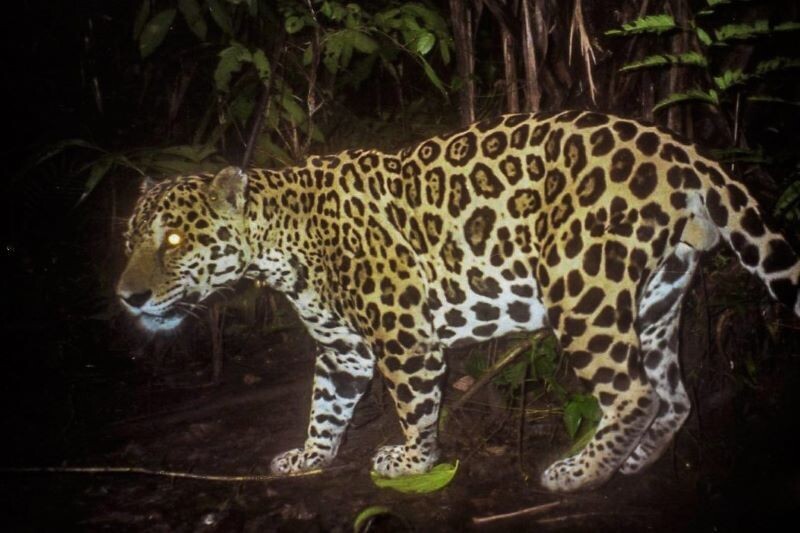
As part of the GEF 7 Jaguares Panamá project, the first phase of the National Jaguar Census was carried out, using 794 camera traps in Chagres and Darién National Parks. The technical team also manages reports of damage in productive areas to foster harmonious coexistence.
Advances in scientific research Conservation is based on precise data obtained through alliances between MiAMBIENTE, the Yaguará Panamá Foundation, and UN Environment. For 2026, the second phase of the census in the country's central-western region is scheduled to begin with the support of the Water, Protected Areas, and Wildlife Trust Fund (FAPVS).
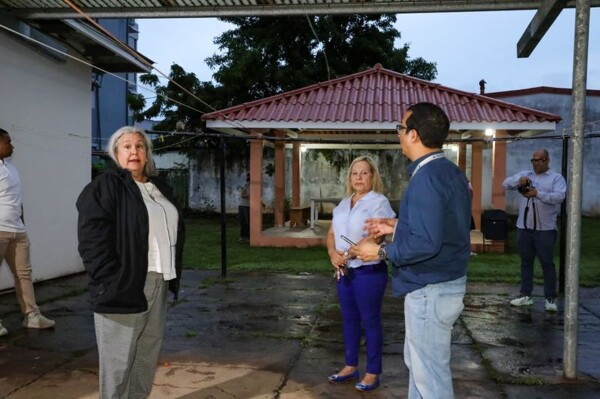
The future of conservation in Panama Erick Núñez, head of the Biodiversity Department of MiAMBIENTE, stated that the national agenda includes strengthening the National System of Protected Areas and promoting sustainable cattle ranching practices. According to Trejos, in recent months, five jaguarundis, seven ocelots, three tigrillos, one puma cub, and one jaguar, the latter of which died after being hit by a car, have been treated. Lissette Trejos, a veterinarian at the Wildlife Clinic of the Ministry of Environment (MiAMBIENTE), reported that this space provides care to specimens affected by anthropic activities and to orphaned cubs.
Preliminary results estimate a population of 270 jaguars in the 38% of the national territory studied. These specimens act as essential natural regulators for ecosystem health; however, all face threats derived from habitat fragmentation, prey reduction, and human pressure in their traditional displacement areas.
Challenges of coexistence and veterinary care Interaction between wildlife and human activities has intensified due to the loss of ecological connectivity.