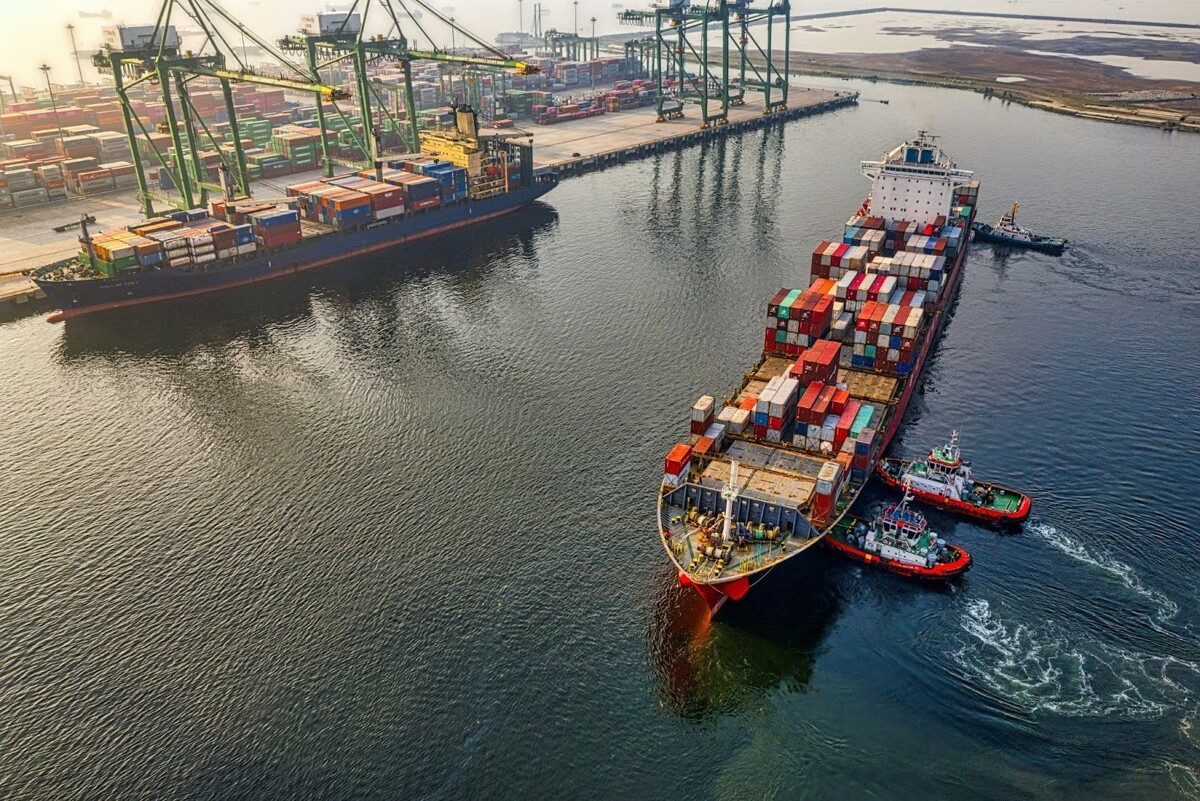
Worldwide container delivery functions as a synchronized system governed by regulations, technology, and human expertise. Many observers imagine a simple port-to-port journey, yet the reality resembles a multi-layered logistical architecture shaped by regulations, yard management, and inland transport chains. The process begins when a client requests a specific unit size and service type through a broker, leasing company, or global container supplier. The supplier checks available stock across multiple depots, evaluates the container's condition, and schedules a release date. Once the container is assigned, a trucking company retrieves the unit from the depot. Critical Port Workflow Factors: Planners design arrangements that maintain ship stability and fuel efficiency. Yard density influences re-handling frequency. Weather conditions affect crane performance. Ocean Transit: Ocean transit represents the most visible stage of container delivery, yet it is governed by highly structured safety, routing, and timing rules. Ship officers monitor container stacks continually. They evaluate lashings, weight distribution, and weather impact. Inland Transportation: Inland transport creates the critical connection between the shipper's facility and the port of departure. This segment involves trucking, rail, and occasionally barge systems depending on geographic characteristics and trade route structures. Road Networks: Trucking remains the dominant inland transport method for container movement. Drivers adhere to axle weight regulations, hazardous goods restrictions, and mandatory parking protocols. Rail Integration: Rail infrastructure supports high-volume cargo movement across long distances. Intermodal terminals transfer containers between trucks and trains with specialized cranes. Port Operations: Once the container reaches the port, the delivery process enters a technologically intensive stage. Ports depend on cranes, automated yard systems, and complex scheduling software to maintain efficient flow across thousands of daily moves. Pre-Loading Inspections: A container must pass clearance checks before entering the stacking yard. Port staff confirm the container's identification number, seal status, and structural condition. Any discrepancy can extend clearance times and increase storage charges for the shipper. Yard Management: Ports organize containers according to vessel assignment, weight class, and loading sequence. Yard cranes transfer units between stacks and loading platforms. Ocean Movement Essentials: Routing choices respond to weather shifts: Carriers adjust courses to avoid high-risk regions and maintain predictable arrival times. Stacking height affects container stress levels: High stacks experience greater wind pressure that influences lashing requirements. Transit time varies by vessel class: Different engine capacities and hull designs affect speed across long distances. What Happens Upon Arrival: Container delivery continues once the vessel reaches its destination port. The unloading process follows the ship's stowage plan in reverse, ensuring efficient removal without compromising vessel stability. Customs authorities conduct document verification, focusing on declared cargo type, origin, and compliance with trade regulations. The distribution pattern affects structural balance, which determines how the container behaves during stacking and vessel movement. These regulations protect roadway infrastructure and reduce the risk of container shift during transport. The Journey Begins: Container delivery starts long before a vessel leaves port. The initial stage of the process frequently begins with container acquisition. Exporters preparing the container must ensure proper cargo distribution. These evaluations protect the ship from excessive roll and minimize the risk of container loss during storms.