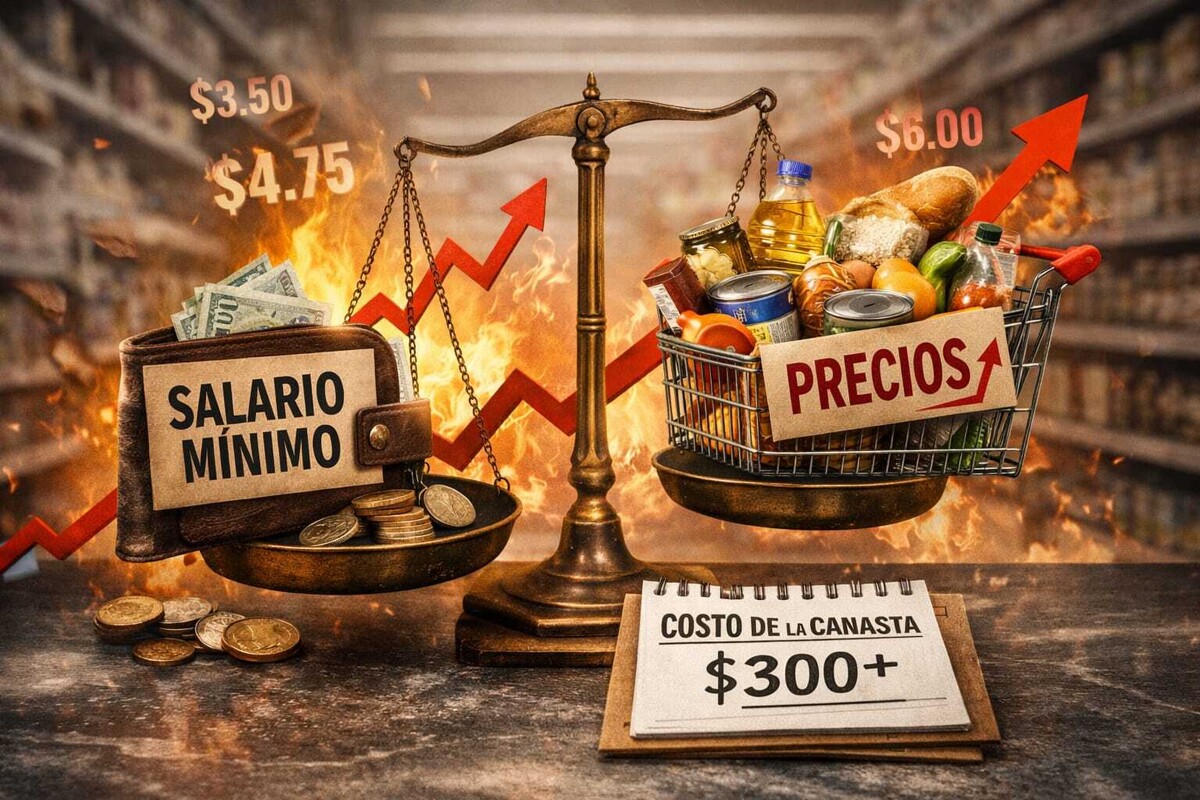
The recent minimum wage increase in Panama, which took effect on January 15, 2026, has not yet brought relief to most Panamanian households. The adjustment, averaging between $9 and $15 monthly depending on the sector and region, seems small compared to the actual cost of living, while prices begin to show anticipatory movements, especially in processed products. The average minimum wage in Panama is currently around $636 per month, but purchasing power remains conditioned by the behavior of the basic basket. Experts explain that the initial price increase is not due to real costs but to speculation. The president of the Panamanian Institute of Consumer and User Rights (Ipadecu), Geovanny Fletcher, stated that there is no strong impact on consumption yet. However, he warned of a 'silent movement' that could become a problem if not controlled. The first products to reflect increases are not fresh foods but industrialized ones. In a country that imports so much, transportation, packaging, energy, and service costs are added to the final price. Every fluctuation in fuel, electricity, or packaging ends up being reflected in the price of rice, bread, or oil. Both leaders agree that the state must provide support, but consumers must also become more strategic. The final message is clear: the wage increase alone does not solve the problem if the market gets ahead with silent adjustments.