Far from being a passive actor, Panama has the capacity to articulate a pragmatic, balanced diplomacy focused on defending its national interests. In conclusion, the tension between Panama and China, intensified by external pressures associated with Trump's policy, constitutes a crucial test for Panamanian diplomacy. The country's ability to maintain a sovereign, balanced, and development-oriented foreign policy will be decisive for its proper positioning on the global stage.
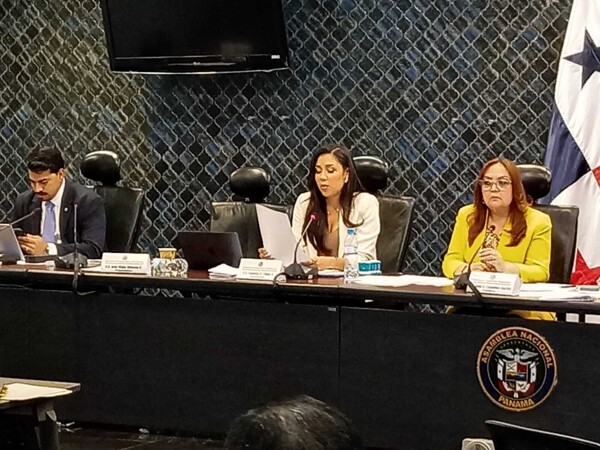
(Photo: INFO E&N)
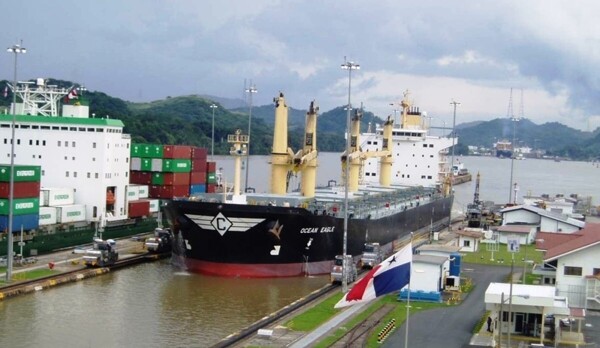
The recent tension between Panama and the People's Republic of China, attributed in part to pressure exerted by Donald Trump and sectors aligned with his strategic approach, highlights the complex dynamics of global power in the 21st century. Due to its privileged geographical position and control of the Interoceanic Canal, Panama represents an essential mode of international trade and a point of critical interest for the great powers. In this context, any reconfiguration of its foreign relations acquires a geopolitical dimension that transcends the national sphere.
Since the establishment of diplomatic relations between Panama and China, this country has deepened bilateral cooperation in areas such as trade, investment, infrastructure, and financing. Panama, given its logistical, financial, and symbolic relevance, becomes a key scenario in that dispute between world powers. This situation poses significant dilemmas for Panamanian foreign policy. On the other hand, it faces the need to manage its historical relationship with the United States, a fundamental partner in terms of trade, security, and political influence. The challenge lies in preserving decision-making autonomy without deteriorating strategic ties or compromising economic stability.
The possible internal repercussions of a diplomatic conflict with China are relevant. This rapprochement has generated opportunities for economic diversification and the modernization of strategic sectors, but it has also raised concerns in the United States, which has historically been influential in the region and is attentive to the security and stability of the isthmus. The foreign policy promoted by Trump was characterized by a confrontational stance towards China's rise, perceived as a direct competitor in the economic, technological, and geostrategic spheres. Simultaneously, an excessively subordinate alignment to U.S. interests could fuel questioning about the sovereignty and independence of Panamanian foreign policy.
On a broader scale, this scenario reflects the transition towards an increasingly multipolar international order, in which Latin America is once again becoming a space of strategic competition among great powers. Under this logic, Washington has sought to limit the expansion of Chinese influence in Latin America through diplomatic and strategic pressures directed at allied governments. On the one hand, the country aspires to consolidate a strategy of diversifying international alliances that allows it to strengthen its economic development and expand its maneuverability within the international system. A distancing from Beijing could affect investment flows, infrastructure projects, as well as commercial opportunities with direct impacts on economic growth and employment.