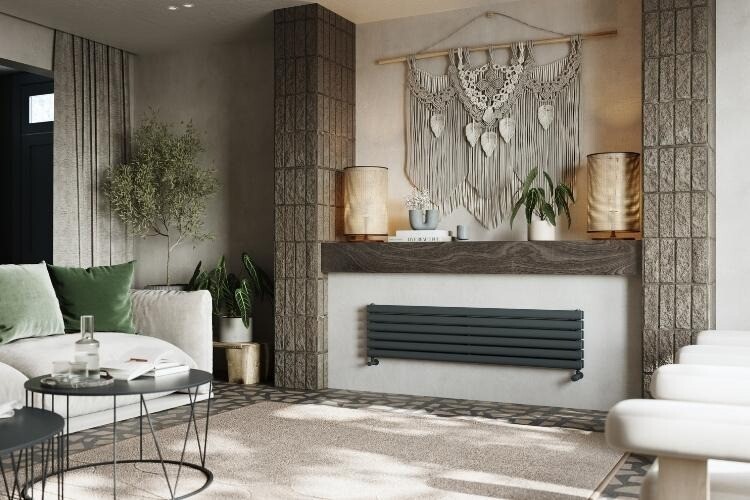
Strengthening structural elements, improving drainage, updating climate control systems, and investing in storm readiness all contribute to long-term resilience. For property owners, the goal is to respond to the next weather event while creating homes that remain stable and comfortable over time. Consulting with insurance providers helps clarify what’s protected and whether additional safeguards are advisable. Property owners who approach climate adaptation as a continuous process rather than a reactive measure are better positioned to protect both comfort and value. Looking ahead, preparing homes for changing weather patterns requires foresight and practical action. Even in regions traditionally known for consistent climates, fluctuations are becoming more common. Adapting to changing weather patterns is about comfort, resilience, long-term value, and responsible property management. Proper insulation stabilizes indoor conditions, reduces strain on climate systems, and lowers energy use over time. Improving Drainage and Water Management Periods of intense rainfall can overwhelm drainage systems, leading to water intrusion and structural damage. From structural upgrades to smarter climate control systems, there are practical measures that help homes remain efficient and livable regardless of what the forecast brings. Rethinking Heating and Cooling Systems As temperature variability increases, so does the need for adaptable indoor climate control. As climate variability continues to influence real estate decisions worldwide, thoughtful upgrades become part of responsible ownership. Investing in Storm Preparedness Storm resilience is no longer optional in many parts of the world. Across the globe, property owners are noticing shifts in weather patterns that affect how homes function year-round. For property managers overseeing multiple units, establishing a storm response plan ensures tenants know what steps to take before and after severe weather events. Preparation doesn’t eliminate risk entirely, but it reduces vulnerability and shortens recovery time. Designing for Long-Term Efficiency Beyond immediate upgrades, long-term resilience depends on thoughtful design decisions. Reinforcing roof fastenings and ensuring proper drainage helps protect the structure beneath. Windows and doors are another common vulnerability. Instead of heating an entire property, electric radiators can be used in targeted zones to maintain comfort on cooler evenings without excessive consumption. Strengthening the Building Envelope The first line of defense against changing weather is the building envelope—the walls, roof, windows, and doors that separate indoor and outdoor environments. When the weather becomes more unpredictable, weaknesses in this outer layer become more apparent. Start with a roof inspection: look for loose tiles, damaged flashing, or areas where water could pool. Even if you own a primary residence, a rental property, or an investment portfolio, taking proactive steps today can prevent costly repairs tomorrow. Brief temperature drops can still affect comfort and property appeal, particularly for international buyers accustomed to climate-controlled interiors. In rental markets, climate resilience can become a differentiator. Tenants increasingly seek homes that are comfortable and well-equipped for extreme weather. High winds, tropical systems, and sudden downpours can damage even well-built properties. Securing outdoor elements is a practical starting point. Anchor patio furniture, reinforce fencing, and inspect exterior fixtures for stability. Loose objects can become hazards during strong winds. If your property is located in a low-lying area, consider installing additional drainage channels or French drains to redirect excess water. Landscaping also influences water flow. Sloping soil gently away from the home helps prevent foundation issues. Strategic planting can stabilize soil while reducing erosion during heavy storms. For landlords and property managers, documenting drainage improvements can also strengthen tenant confidence. This documentation may prove useful when reviewing insurance coverage or filing claims after weather-related incidents. Upgrading to well-sealed frames or adding weather stripping is a relatively simple improvement that yields noticeable results. Drafts, leaks, and poor sealing reduce energy efficiency and make interior spaces uncomfortable during temperature swings. Insulation also plays a critical role. Many property owners focus on cooling in warmer climates, but insulation is equally important for managing interior temperatures during sudden cool periods. When renovating or building new properties, consider materials that are moisture-resistant, heat-insulating, and low-maintenance. Durable exterior finishes withstand humidity and heavy rainfall. While the initial investment may seem significant, preventing shattered glass and interior water damage can save considerable expense over time. Light-colored roofing materials can reflect sunlight in hotter climates, reducing indoor temperatures. Cross-ventilation design improves airflow, which is especially useful in tropical regions. Heating considerations shouldn’t be overlooked simply because a region is typically warm. Modern electric heating solutions provide flexibility in spaces where installing traditional central systems may not be practical. These systems are particularly useful for renovations, extensions, or rooms that require independent temperature control. Flexible systems also allow homeowners to manage energy use more precisely. Many homes rely on aging systems designed for predictable seasonal changes. When the weather becomes less consistent, those systems may struggle to keep up. Surge protectors and backup power solutions help maintain essential services during outages. Electrical systems should also be evaluated. Even minor issues can escalate during heavy rainfall or high winds. Planning for Maintenance and Insurance Adaptation is not a one-time project. Schedule regular inspections for roofing, drainage, and mechanical systems. Ongoing maintenance ensures that improvements remain effective as weather patterns continue to evolve. Insurance policies should also be reviewed periodically. As risks change, coverage needs may shift. Keep records of upgrades and repairs. Ensure that water flows away from the foundation rather than pooling near walls. Hotter dry seasons, unexpected cold snaps, prolonged rainfall, and stronger storms are no longer isolated events. Demonstrating that a property has been upgraded thoughtfully signals responsible ownership. Companies such as UK Radiators focus on contemporary electric options that combine functionality with streamlined design. If you’re a property owner, visit ukradiators.com for a range of electric radiator styles that demonstrate how heating can be both efficient and visually integrated into modern interiors.