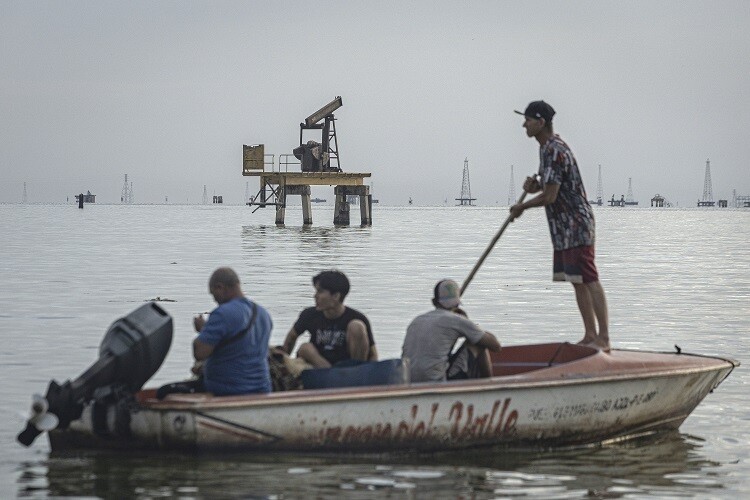
The rise in oil prices due to the conflict in the Middle East is having a mixed impact on Latin American economies, creating both opportunities and risks for the region. Oil exporters such as Venezuela, Colombia, and Ecuador are poised to benefit significantly from the increase in global prices. In Venezuela, which reached a seven-year high in production last year, further revenue growth is expected. Colombia, where oil was the main export product in 2025, also anticipates an increase in revenue. A similar situation is unfolding in Ecuador, where the state-owned company Petroecuador notes that the rising oil prices could boost export earnings. However, for importing countries like Chile, the situation is more complex. Chile's Central Bank vice president stated that it is too early to draw conclusions, but volatility in the exchange rate and the Santiago Stock Exchange is already being observed. The country uses a fuel price stabilization mechanism (Mepco) designed to cushion the immediate impact of international variations on consumers. In smaller, more fuel-dependent economies, the potential impact could be more severe. In Honduras, the association of petroleum product distributors has warned that the rising cost of crude could cause a "severe economic impact" by increasing transportation, electricity, and numerous goods and services. In Paraguay, which is entirely dependent on imported oil, business leaders expect the conflict to lead to higher fuel prices. In Guatemala, fuel supply is guaranteed and there are no direct economic consequences yet, though slight gasoline price increases have been recorded. In Brazil, Finance Minister Fernando Haddad downplayed the potential effects, noting the country has massive dollar reserves, no external debt, and is self-sufficient in crude. Nevertheless, uncertainty could delay the interest rate cuts the central bank planned to initiate this month, while the São Paulo Stock Exchange has seen strong fluctuations and the real has depreciated against the dollar in recent days. In Mexico, the escalation of the conflict has translated into pressure on the exchange rate and falls in the Mexican Stock Exchange. According to an analysis by the financial group Banamex, the direct impact of the conflict on the oil supply would be limited in the short term, as Mexico does not depend on Iranian oil or routes like the Strait of Hormuz. However, it warns that a prolonged war could cause financial volatility and price increases.